How to Select the Best Industrial Storage Tank for Chemical Storage Applications
Introduction
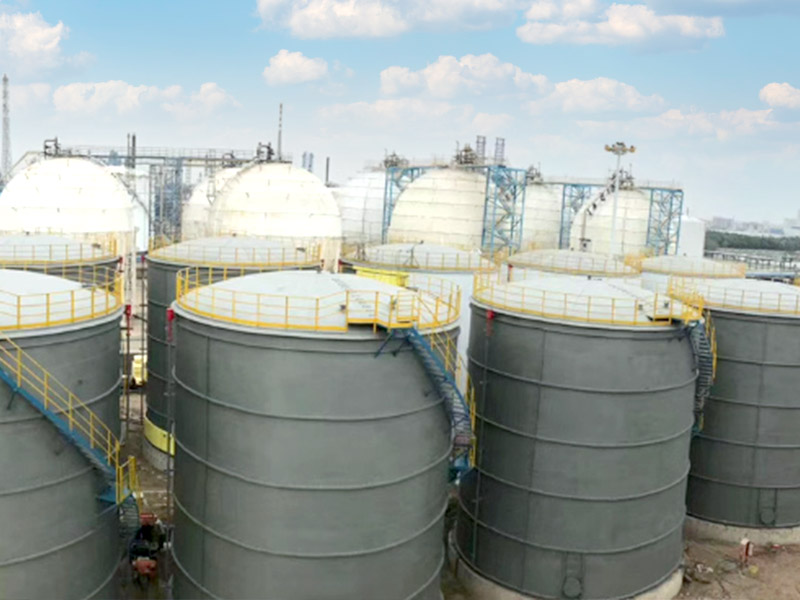
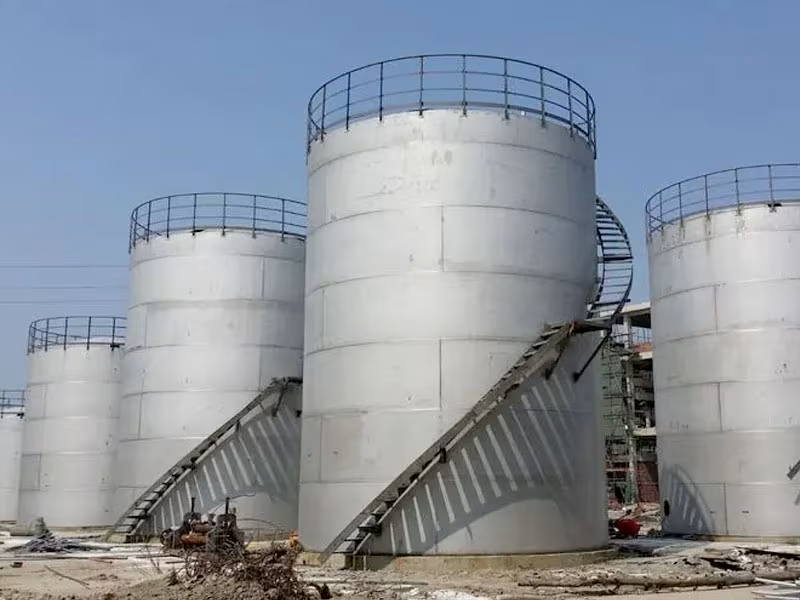
An industrial storage tank is a critical piece of equipment widely used in chemical plants, manufacturing facilities, petrochemical industries, and water treatment systems. It is designed to safely store liquids, chemicals, solvents, and other industrial fluids under controlled conditions.
From a manufacturing perspective, industrial storage tanks must meet strict requirements in terms of structural strength, corrosion resistance, and operational safety. As a professional industrial storage tank manufacturer, we focus on delivering engineered solutions that meet real industrial demands rather than just standard products.
Chemical storage applications are particularly demanding because many substances are corrosive, volatile, or sensitive to temperature changes. This makes proper tank selection essential for both safety and operational efficiency.
Key Requirements for Chemical Storage Tank Selection
Choosing the right industrial storage tank requires a detailed understanding of process conditions and chemical properties.
Key factors include:
- Chemical compatibility with storage materials
- Temperature and pressure resistance
- Leakage prevention and sealing performance
- Compliance with industrial safety standards
- Long-term durability and maintenance requirements
A proper selection reduces operational risks and ensures stable performance over time, especially in high-risk chemical environments.
Common Types of Industrial Storage Tanks for Chemical Use
Different industrial applications require different tank structures. The most commonly used types include:
- Stainless steel storage tanks
- Carbon steel chemical storage tanks
- Double-wall storage tanks
- Vertical storage tanks
- Horizontal storage tanks
Each design serves specific operational needs depending on space, chemical type, and pressure conditions.
Industrial Storage Tank Materials and Their Performance
Material selection directly affects tank performance and service life.
| Material Type | Corrosion Resistance | Cost Level | Application Suitability |
|---|---|---|---|
| Stainless Steel | High | Medium–High | Food, pharmaceutical, chemical storage |
| Carbon Steel | Medium (with coating) | Low–Medium | Oil, fuel, general industrial use |
| Alloy Steel | Very High | High | Highly corrosive chemical environments |
Stainless steel is often preferred for chemical storage due to its strong corrosion resistance and hygienic properties. However, carbon steel tanks remain widely used when cost efficiency and structural strength are priorities.
Coating and lining technologies are also commonly applied to improve chemical resistance and extend tank lifespan.
Capacity and Design Considerations in Storage Tanks
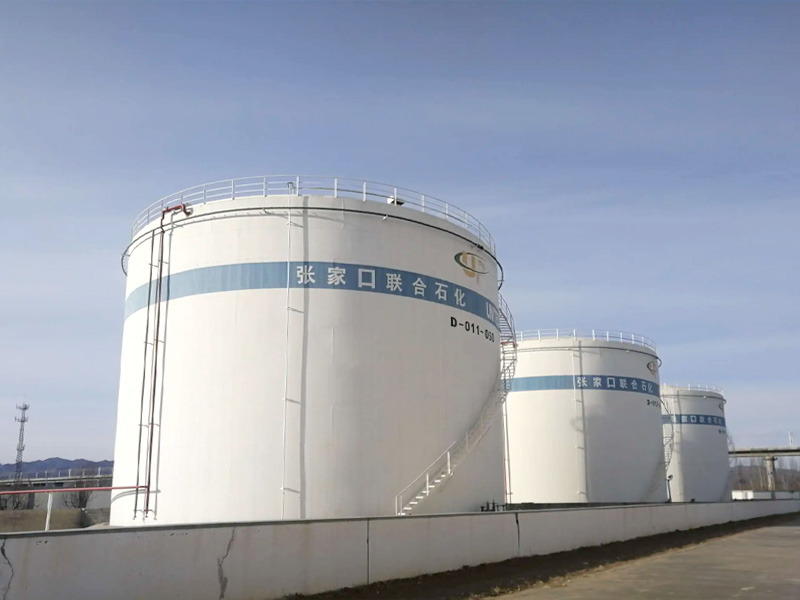
Storage tanks are not one-size-fits-all solutions. Capacity and design must be carefully engineered based on application requirements.
Important design factors include:
- Standard and custom tank capacities
- Wall thickness and structural reinforcement
- Pressure rating and load-bearing design
- Above-ground vs underground installation
- Space optimization for industrial sites
Many industries now prefer custom storage tanks to achieve better integration with their production systems.
Safety Standards and Industry Regulations for Chemical Storage Tanks
Safety is one of the most important considerations in chemical storage systems. Industrial storage tanks must comply with international standards such as ISO and ASME to ensure reliability and safety.
Key safety features include:
- Explosion-proof design structures
- Leak detection and prevention systems
- Pressure relief valves
- Spill containment systems
- Environmental protection compliance
Meeting regulatory requirements is not optional—it is essential for long-term operational safety and environmental responsibility.
How Manufacturing Quality Impacts Industrial Storage Tank Performance
As a direct industrial storage tank manufacturer, we understand that production quality determines performance far more than design alone.
Critical manufacturing factors include:
- Precision welding technology
- Strict quality control inspection
- Pressure and leak testing before delivery
- Surface treatment and anti-corrosion processing
High-quality manufacturing ensures longer service life, lower maintenance costs, and safer operation in demanding environments.
Custom Industrial Storage Tank Solutions from Manufacturers
Modern industries increasingly require customized solutions rather than standard products.
Manufacturers can provide:
- OEM and ODM design services
- Chemical-specific storage solutions
- Engineering consultation and technical support
- Custom dimensions and configurations
- Integrated system design for industrial plants
Custom manufacturing allows better adaptation to complex industrial processes, improving both efficiency and safety.
Cost Factors of Industrial Storage Tanks for Chemical Applications
The cost of an industrial storage tank depends on multiple variables.
Main cost drivers include:
- Material selection (stainless steel vs carbon steel)
- Tank capacity and structural complexity
- Custom engineering requirements
- Safety features and compliance standards
- Order volume and factory-direct pricing
Factory-direct sourcing from a manufacturer often provides better cost control and technical support compared to trading companies.
Maintenance and Lifecycle Management of Industrial Storage Tanks
Proper maintenance ensures long-term reliability and reduces operational risks.
Key maintenance practices include:
- Regular inspection of tank walls and joints
- Corrosion monitoring and surface treatment
- Valve and sealing system checks
- Cleaning and residue removal
- Pressure system testing
With proper maintenance, storage tanks can maintain stable performance for many years.
Choosing a Reliable Industrial Storage Tank Manufacturer
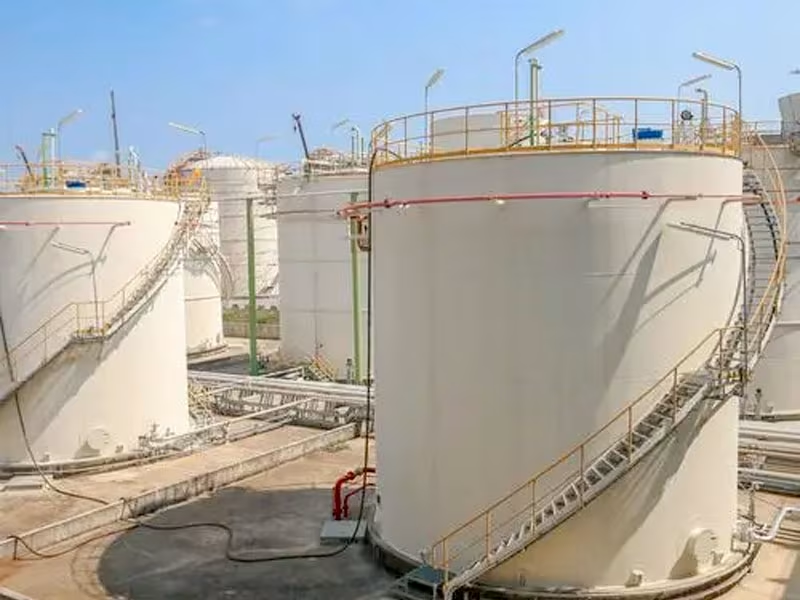
Selecting the right supplier is as important as selecting the tank itself.
A reliable manufacturer should offer:
- Proven engineering and production capability
- Industry certifications and quality standards
- Custom design and technical support
- Export experience and global project references
- Transparent communication and after-sales service
Working directly with a qualified manufacturer ensures better quality control and more efficient project execution.
Application Industries for Chemical Storage Tanks
Industrial storage tanks are widely used across multiple industries, including:
- Petrochemical and oil & gas industries
- Pharmaceutical production facilities
- Food and beverage processing plants
- Water treatment and environmental engineering
- Industrial manufacturing and processing plants
Each industry requires specific tank configurations tailored to its operational conditions.
Why Factory-Direct Storage Tanks Offer Better Value
Purchasing directly from a manufacturer provides several advantages:
- Lower overall procurement cost
- Direct communication with engineering teams
- Faster customization and production cycles
- Better quality control throughout manufacturing
- Technical support during installation and operation
This direct model ensures higher efficiency and better long-term value for industrial buyers.
Common Mistakes to Avoid When Selecting Industrial Storage Tanks
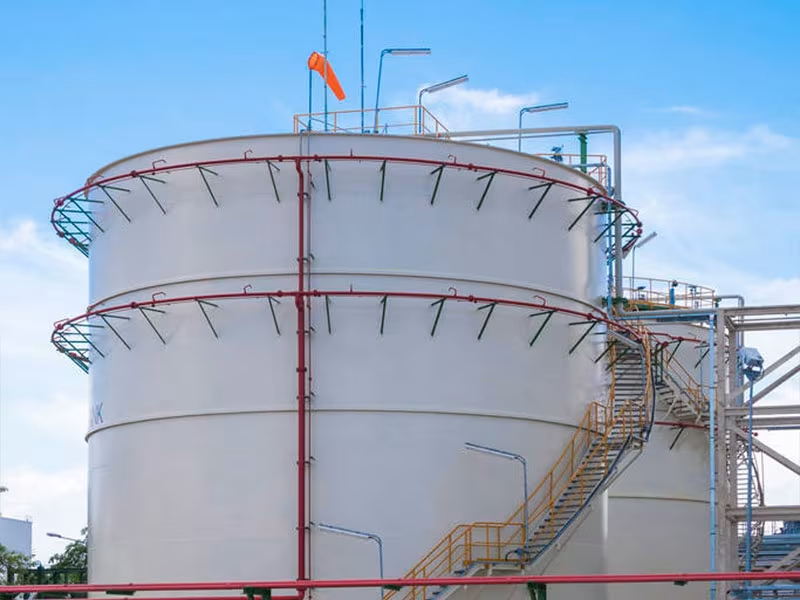
Many buyers make avoidable mistakes during procurement:
- Choosing incorrect material for chemical compatibility
- Ignoring safety certification requirements
- Underestimating long-term maintenance costs
- Selecting non-customized standard solutions for complex needs
- Overlooking installation and operational conditions
Avoiding these mistakes helps ensure safer and more cost-effective operations.
Conclusion
Selecting the right industrial storage tank for chemical storage applications is a critical engineering decision that directly affects safety, efficiency, and long-term operational stability.
From material selection and structural design to compliance standards and manufacturing quality, every detail plays an important role in system performance.
As a professional industrial storage tank manufacturer, we focus on delivering high-quality, custom-engineered storage solutions that meet the demands of modern industries. Our goal is not only to provide reliable equipment but also to support customers with technical expertise, cost-effective solutions, and long-term service value.
For industrial buyers seeking safe, durable, and efficient chemical storage systems, working directly with an experienced manufacturer remains the most effective approach to achieving both performance and economic benefits.
FAQ
What is an industrial storage tank used for in chemical applications?
An industrial storage tank is used to safely store chemicals, liquids, and industrial fluids under controlled conditions in manufacturing, petrochemical, and processing industries.
What materials are best for industrial storage tanks for chemicals?
Stainless steel is commonly preferred due to its strong corrosion resistance. Carbon steel with protective coatings is also used for less aggressive chemical environments.
How do I choose the right industrial storage tank for chemical storage?
Selection depends on chemical compatibility, temperature and pressure requirements, tank capacity, safety standards, and installation environment.
Are custom storage tanks available from manufacturers?
Yes. Many storage tank manufacturers offer custom design services based on capacity, material, structure, and specific chemical storage requirements.
What industries commonly use industrial storage tanks for chemicals?
They are widely used in petrochemical plants, pharmaceuticals, water treatment facilities, food processing, and general industrial manufacturing.
Continue reading

Shandong No.7 Construction Engineering Co., Ltd. is a large-scale modern construction enterprise integrating R&D, design, production, construction and general contracting of steel structures, with business covering both domestic and international markets.