Light Gauge Steel Trusses Explained: Benefits, Applications, and Design Basics
Light gauge steel trusses have become a cornerstone in modern construction, offering a compelling alternative to traditional building methods. As the structural truss market continues its trajectory toward USD 8.91 billion by 2030, understanding these systems has become essential for architects, engineers, and developers alike.
Introduction
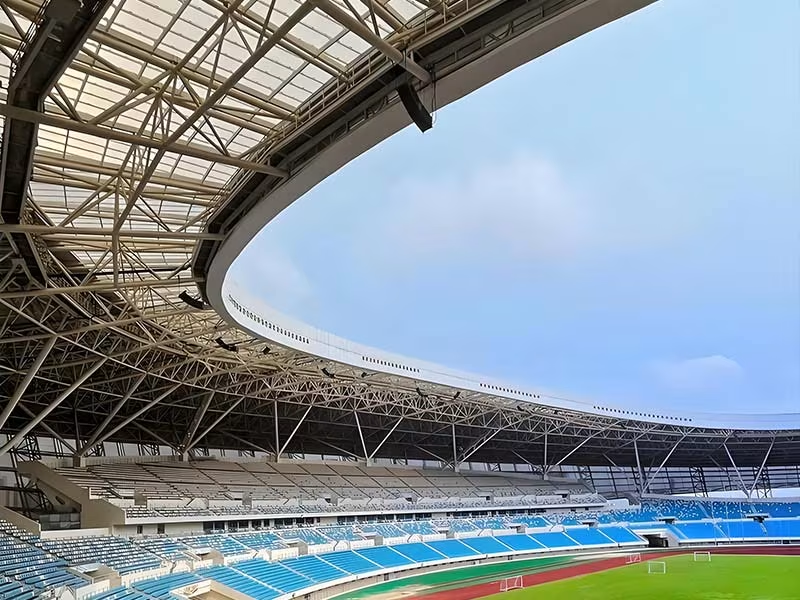
The construction industry is undergoing a quiet revolution in how buildings are designed and assembled. Light gauge steel framing systems—once considered a niche solution—have moved firmly into the mainstream. Cold-formed steel trusses now appear in everything from residential rooftops to large-scale commercial complexes.
Why the shift? Projects using traditional wood framing face mounting challenges: warping, termite damage, inconsistent quality, and increasingly volatile lumber prices. Heavy steel alternatives, while strong, often prove overengineered for many applications and demand specialized labor for installation.
Market demand tells the story. Light gauge steel framing alone represents a USD 35.78 billion global market, with prefabrication accounting for nearly 30% of frame production in the US as of 2023. Steel truss manufacturers have responded by scaling production capabilities and tightening quality standards, making these systems more accessible than ever.
What Are Light Gauge Steel Trusses? (Definition and Structure)
Light gauge steel trusses are structural frameworks made from cold-formed steel (CFS) sections, typically manufactured from sheet steel ranging from 18 to 10 gauge thickness. These trusses serve as the load-bearing skeleton for roofs and floors in residential, commercial, and industrial buildings.
The basic anatomy includes three key components:
- Chords: The horizontal or sloped members forming the top and bottom of the truss
- Webs: Diagonal and vertical members connecting the chords
- Connectors: Plates, screws, or welds that join members together
Cold-formed steel differs significantly from conventional hot-rolled steel. CFS sections are shaped at room temperature, which increases yield strength to approximately 50 ksi compared to traditional structural steel. This process also allows for complex cross-sectional shapes optimized for specific load requirements.
The engineering behind these systems focuses on efficient load distribution. Every member, every connection point gets calculated for stress tolerance—nothing wasted, nothing overlooked.
Light Gauge Steel Trusses Manufacturing Process (Factory Insight)
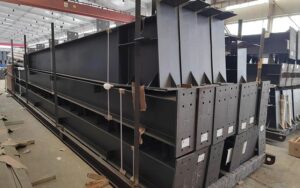
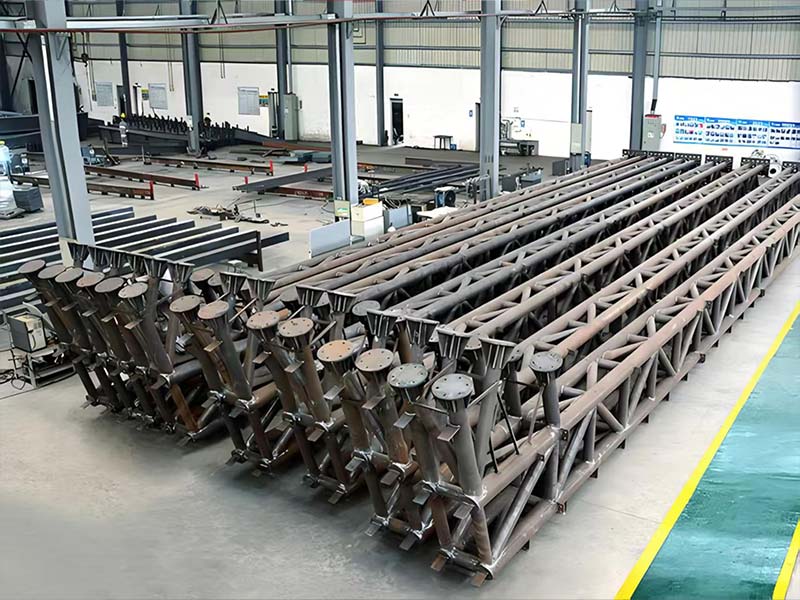
Factory production of cold-formed steel trusses combines precision engineering with controlled manufacturing environments. Understanding this process helps buyers appreciate why factory-direct sourcing matters.
Steel coil selection starts the chain. Manufacturers choose galvanized steel coils based on thickness, coating weight, and yield strength specifications. Material traceability ensures consistency from project to project.
Cold-forming shapes flat steel into structural profiles through a series of roll-forming machines. Each pass bends the steel incrementally until it reaches the target shape—channels, angles, or custom profiles. This process maintains tight dimensional tolerances measured in fractions of millimeters.
Fastening methods vary by design requirements. Screw fastening dominates in CFS construction because it allows field adjustments and provides ductile connections. Welded joints appear in high-load areas or where permanent, rigid connections are specified.
Galvanization protects against corrosion. Hot-dip galvanizing coats the steel with zinc, creating a barrier that sacrifices itself to protect the underlying steel. Most structural applications use G90 coating weight for exterior exposure.
Quality control runs throughout production. Dimensions get verified, connection points get inspected, and material certifications get documented. Manufacturers following AISI (American Iron and Steel Institute) standards maintain traceability that job-site fabrication simply cannot match.
Factory-direct production eliminates the markup that distributors add, delivering cost efficiency without sacrificing quality.
Key Advantages of Light Gauge Steel Trusses
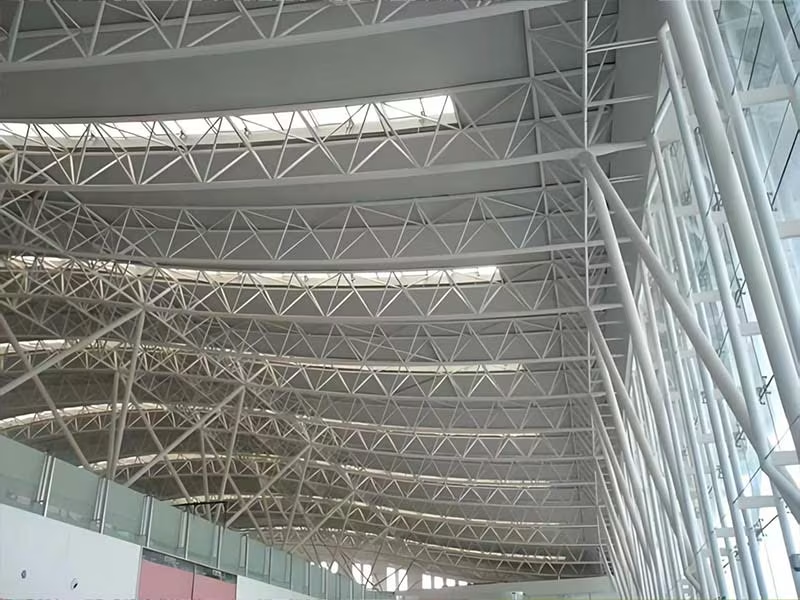
Construction professionals choose light gauge steel trusses for reasons that go beyond simple strength. These systems solve real problems encountered on job sites daily.
Strength-to-weight ratio stands out immediately. Steel trusses approximately 40% lighter than equivalent timber trusses while maintaining—or exceeding—structural capacity. This reduction translates directly into easier handling and reduced foundation loads.
Installation speed impresses everyone who experiences it. Prefabricated steel roof trusses arrive ready to install, eliminating on-site cutting, drilling, and waste. A crew that spends days assembling wood framing can often complete the same structure in hours with CFS.
Fire resistance provides critical safety advantages. Steel does not burn, warp, or contribute fuel to a fire. Buildings using galvanized steel trusses gain fire ratings that wood simply cannot match without expensive chemical treatments.
Dimensional accuracy eliminates the frustrating surprises common with wood. Steel does not shrink, twist, or cup. Once installed, CFS trusses stay exactly where engineers positioned them, ensuring roof planes remain flat and doors continue to hang properly.
Service life extends across generations when properly specified. Galvanized steel trusses in normal environments routinely exceed 50 years of service, often matching or exceeding the buildings they support.
Sustainability aligns with green building goals. Cold-formed steel contains approximately 25% recycled steel content and is 100% recyclable at end of life—a closed loop that wood framing cannot approach.
Structural Design and Engineering Considerations
Effective CFS truss design balances multiple factors simultaneously. Engineers approach each project with specific performance requirements in mind.
Load analysis determines what the structure must support: dead loads from roofing materials, live loads from occupancy, environmental loads from wind and snow, and seismic forces based on location. These values drive member sizing and configuration.
Span capabilities in modern CFS trusses extend well beyond what many assume. Optimized designs can achieve spans of 60 feet or more, opening possibilities for column-free interiors in commercial spaces. Longer spans typically require deeper truss sections or specialized configurations like parallel chord trusses.
Connection detailing requires careful attention. The weakest point in any structure often occurs at joints. Engineers specify plate thickness, screw patterns, and welding procedures that transfer forces predictably through the system.
Wind and seismic performance gets validated through building code compliance. CFS trusses resist lateral loads through continuous load paths from roof to foundation. Diaphragm action in roof sheathing, combined with shear walls, creates the complete lateral force resisting system.
CAD and BIM integration streamlines the design-to-fabrication pipeline. BIM adoption in steel framing rose 12% in 2023 as more firms recognized coordination benefits. Models generated in architectural software flow directly to fabrication equipment, reducing errors and speeding delivery.
Applications of Light Gauge Steel Trusses in Construction Projects
The versatility of cold-formed steel trusses supports applications across nearly every building type.
Residential roofing remains the largest application sector. Trussed rafters provide attic space for storage or mechanical equipment while supporting asphalt shingles, metal roofing, or tile. Home builders appreciate the consistency that eliminates callbacks for sagging roofs or sticking doors.
Commercial buildings benefit from longer spans that create open floor plans. Shopping centers, office buildings, and retail spaces use CFS trusses to minimize interior columns and maximize usable space. The speed of installation keeps projects on schedule and under budget.
Industrial warehouses and logistics centers rely on the combination of long spans and high load capacity. Steel roof trusses handle equipment loads, HVAC systems, and the inevitable accumulation of fixtures that warehouses accumulate over time.
Prefabricated and modular housing has found an ideal structural partner in CFS. Factory-built walls and trusses assemble quickly on-site while maintaining quality control impossible in weather-exposed stick-building. This sector continues growing as housing demands intensify.
Agricultural facilities including barns, equipment storage, and processing buildings use CFS trusses for durability in harsh environments. Corrosion resistance proves valuable in barns with high moisture and ammonia levels.
Multi-story structures push the boundaries of light gauge steel framing. Residential apartments, hotels, and office buildings utilize CFS for floor joists, roof trusses, and load-bearing walls in a complete building envelope.
Light Gauge Steel Trusses vs Traditional Roofing Systems
Choosing between framing systems requires understanding how they actually compare—not marketing claims, but measurable differences that affect projects.
| Factor | Light Gauge Steel Trusses | Wood Trusses | Heavy Steel Trusses |
|---|---|---|---|
| Weight | ~40% lighter than timber | Standard | Heaviest option |
| Span Capability | Up to 60+ feet | Limited by timber lengths | Unlimited |
| Installation Speed | Fastest (prefabricated) | Moderate | Slowest (specialized labor) |
| Fire Resistance | Non-combustible | Burns unless treated | Non-combustible |
| Corrosion Resistance | Excellent (galvanized) | Vulnerable to rot/insects | Requires coating |
| Dimensional Stability | No shrinkage/warping | Prone to movement | Stable |
| Maintenance | Minimal | Regular inspections | Periodic coating |
| Lifespan | 50+ years | 20-40 years typical | 50+ years |
| Recyclability | 100% recyclable | Limited | 100% recyclable |
| Labor Requirements | Standard construction crew | Standard crew | Specialized welders |
The lifecycle cost picture becomes clear when examined honestly. Wood trusses require ongoing maintenance, eventual replacement, and constant vigilance against moisture and pests. Heavy steel demands specialized installation and periodic repainting. Light gauge steel trusses arrive, install, and largely disappear from the maintenance concern list.
Developers shifting to CFS consistently report satisfaction with the decision. The initial material cost premium over wood often disappears through faster construction, reduced labor, and elimination of callbacks.
How to Choose a Reliable Light Gauge Steel Trusses Manufacturer
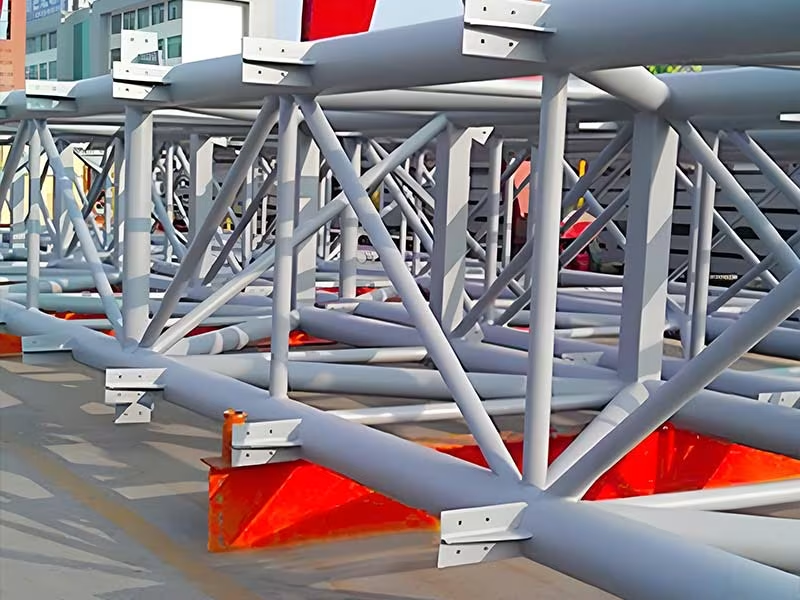
Sourcing decisions impact project outcomes more than most buyers realize. The difference between a capable supplier and an unsuitable one determines whether your project proceeds smoothly or becomes a source of costly delays.
Factory-direct sourcing should be your baseline requirement. Intermediaries add cost and reduce accountability. When you work directly with steel truss manufacturers, you get engineering support, quality documentation, and responsive communication that distributors simply cannot provide.
Certifications matter. Look for manufacturers following AISI standards, AWS welding codes, and relevant building code requirements. Third-party inspections provide independent verification of quality claims.
Production capacity determines whether a supplier can meet your timeline. Ask about lead times, current backlog, and equipment capabilities. Some manufacturers cannot handle peak-period orders without extending schedules significantly.
Engineering support separates commodity sellers from true partners. Manufacturers with in-house engineering teams can optimize designs, suggest cost-saving modifications, and solve problems before they reach the job site.
Export experience matters for projects outside the supplier's home market. International projects involve documentation, packaging, and logistics complexity that domestic orders do not. Manufacturers accustomed to global supply chains navigate these requirements smoothly.
Pricing transparency should be standard. Detailed quotes showing material costs, fabrication charges, and logistics help you evaluate offers fairly. Be suspicious of prices that seem too low—they often indicate quality shortcuts or hidden charges.
Cost Factors of Light Gauge Steel Trusses
Understanding what drives pricing helps buyers make informed decisions and avoid budget surprises.
Raw material costs fluctuate based on steel commodity markets and zinc coating prices. Quotes typically remain valid for 30-60 days before adjustment becomes necessary. Global steel pricing has stabilized after recent volatility, but market conditions continue influencing final costs.
Design complexity directly affects fabrication expense. Simple gable trusses with standard configurations benefit from efficient production runs. Complex rooflines, unusual angles, or non-standard loading requirements increase engineering time and fabrication difficulty.
Corrosion protection levels vary by application. Standard G90 galvanizing suffices for most exterior applications. Harsh environments—coastal areas, industrial locations, agricultural facilities—may warrant G115 or G150 coatings for extended service life.
Project size influences unit pricing significantly. Smaller orders cannot achieve the economies of scale that large projects enjoy. Minimum order quantities often apply for specialized configurations.
Customization requirements add cost. Custom connection plates, special hole patterns, or unique assembly sequences require additional engineering and manufacturing attention that standard products do not.
Logistics and packaging represent substantial line items, particularly for international shipments. Weather-resistant packaging, container loading optimization, and shipping method selection all affect delivered cost. Experienced manufacturers package for ocean transit, inland transport, and job-site handling requirements.
Installation and Construction Best Practices
Proper installation maximizes the performance advantages that CFS trusses provide. Attention to fundamental practices prevents common problems.
Assembly process follows a logical sequence. Workers place trusses according to layout drawings, brace them temporarily, then install permanent bracing and sheathing. Following manufacturer instructions ensures connections perform as designed.
Safety standards during steel erection require standard construction safety equipment: fall protection, hard hats, and appropriate footwear. Steel trusses do not present unique hazards beyond typical roofing work, but proper procedures remain essential.
Tools needed are straightforward: screw guns with appropriate bits, lifting equipment sized for truss weights, measuring tapes, and levels. Most contractors already own the equipment required—no special tooling investment necessary.
Common mistakes to avoid include removing temporary bracing too early, under-tightening screws (a frequent issue), and failing to install permanent bracing before loading trusses with sheathing. These errors cause squeaks, deflection, and in extreme cases, structural failure.
Time efficiency compared to conventional systems typically saves 20-40% on framing installation. The exact savings depends on project complexity, crew experience, and weather conditions.
Sustainability and Green Building Benefits
Building green has moved from aspiration to expectation. Cold-formed steel trusses contribute meaningfully to environmental performance across multiple metrics.
Recyclability creates a closed material loop. Steel remains the world's most recycled material, and CFS trusses retain value at end of life. Demolition generates scrap steel that re-enters manufacturing without quality loss—a true cradle-to-cradle material.
Construction waste reduction impresses anyone who has managed a wood-frame job site. Prefabricated trusses arrive cut to specification, eliminating the scrap pile of cut-offs and damaged lumber that wood projects generate. Less waste means lower disposal costs and smaller environmental footprint.
Energy efficiency integration works naturally with CFS. Steel does not conduct thermal energy as readily as aluminum, and thermal breaks in roof assemblies reduce heat transfer effectively. The resulting buildings perform better in heating and cooling seasons.
Green certification support comes built-in. Projects targeting LEED, BREEAM, or other rating systems accumulate points for using steel's recycled content, regional materials, and construction waste diversion. Documentation from manufacturers simplifies the certification process.
Long-term environmental impact favors steel across building lifecycles. No chemical treatments require renewal, no framing requires replacement, and eventual demolition generates recyclable materials rather than landfill-bound waste.
Why Choose Us as Your Light Gauge Steel Trusses Manufacturer
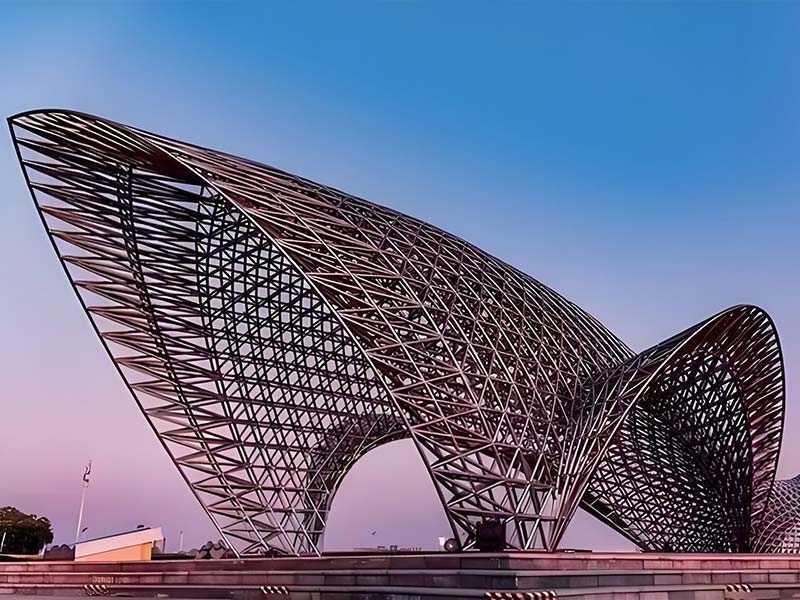
Selecting the right supplier shapes project outcomes. Our approach combines manufacturing capability with genuine partnership.
Factory-direct production means you work with the people making your trusses, not a sales intermediary. Direct communication accelerates decisions and ensures your requirements reach production floor personnel accurately.
Custom engineering handles projects beyond standard configurations. Our engineering team optimizes designs for specific loading conditions, unusual geometries, and performance requirements that commodity products cannot address.
Quality control systems catch problems before shipment. Every production run receives dimensional verification, connection inspection, and documentation review. You receive complete traceability from raw material to delivered product.
Competitive pricing for bulk orders reflects our scale capabilities. Larger projects benefit from optimized production runs and consolidated shipping—savings we pass through to customers.
Global export experience serves international projects without requiring separate logistics coordination. We handle documentation, packaging for ocean transport, and international shipping requirements daily.
OEM capability supports private labeling and custom branding for distributors and builders seeking differentiated product offerings.
FAQ
Q1: What is the lifespan of light gauge steel trusses?
A properly installed and maintained CFS truss system typically exceeds 50 years of service life. Galvanized corrosion protection maintains structural integrity for decades in normal environments.
Q2: Are light gauge steel trusses suitable for large-span buildings?
Yes. Modern CFS trusses can be engineered for medium to large-span applications, with optimized designs achieving 60 feet or more. Longer spans may require deeper sections or specialized configurations.
Q3: Can they be customized for different architectural designs?
Absolutely. Manufacturers design trusses based on project-specific CAD and BIM specifications. Complex rooflines, vaulted ceilings, and non-standard angles all accommodate custom fabrication.
Q4: Are they more cost-effective than traditional steel systems?
In most cases, yes. The combination of reduced labor costs, faster installation, and minimal maintenance often results in lower lifecycle costs despite potentially higher initial material expenses.
Q5: Do they require special maintenance?
Minimal maintenance is needed. The galvanized coating provides long-term corrosion protection without additional treatment. Periodic inspections for accidental damage suffice in normal service conditions.
Continue reading
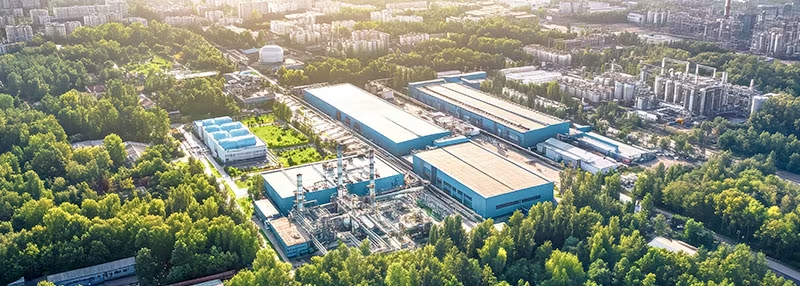
Shandong No.7 Construction Engineering Co., Ltd. is a large-scale modern construction enterprise integrating R&D, design, production, construction and general contracting of steel structures, with business covering both domestic and international markets.