Storage Tank
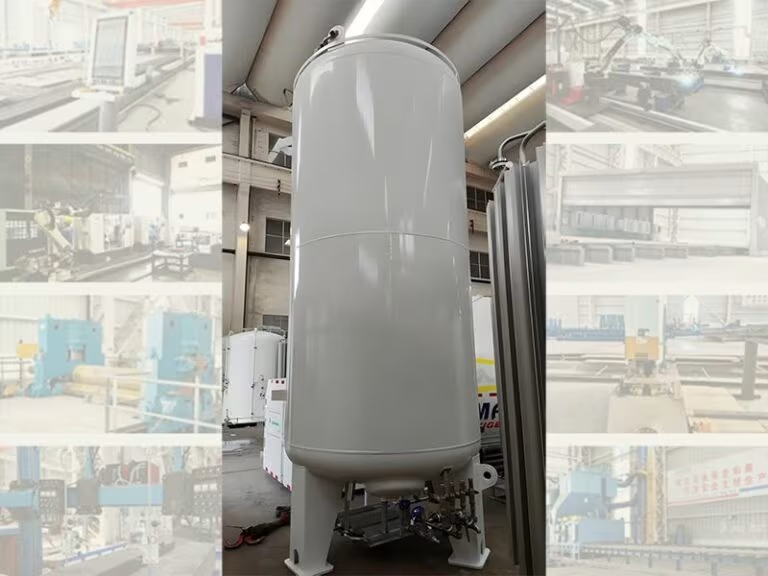
Storage Tank
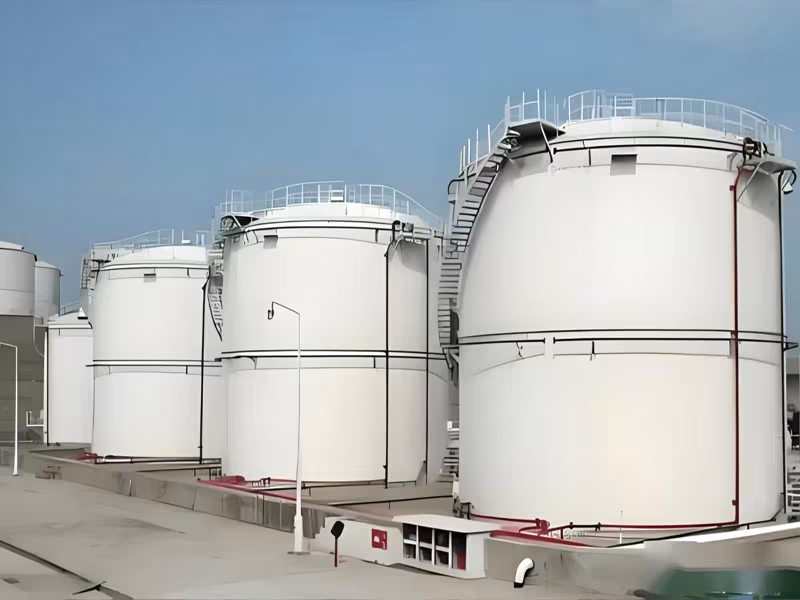
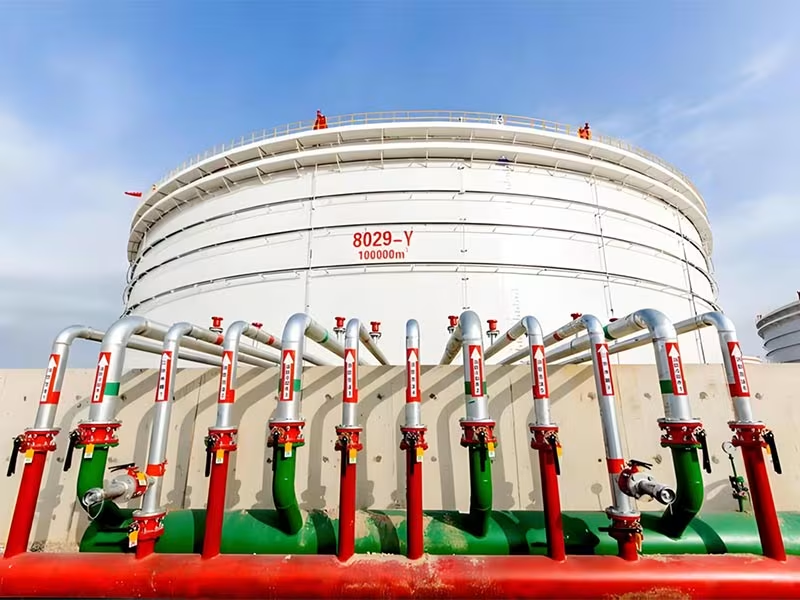
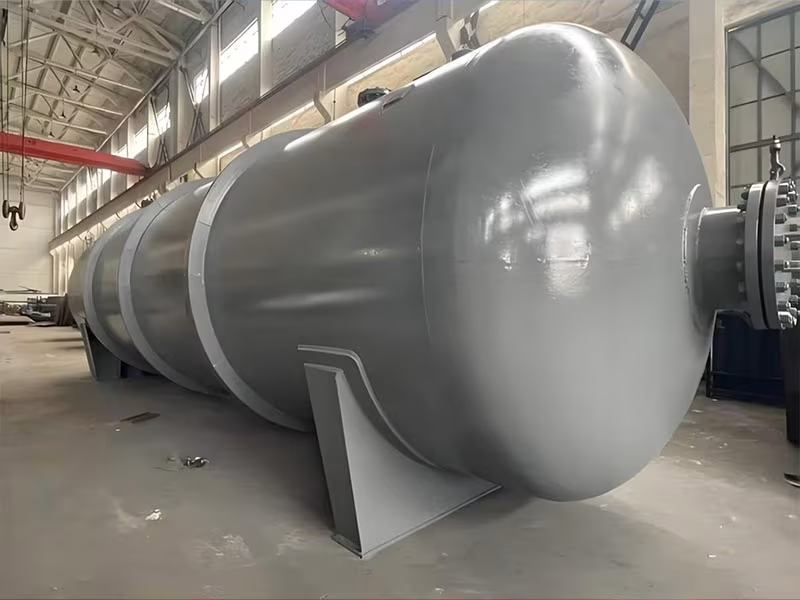
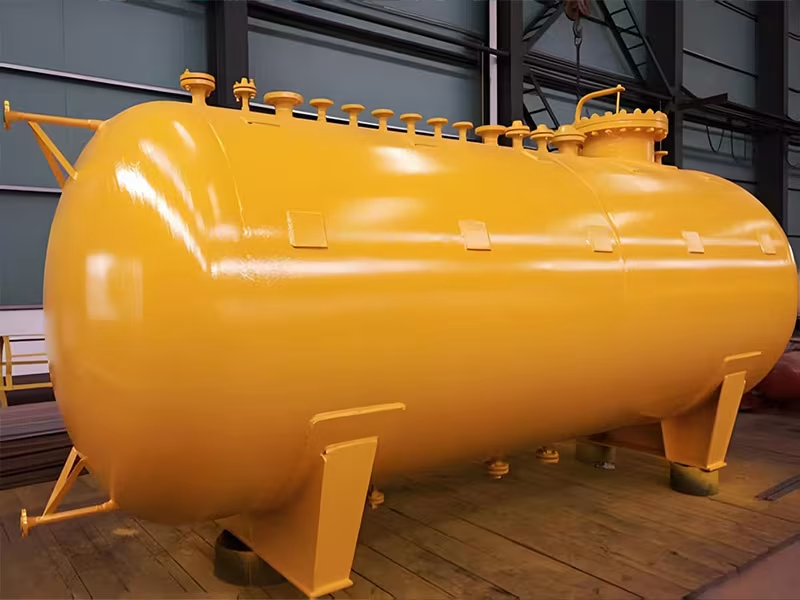
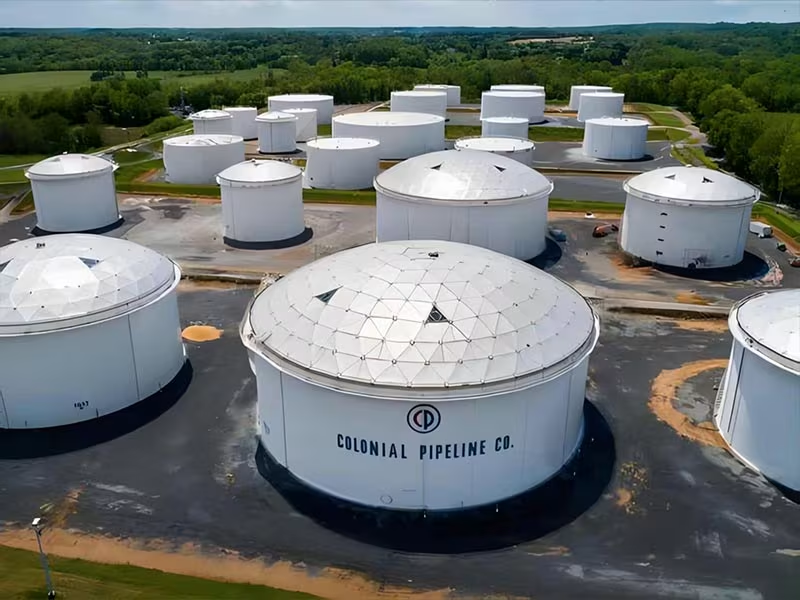
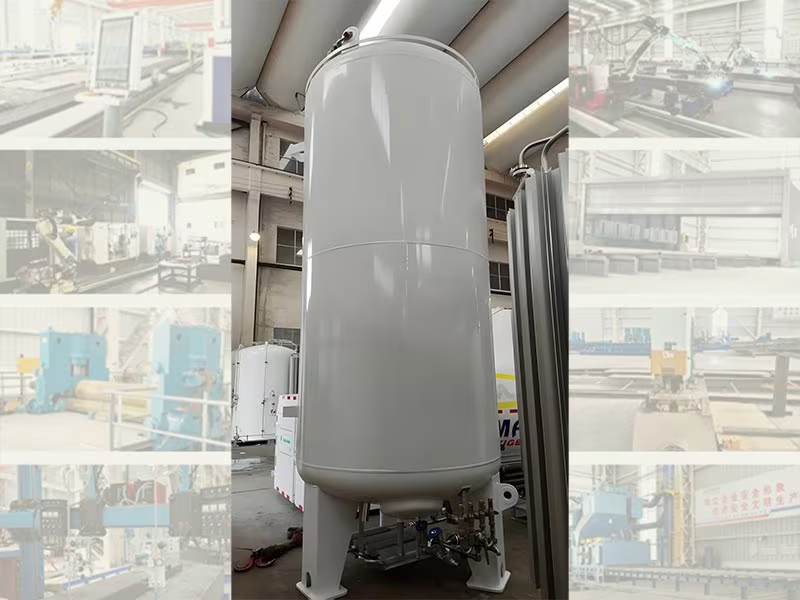
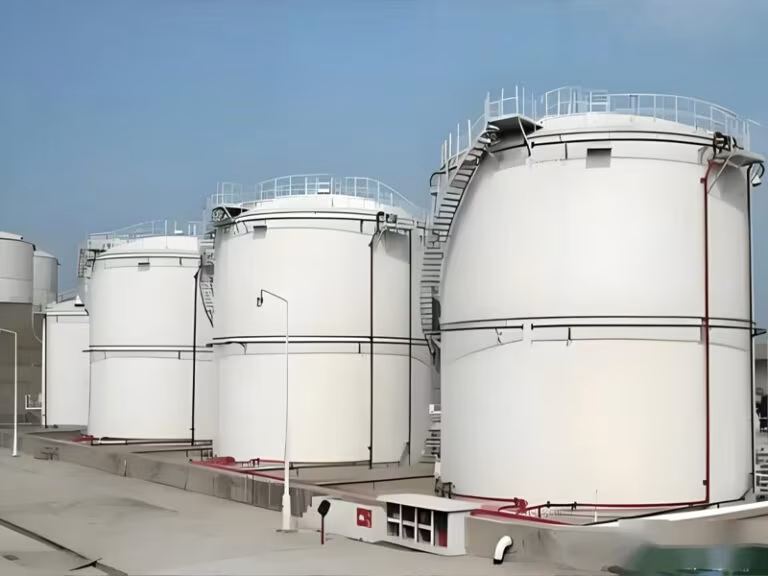
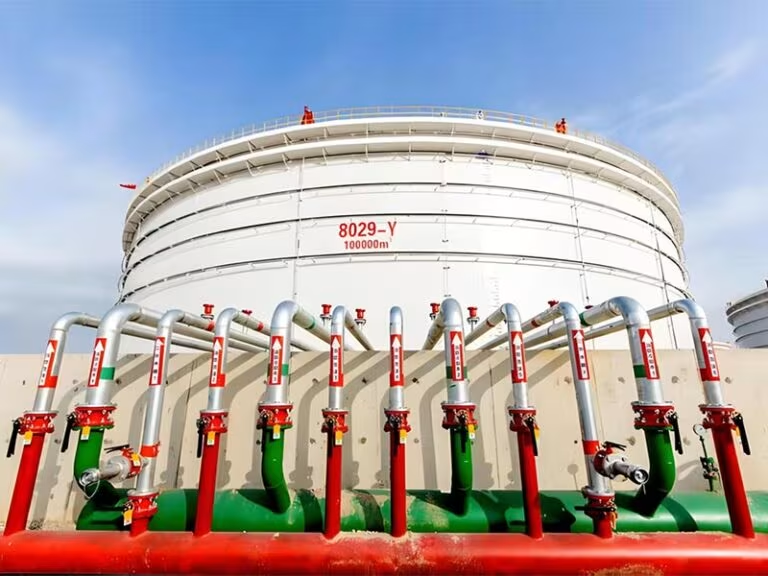
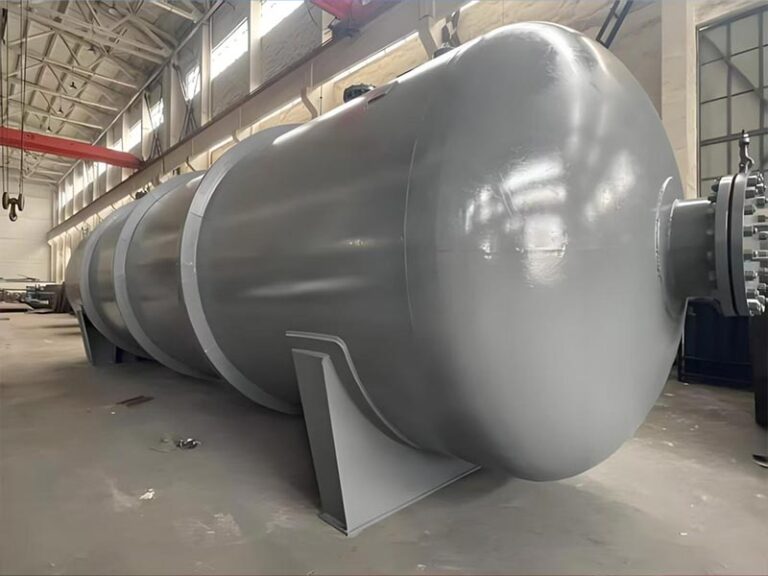
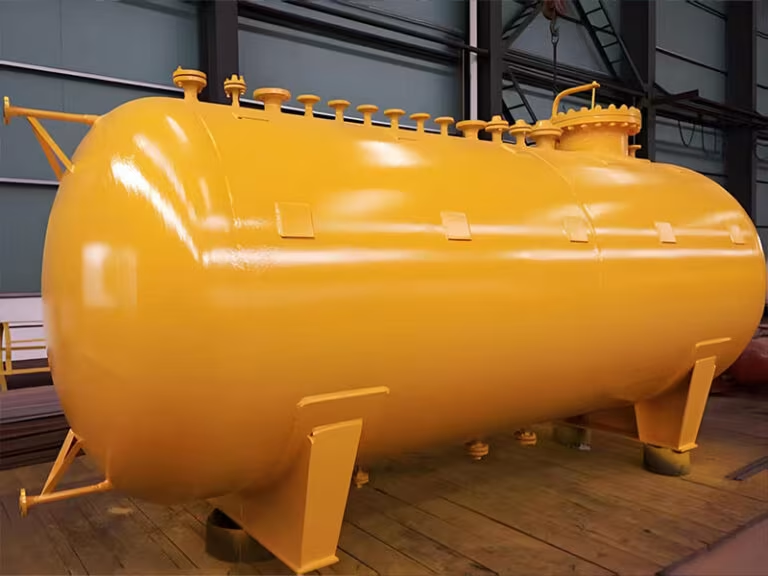
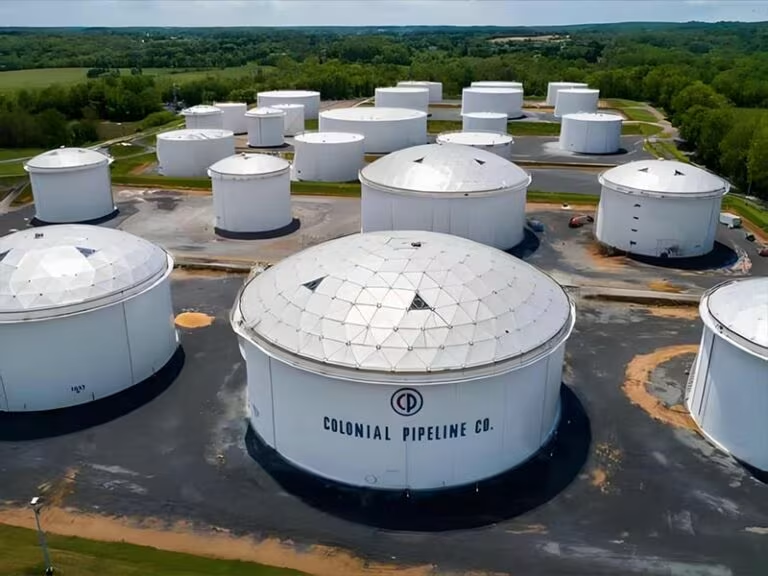
Vertical and horizontal tanks for oil, chemical, water and grain storage. Available in fixed roof, floating roof and dome variants. Full design, fabrication and corrosion protection service.
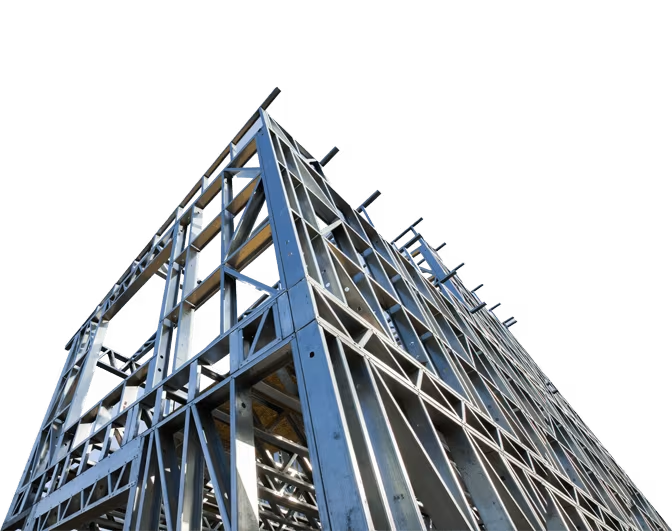
Product Categories: grid frame
Storage Tank Product Description
Storage tanks are sealed container equipment used for long-term or temporary storage of liquids, gases, slurries, and some solid materials in industrial and civilian fields. They often serve as storage, buffering, and blending units in the production chain. Their design and manufacture must comply with national/industry standards for pressure vessels/atmospheric pressure storage tanks (such as GB 50341, API 650, GB 150). They are characterized by high strength, good sealing, resistance to medium corrosion, and stable operation, and are widely used in industries such as petrochemicals, food and pharmaceuticals, environmental water treatment, energy, and agriculture.
Production Technology
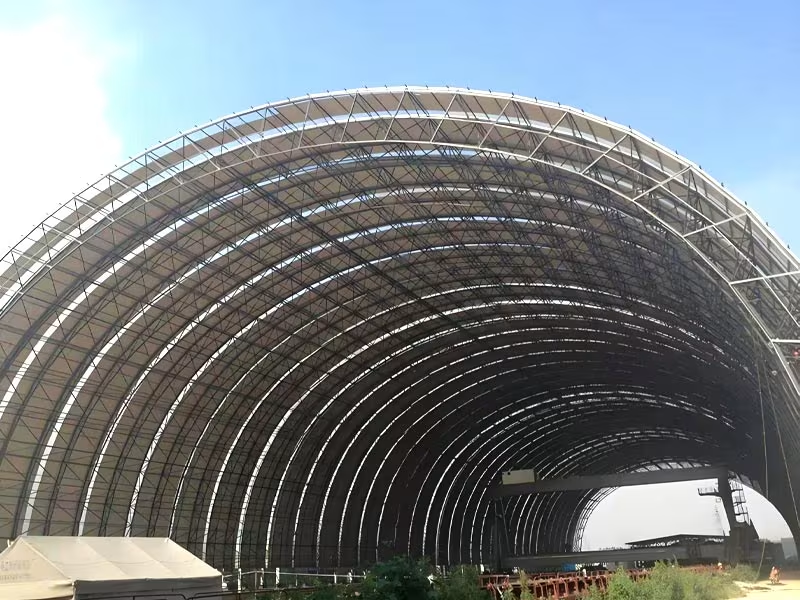
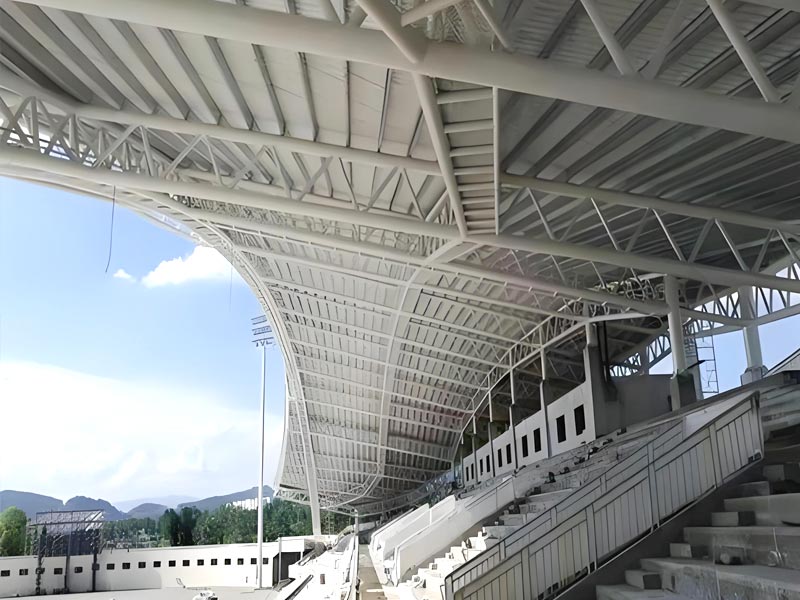
The tubular truss structure is a type of spatial grid structure system, which is constructed by intersecting and welding chord members and web members to create an architectural structure that combines stability and aesthetics. Currently, commonly used tubular truss forms include circular steel tubular trusses and rectangular (or square) steel tubular trusses. Tubular trusses can be designed as planar trusses or spatial trusses, offering more diverse and flexible shapes, such as straight lines, curves, or curved surfaces, to meet the aesthetic needs of architecture.
Applicable Scenarios
The petrochemical industry stores crude oil, gasoline, diesel, heavy oil, lubricating oil, various solvents, chemical raw materials, intermediates, and finished products, serving as core equipment in oil depots, refineries, and chemical parks.
In the energy and gas industry, spherical tanks and cryogenic tanks are commonly used for storing liquefied petroleum gas (LPG), liquid ammonia, LNG cryogenic liquids, and compressed gases.
The food and beverage industry stores edible oil, syrup, juice, milk, alcohol, purified water, additives, etc., mostly using stainless steel sanitary-grade storage tanks.
In the pharmaceutical and fine chemical industries, the storage of purified water, pharmaceuticals, intermediates, and sterile raw materials requires materials that are clean, corrosion-resistant, and easy to clean.
Environmentally friendly water treatment involves storing tap water, reclaimed water, sewage, flocculants, acid-base chemicals, and disinfectant solutions, which are commonly used in wastewater treatment plants and pump stations.
The storage of various resins, solvents, and pastes for coatings, inks, and adhesives requires anti-corrosion, sealing, and explosion-proof measures.
Agriculture and aquaculture involve storing irrigation water, fertilizer solutions, feed additives, and pesticide dilutions.
Buildings and municipal fire water pools, water supply storage tanks, insulated hot water tanks, asphalt storage tanks, etc.
Logistics warehousing and trade: transit warehouses for traders, storage tanks at docks, and centralized material storage in logistics parks
Related Products
What our client says
Shandong No.7 Construction provides high-quality steel structure with stable performance and precise manufacturing. Their professional service ensures our project runs smoothly and efficiently.

Sarah Johnson
Industrial Construction
The storage tanks are safe, durable and well-sealed, fully meeting our chemical storage needs. The one-stop service from design to installation is very reliable.

Michael Carter
Petrochemical Industry
Their space truss and pipe truss structures are lightweight, high-strength and suitable for large-span buildings. The technical team is professional and supports us throughout the project.

Robert Brown
Public Buildings & Stadiums
Steel structure buildings are fast to construct, eco-friendly and cost-effective. We are extremely satisfied with the overall solution and construction quality.

Emma Wilson
Prefabricated Construction
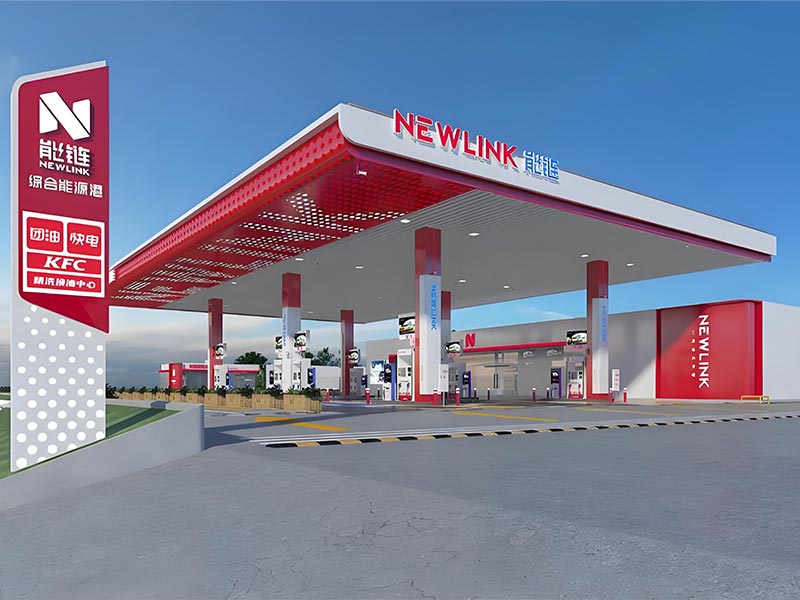
Their gas station construction is standardized, safe and completed on schedule. The whole-process service is efficient and professional.

James Taylor
Energy & Gas Station
Global Inquiry
For inquiries about steel structure, storage tank, space truss, pipe truss and project cooperation, please fill out the form. We will contact you soon.