How to Choose the Right Above Ground Storage Tank for Your Facility
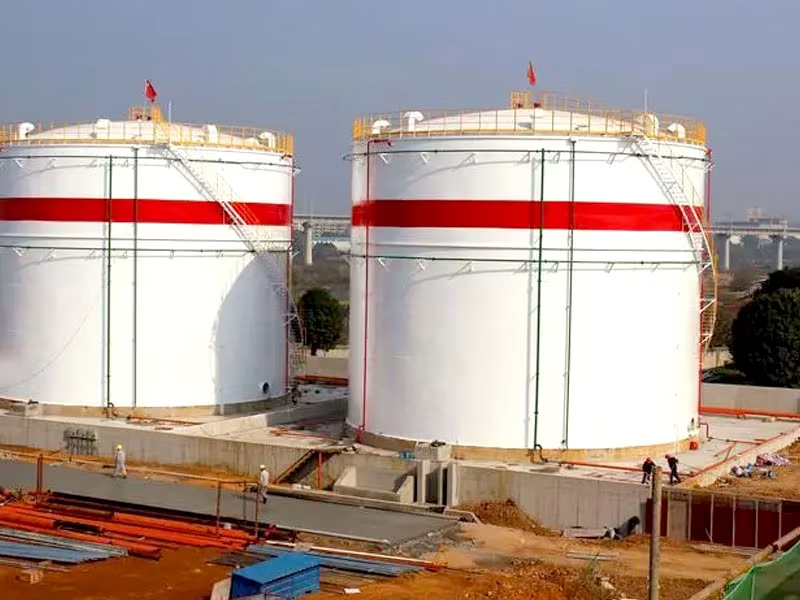
Understanding Above Ground Storage Tanks and Their Applications
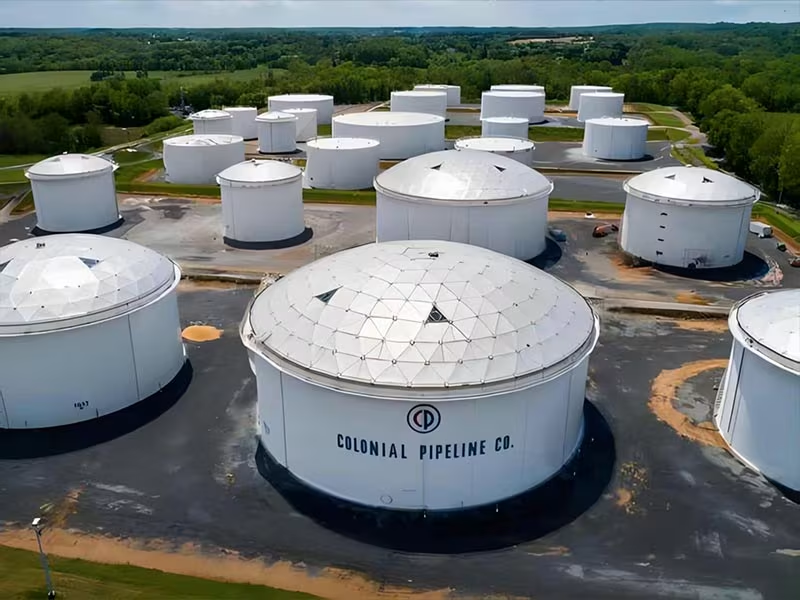
An above ground storage tank is a large container designed to store liquids, gases, and other substances at atmospheric pressure above the earth's surface. These storage tanks serve as essential equipment across numerous industries, providing reliable solutions for managing bulk quantities of materials.
Common industries using above ground storage tanks include oil and gas, agriculture, chemical processing, and water treatment facilities. Each sector utilizes these tanks for specific purposes – from storing petroleum products and industrial chemicals to irrigation water and wastewater treatment. The versatility of above ground storage tanks makes them indispensable for businesses requiring bulk liquid management.
The key advantages of above ground storage tanks compared to underground alternatives are clear: lower installation costs, easier accessibility for inspection and maintenance, simpler relocation when needed, and immediate visibility for monitoring liquid levels. Underground tanks, while offering space savings, come with significantly higher installation expenses, complex maintenance procedures, and increased difficulty in detecting leaks.
Types of Above Ground Storage Tanks
Steel Above Ground Storage Tanks
Steel tanks represent the most common choice for heavy-duty industrial applications due to their exceptional strength and durability. Carbon steel tanks offer robust construction at competitive prices, making them suitable for storing large volumes of petroleum products, water, and non-corrosive chemicals. Stainless steel variants provide superior corrosion resistance, ideal for environments where chemical compatibility is crucial.
The durability of steel tanks makes them particularly well-suited for demanding industrial environments where long-term reliability is essential. These tanks can withstand harsh weather conditions, physical impacts, and temperature fluctuations while maintaining structural integrity over decades of service.
Polyethylene Storage Tanks
Polyethylene tanks have gained popularity as lightweight, cost-effective solutions for chemical storage applications. Their inherent corrosion resistance eliminates concerns about chemical reactions with stored materials. These tanks excel in environments storing acids, alkalis, and various industrial chemicals that would rapidly degrade metal alternatives.
The lightweight nature of polyethylene tanks simplifies installation and reduces structural support requirements. They're particularly advantageous for applications requiring multiple smaller tanks or frequent repositioning of storage capacity. Modern manufacturing techniques produce polyethylene tanks with impressive strength-to-weight ratios while maintaining chemical inertness.
Fiberglass Reinforced Plastic (FRP) Tanks
Fiberglass reinforced plastic tanks combine exceptional longevity with minimal maintenance requirements. The composite construction provides outstanding resistance to corrosion, making these tanks ideal for harsh environments involving aggressive chemicals, coastal installations with salt air exposure, or applications requiring temperature resistance.
FRP tanks typically offer lifespans exceeding 20-30 years with proper care, significantly reducing long-term ownership costs. Their low maintenance profile appeals to facility managers seeking storage solutions that minimize ongoing operational expenses. The material's inherent UV resistance and thermal stability make FRP tanks suitable for both indoor and outdoor installations across diverse climates.
Key Factors to Consider When Choosing an Above Ground Storage Tank
Storage Capacity and Size Requirements
Determining appropriate storage capacity requires balancing operational needs with space constraints and budget considerations. Small capacity tanks (under 5,000 gallons) typically suit facilities with limited space or modest storage requirements. These units often offer easier permitting and installation processes.
Large capacity storage tanks (exceeding 50,000 gallons) provide economies of scale for high-volume operations but require substantial site preparation and foundation work. Custom above ground storage tank solutions allow facilities to specify exact dimensions, multiple compartments for different products, and specialized fittings tailored to specific operational workflows.
Capacity Planning Table:
| Storage Volume | Typical Applications | Installation Considerations | Regulatory Complexity |
|---|---|---|---|
| Under 1,000 gallons | Residential fuel, small operations | Minimal site prep, quick installation | Basic permitting |
| 1,000-10,000 gallons | Agriculture, light industrial | Concrete pad required, professional installation | Moderate compliance needed |
| 10,000-50,000 gallons | Manufacturing, mid-sized facilities | Engineered foundation, secondary containment | Full permitting process |
| Over 50,000 gallons | Petroleum terminals, major industrial | Field-erected construction, extensive site work | Comprehensive regulatory review |
Stored Material Compatibility
Material compatibility stands as the most critical factor in storage tank selection. Fuel storage requires tanks designed specifically for petroleum products, often incorporating features like vapor recovery systems and double-wall construction for environmental protection. Water storage tanks must meet specific hygiene standards and may require internal coatings to prevent corrosion.
Chemical storage tanks demand careful analysis of material compatibility charts to prevent reactions that could compromise tank integrity or product quality. Hazardous liquids necessitate additional safety features including secondary containment, leak detection systems, and emergency venting capabilities. Always consult material compatibility data and manufacturer specifications before finalizing tank selection.
Installation Location and Environmental Conditions
The choice between indoor versus outdoor installation significantly impacts tank specifications and costs. Outdoor installations must account for climate factors including temperature extremes, precipitation patterns, UV exposure, and potential seismic activity. These conditions influence requirements for tank coatings, insulation, foundation design, and protective structures.
Corrosion concerns vary dramatically based on environmental conditions – coastal installations require enhanced protection against salt air, while industrial environments may need specialized coatings to resist chemical exposure in the atmosphere. UV protection becomes essential for outdoor tanks made from materials susceptible to sunlight degradation.
Above Ground Storage Tank Design Standards and Regulations
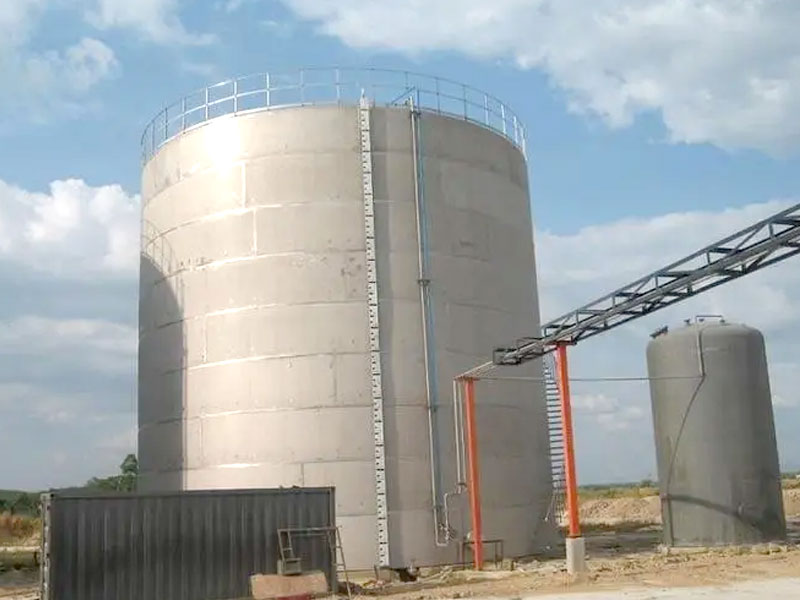
Above ground storage tanks must comply with international standards ensuring safe design, construction, and operation. API 650 sets requirements for welded steel tanks for oil storage, while UL 142 governs steel aboveground tanks for flammable and combustible liquids. These standards cover material specifications, design criteria, fabrication requirements, and testing procedures.
Environmental compliance regulations vary by jurisdiction but typically include requirements for secondary containment, spill prevention plans, and regular leak detection monitoring. Secondary containment systems, such as dikes or double-wall tanks, provide critical protection against accidental releases, containing spills within controlled areas until remediation.
Additional regulations may include ISO 28300 for petroleum storage, NFPA 30 for flammable liquids, and various regional environmental protection requirements. Working with manufacturers experienced in global standards ensures your above ground storage tank meets applicable requirements regardless of installation location.
Safety Features and Risk Prevention
Leak Prevention Systems
Modern above ground storage tanks incorporate multiple layers of protection against leaks. Double-wall tanks provide primary and secondary containment, with interstitial space monitoring to detect breaches in either wall before product reaches the environment. This design offers superior protection compared to single-wall tanks with external secondary containment.
Monitoring and detection systems have evolved significantly, incorporating electronic sensors, continuous level monitoring, and automated shut-off capabilities. Advanced systems provide real-time leak detection with immediate alerts, enabling rapid response to potential issues. These monitoring solutions integrate with facility control systems for comprehensive oversight of storage operations.
Fire Protection and Ventilation
Fire-resistant tank design incorporates features to minimize fire risk and limit potential damage. Pressure relief valves prevent dangerous pressure buildup during filling operations or temperature fluctuations, while emergency venting provides controlled release during extreme conditions.
Ventilation systems must accommodate both normal breathing during product transfer and emergency conditions. Proper sizing and placement of vents according to API 2000 standards ensures safe operation while preventing vapor accumulation that could create explosive atmospheres.
Installation Process for Above Ground Storage Tanks
Site Preparation and Foundation Requirements
Proper site preparation begins with selecting a location that meets regulatory distance requirements from property lines, buildings, and other tanks. The foundation must provide adequate support while preventing settling that could damage tank structures. Concrete pads represent the most common foundation type, though other options include ring walls, compacted soil bases, or steel supports depending on tank size and site conditions.
Foundation design must account for tank weight when full, soil bearing capacity, potential seismic activity, and drainage requirements. Professional engineering becomes essential for larger installations to ensure foundation adequacy and long-term stability.
Step-by-Step Installation Overview
- Site assessment and preparation – Clear the area, verify soil conditions, establish drainage patterns
- Foundation construction – Pour concrete pad or construct alternative foundation per engineering specifications
- Tank delivery and positioning – Transport tank to site, position on foundation using appropriate lifting equipment
- Connection installation – Install piping, valves, instrumentation, and electrical connections
- Secondary containment – Install diking or verify double-wall integrity
- Testing and commissioning – Pressure test, hydrostatic test, and verify all systems function properly
Professional Installation vs DIY Considerations
While small, simple tanks may permit DIY installation for experienced contractors, most above ground storage tank installations benefit from professional installation services. Professional installers understand regulatory requirements, proper techniques, and potential pitfalls that could create compliance issues or safety hazards.
Professional installation becomes mandatory for larger tanks, hazardous material storage, or installations subject to strict regulatory oversight. The investment in professional installation typically pays dividends through proper compliance, reduced liability, and optimized performance.
Maintenance and Inspection Best Practices
Routine Inspection Checklist
Implementing a comprehensive inspection program ensures continued safe operation and extends tank lifespan. Daily visual inspections should check for obvious damage, leaks, or unusual conditions. Monthly inspections examine foundation integrity, coating condition, and appurtenances. Annual professional assessments include detailed thickness measurements, weld inspections, and comprehensive system evaluations.
Key inspection items include:
- Exterior surfaces for corrosion, damage, or coating deterioration
- Foundation condition and evidence of settling
- Valve and fitting integrity
- Secondary containment system status
- Monitoring and detection system functionality
Cleaning and Corrosion Prevention
Regular cleaning removes sediment and contaminants that could accelerate corrosion or contaminate stored products. Cleaning frequency depends on stored material characteristics and operating conditions. Tanks storing water or aqueous solutions may require more frequent cleaning than those storing stable petroleum products.
Corrosion prevention strategies include appropriate coating systems, cathodic protection for steel tanks, and proper material selection for specific stored materials. Addressing minor corrosion issues promptly prevents progression to more significant problems that could compromise tank integrity.
Extending the Lifespan of Your Storage Tank
Maximizing tank lifespan requires proactive maintenance rather than reactive repairs. Establishing routine inspection schedules, addressing minor issues before they escalate, and maintaining detailed maintenance records all contribute to extended service life. Periodic professional assessments provide expert evaluation of tank condition and recommendations for preventive maintenance.
Proper operation procedures – including controlled filling rates, avoiding overfilling, and maintaining appropriate operating conditions – also significantly impact longevity. Training operators on best practices helps prevent operational damage that could reduce tank service life.
Custom Above Ground Storage Tank Solutions from a Manufacturer
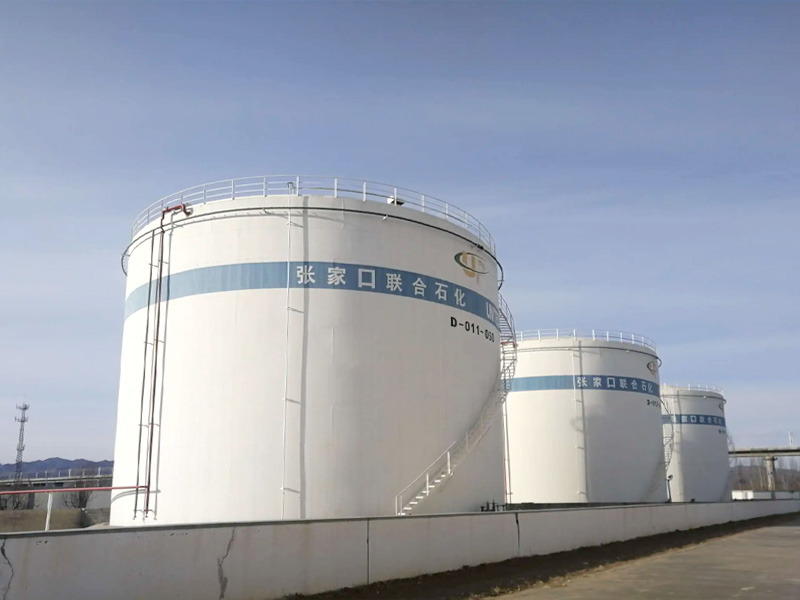
Benefits of Working Directly with a Manufacturer
Partnering directly with a manufacturer rather than through distributors offers numerous advantages for custom above ground storage tank requirements. Manufacturers provide direct access to engineering expertise, ensuring optimal design for specific applications. This relationship typically yields faster delivery times, better pricing through elimination of middleman markups, and superior after-sales support.
Manufacturers can offer tailored solutions including specialized materials, unique configurations, custom fittings, and integrated systems designed as cohesive units rather than assembled components. This comprehensive approach often results in more efficient, cost-effective storage solutions.
OEM & ODM Services
Original Equipment Manufacturer (OEM) services allow companies to source tanks built to their exact specifications under private label arrangements. Original Design Manufacturer (ODM) services provide access to proven tank designs that can be customized to meet specific requirements without complete redesign. Both approaches offer flexibility in meeting market demands while maintaining quality standards.
These services prove particularly valuable for companies serving specialized markets or requiring distinctive product offerings. Manufacturers with extensive OEM/ODM experience understand the balance between customization and cost-effectiveness.
Tailored Tank Design: Size, Material, Fittings
Customization options extend to every aspect of tank design. Size customization includes precise capacity requirements, dimensional constraints for specific installation sites, and vertical or horizontal orientations based on space availability and operational needs. Material selection accommodates specific stored materials, environmental conditions, and budget considerations.
Fittings and accessories can be customized to match existing facility infrastructure, including specialized connections, integrated pumping systems, custom instrumentation packages, and unique venting configurations. This level of customization ensures seamless integration with existing operations.
Cost Factors and Budget Planning
Price Differences by Material and Capacity
Material selection significantly impacts upfront costs – carbon steel generally offers the lowest initial investment, stainless steel commands premium pricing for corrosion resistance, and polyethylene provides moderate cost with specific chemical resistance advantages. Capacity also influences pricing, with larger tanks typically offering lower cost per gallon but requiring more substantial installation expenses.
Understanding price structures helps in budget planning. Material choice, capacity, configuration complexity, and optional features all contribute to total cost. Obtaining detailed quotes that include all required components – tank, foundation, secondary containment, and necessary appurtenances – prevents budget overruns.
Long-term Cost vs Initial Investment
Evaluating total cost of ownership rather than just initial price yields more accurate budget projections. Factors including maintenance requirements, expected service life, energy efficiency, and replacement costs all influence long-term economics. Sometimes, higher initial investments in durable materials or superior construction pay dividends through extended service life and reduced maintenance expenses.
Consider operational factors such as insurance costs, regulatory compliance expenses, and potential environmental risks when evaluating total cost. Comprehensive cost analysis should account for these factors over the projected service life of the equipment.
How to Choose Cost-Effective Storage Tank Solutions
Cost-effectiveness balances upfront investment with long-term value. Key considerations include:
- Expected service life and durability requirements
- Maintenance needs and associated costs
- Energy efficiency for temperature-controlled applications
- Regulatory compliance requirements and associated costs
- Environmental risk factors and potential liability
Working with experienced manufacturers helps identify solutions that optimize value rather than simply minimizing initial price. Manufacturers can provide lifecycle cost analyses comparing different options, enabling informed decisions about true cost-effectiveness.
Choosing a Reliable Above Ground Storage Tank Supplier
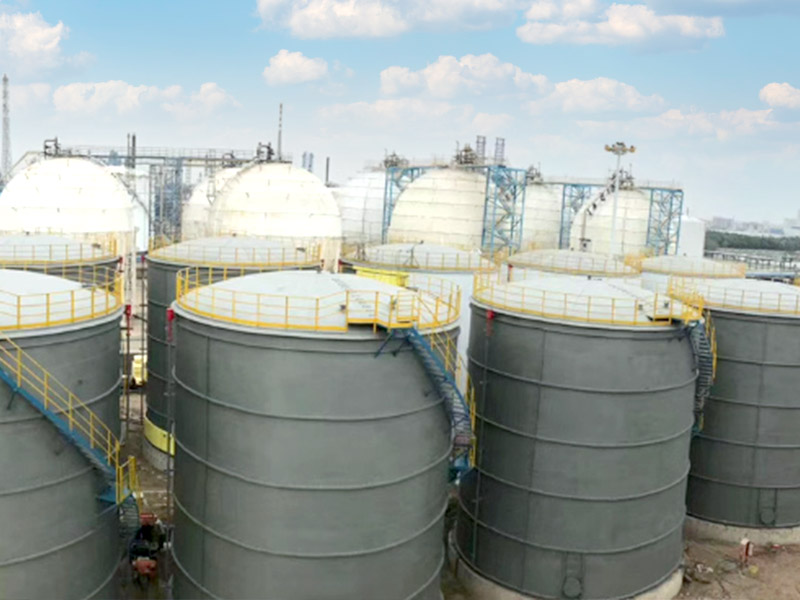
Key Qualities of a Trusted Manufacturer
Reliable above ground storage tank manufacturers demonstrate consistent quality, technical expertise, and customer-focused service. Look for companies with established manufacturing facilities, documented quality control processes, and experienced engineering teams. Longevity in the industry often indicates proven performance and customer satisfaction.
Customer service capabilities including technical support, installation assistance, and responsive after-sales service differentiate superior manufacturers. Companies that invest in ongoing product development and improvement typically offer more advanced, efficient solutions.
Certifications and Quality Assurance
Quality certifications demonstrate commitment to industry standards and consistent manufacturing processes. Important certifications include ISO 9001 for quality management, compliance with API, UL, and other relevant standards, and third-party verification of design and manufacturing capabilities.
Testing capabilities including hydrostatic testing, material verification, and performance validation ensure product reliability. Manufacturers with comprehensive in-house testing facilities typically deliver more consistent quality and can accommodate special testing requirements.
Global Export Experience and Support
International experience indicates ability to meet diverse regulatory requirements and shipping logistics challenges. Manufacturers familiar with global export understand documentation requirements, shipping regulations, and local compliance needs across different markets.
Global support networks ensure ongoing service regardless of installation location. Time zone considerations, language capabilities, and local service availability all contribute to successful international projects.
Conclusion
Choosing the right above ground storage tank is a critical decision that impacts safety, efficiency, and long-term operational costs. By carefully evaluating factors such as material, capacity, compliance standards, and environmental conditions, businesses can ensure optimal performance and reliability.
As a professional manufacturer, offering customized above ground storage tank solutions not only meets specific application needs but also enhances project efficiency and return on investment. Whether for fuel storage, chemical containment, or water management, selecting a high-quality storage tank is the foundation for safe and sustainable operations.
The investment in proper selection, installation, and maintenance pays dividends through extended service life, regulatory compliance, and operational reliability. Working with experienced manufacturers who understand both technical requirements and practical application considerations ensures successful storage solutions that meet both current needs and future growth.
FAQ
Q: What is the difference between above ground and underground storage tanks?
A: Above ground storage tanks are installed on the surface and offer lower installation costs, easier maintenance access, and immediate visibility for monitoring. Underground tanks require significant excavation, have higher initial costs ($8,000-$12,000 vs $2,000-$3,500), and present more complex maintenance procedures. Above ground tanks provide simpler inspection and faster emergency response times.
Q: What materials are used for above ground storage tanks?
A: Three primary materials are used: carbon steel for strength and durability in industrial applications, stainless steel for superior corrosion resistance with aggressive chemicals, and polyethylene for lightweight, cost-effective chemical storage. Fiberglass reinforced plastic (FRP) tanks offer exceptional longevity and low maintenance, ideal for harsh environments with 20-30 year lifespans.
Q: How often should above ground storage tanks be inspected?
A: Implement a tiered inspection schedule: daily visual checks for obvious damage or leaks, monthly inspections examining foundation integrity and coating condition, and annual professional assessments including thickness measurements and comprehensive system evaluation. Tanks storing hazardous materials may require more frequent inspections per regulatory requirements.
Q: What safety features should above ground storage tanks include?
A: Essential safety features include double-wall construction for secondary containment, leak detection monitoring systems with real-time alerts, pressure relief valves for normal venting, emergency venting for extreme conditions, and secondary containment dikes. These features comply with API 650, UL 142, and NFPA 30 standards for safe operation.
Q: How do I choose the right size above ground storage tank for my facility?
A: Evaluate your storage needs based on daily consumption, delivery frequency, and required backup capacity. Consider space constraints, foundation requirements, and local regulations. Small tanks (under 5,000 gallons) suit limited spaces with simpler permitting, while larger tanks (50,000+ gallons) offer economies of scale but require engineered foundations. Factor in that tanks typically fill to 90% capacity per most codes.
Continue reading
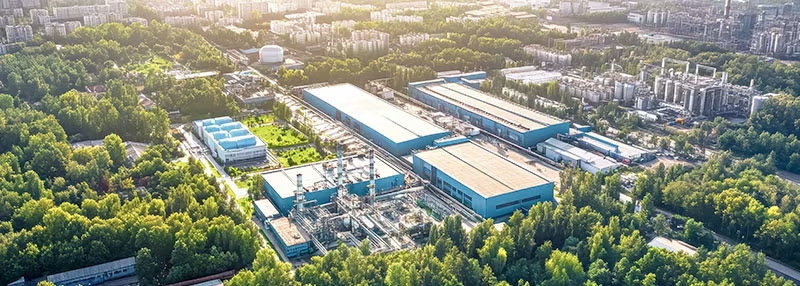
Shandong No.7 Construction Engineering Co., Ltd. is a large-scale modern construction enterprise integrating R&D, design, production, construction and general contracting of steel structures, with business covering both domestic and international markets.