Why Choosing the Right Commercial Steel Trusses Matters for Your Project
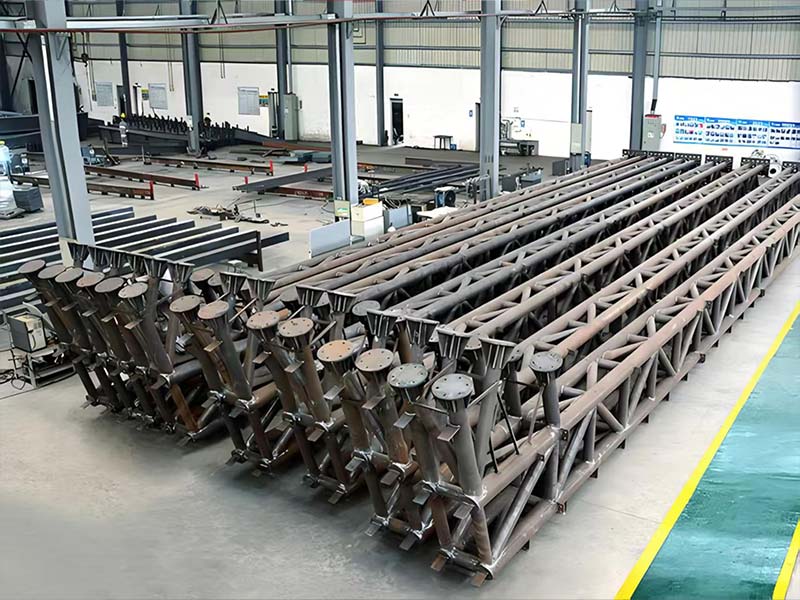
Selecting the correct commercial steel trusses is a critical decision that determines your project's structural integrity, long-term performance, and overall cost efficiency. As a leading manufacturer of steel building components, we understand that proper truss selection impacts everything from construction timelines to maintenance requirements over decades of use.
Understanding Commercial Steel Trusses
Definition and Purpose of Commercial Steel Trusses
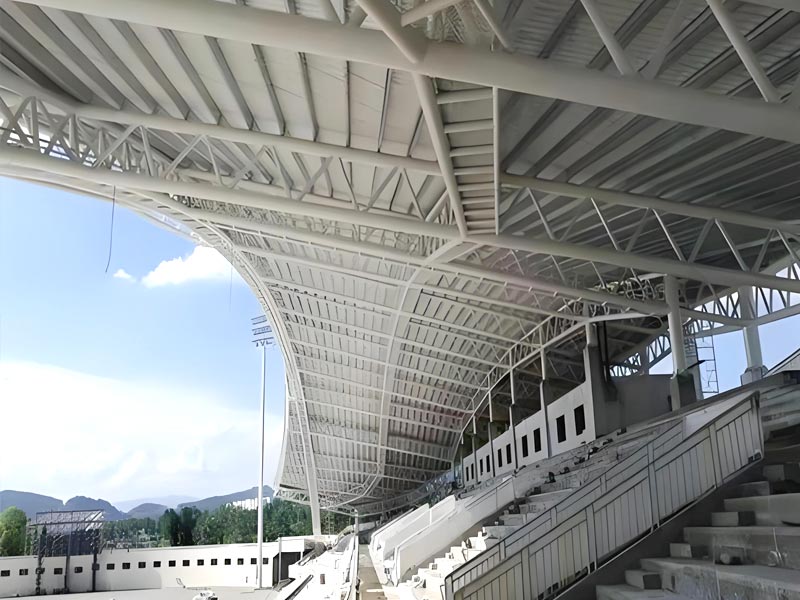
Commercial steel trusses are engineered structural frameworks composed of interconnected steel members arranged in triangular patterns. This geometric design efficiently distributes loads across the structure while minimizing material usage. The triangular configuration provides exceptional stability, making trusses ideal for supporting roofs, floors, and bridges in commercial and industrial applications.
Key Components and Materials Used
Steel trusses consist of three primary elements: top chords (upper members), bottom chords (lower members), and web members (diagonal and vertical connections). These components are typically fabricated from structural steel grades including ASTM A36, A572 Grade 50, and high-strength low-alloy steels. Modern commercial trusses often utilize hollow structural sections (HSS) for improved torsional resistance and aesthetic appeal.
Differences Between Commercial and Residential Trusses
Commercial steel trusses differ significantly from residential counterparts in scale, load capacity, and design complexity. While residential trusses typically span 8-12 meters, commercial systems can exceed 100 meters. Commercial trusses accommodate heavier dead loads from HVAC systems, suspended ceilings, and specialized equipment while supporting larger live loads from snow, wind, and occupancy requirements.
Types of Commercial Steel Trusses
Pratt Trusses
Pratt trusses feature vertical members in compression and diagonal members in tension, forming an efficient "N" pattern. This design excels in gravity-dominated load scenarios and is widely used in industrial buildings, warehouses, and bridges. Pratt trusses offer economical material distribution and straightforward fabrication, making them a popular choice for spans ranging from 20 to 100 meters.
Warren Trusses
Warren trusses utilize equilateral triangles throughout their structure, providing uniform load distribution without vertical members. This minimalist design reduces internal force concentrations and material weight. Warren trusses are commonly found in long-span bridges, industrial roofs, and applications requiring balanced force transmission across 20-100 meter spans.
Howe Trusses
Howe trusses invert the Pratt configuration, with diagonal members in compression and verticals in tension. This arrangement makes them particularly effective for distributed roof and floor loads. Howe trusses are often specified for railway bridges, heavy-load industrial structures, and applications where symmetrical load behavior is essential.
Custom Fabricated Steel Trusses for Large Projects
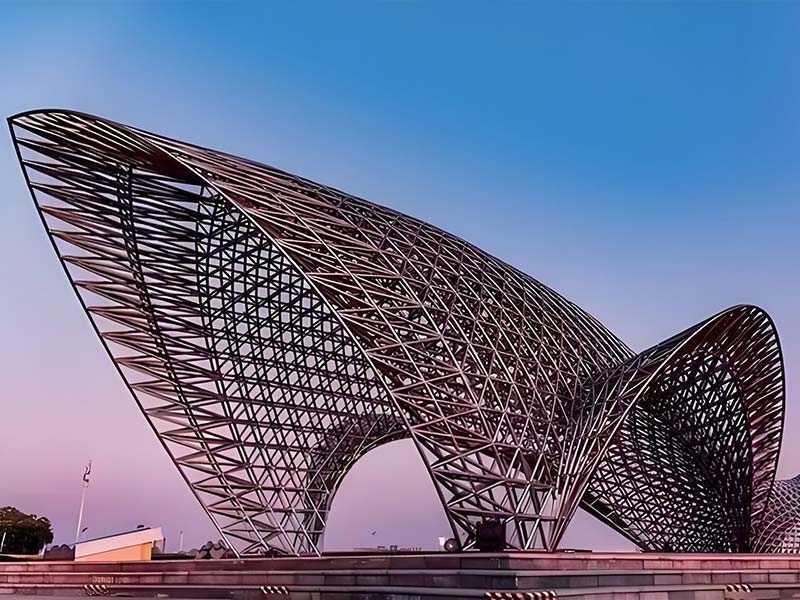
For specialized applications requiring unique architectural forms or exceptional load capacities, custom-fabricated steel trusses provide tailored solutions. These engineered systems accommodate complex geometries, integrated service provisions, and project-specific performance requirements. Custom trusses enable architects and engineers to achieve distinctive designs while maintaining structural efficiency.
Benefits of Using Commercial Steel Trusses
Structural Strength and Durability
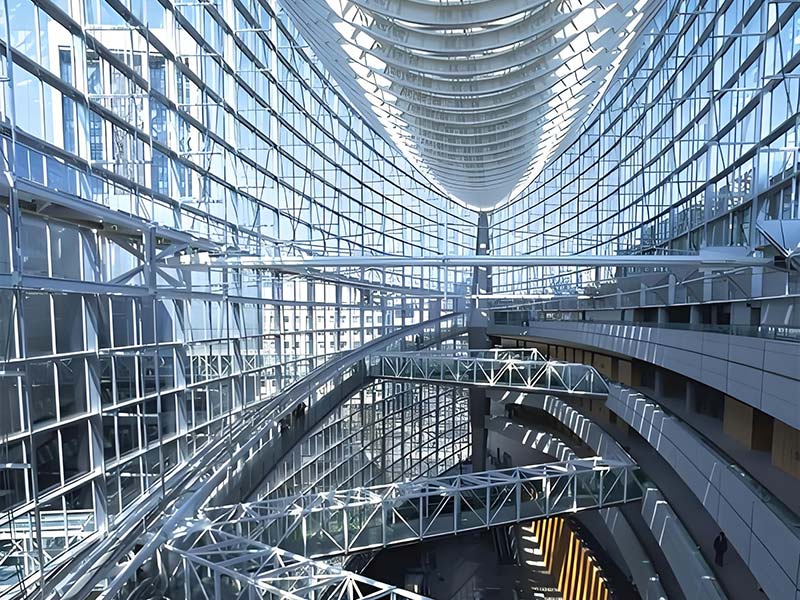
Commercial steel trusses offer exceptional strength-to-weight ratios, typically 3-4 times higher than concrete alternatives. This efficiency allows longer spans with fewer support columns, maximizing usable interior space. Steel's inherent durability ensures 50-70 year service lives with minimal maintenance, even in harsh environmental conditions.
Cost-Effectiveness Over Time
While initial material costs may exceed timber alternatives, steel trusses deliver superior lifecycle economics. Reduced maintenance requirements, longer service intervals, and minimal replacement needs result in 15-25% total cost savings over 30-year periods. Prefabrication capabilities further reduce construction timelines by 30-50%, accelerating project completion and occupancy.
Flexibility in Design and Span Capabilities
Steel trusses enable architectural freedom unmatched by traditional framing systems. Their capacity to span over 100 meters without intermediate supports opens possibilities for expansive warehouses, sports arenas, exhibition halls, and transportation terminals. The structural openness accommodates complex mechanical systems, integrated lighting, and adaptable interior layouts.
Fire Resistance and Safety Advantages
Steel is inherently non-combustible, providing superior fire protection compared to timber structures. When properly protected with intumescent coatings or fire-resistant materials, steel trusses maintain structural integrity during fire events, providing critical time for occupant evacuation and emergency response. This fire resistance also often results in lower insurance premiums for commercial facilities.
Factors to Consider When Choosing Commercial Steel Trusses
Load Capacity and Structural Requirements
Accurate load calculations form the foundation of proper truss selection. Consider dead loads (roofing materials, insulation, suspended equipment), live loads (snow, wind, maintenance access), and environmental factors (seismic activity, thermal expansion). Consulting with structural engineers ensures selected trusses meet or exceed all design requirements while providing appropriate safety factors.
Building Type and Project Scale
Different building types demand specific truss configurations. Warehouses prioritize clear spans and load capacity for storage systems, while retail spaces emphasize aesthetic considerations and customer experience. Sports facilities require trusses supporting suspended lighting, scoreboards, and audio systems. Matching truss characteristics to building function optimizes performance and cost efficiency.
Environmental Conditions and Corrosion Resistance
Site-specific environmental conditions significantly influence truss design and material selection. Coastal regions with salt spray require enhanced corrosion protection through hot-dip galvanizing or marine-grade coatings. Industrial environments with chemical exposure may demand specialized surface treatments. Proper environmental consideration ensures long-term durability and minimizes maintenance requirements.
Prefabrication vs On-Site Fabrication Options
Prefabricated steel trusses offer numerous advantages including consistent quality, faster installation, and reduced on-site labor requirements. Factory-controlled environments ensure precise fabrication tolerances and quality control. However, projects with unique constraints or limited access may require on-site fabrication. Careful evaluation of logistics, timelines, and quality requirements determines the optimal fabrication approach.
Common Applications of Commercial Steel Trusses
Warehouses and Industrial Buildings
Steel trusses dominate warehouse and industrial construction due to their ability to create column-free spaces up to 150 meters wide. These structures accommodate high-density storage systems, material handling equipment, and overhead cranes while maintaining structural efficiency. The fire-resistant properties of steel also protect valuable inventory and equipment.
Commercial Roof Systems
Modern commercial buildings utilize steel trusses for roofing systems that support HVAC equipment, solar arrays, and green roof installations. The lightweight nature of steel trusses reduces foundation requirements while providing exceptional load capacity. Design flexibility allows integration with various roofing materials and architectural styles.
Sports Complexes and Event Halls
Sports facilities and entertainment venues rely on steel trusses to create vast, unobstructed spaces for spectators and participants. These structures support complex lighting systems, scoreboards, sound systems, and occasionally retractable roofs. Steel's strength-to-weight ratio enables dramatic architectural expressions while ensuring public safety.
Large-Scale Retail Spaces
Retail environments benefit from steel trusses' ability to create open, flexible floor plans that adapt to changing merchandising needs. Column-free interiors enhance customer experience and maximize usable sales space. The structural openness also facilitates utility distribution and future modifications.
Installation and Maintenance Best Practices
Step-by-Step Installation Guide
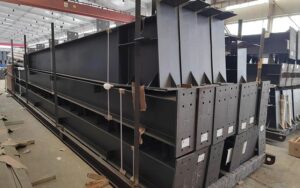
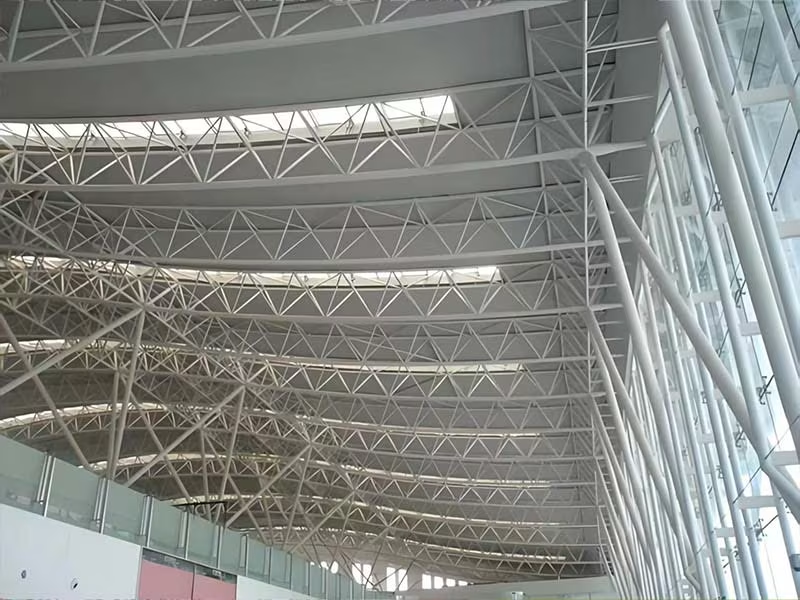
Professional installation begins with thorough review of truss design drawings and installation procedures. Proper lifting techniques require attachment at designated pick points using spreader bars for trusses exceeding 30 feet in length. Install temporary bracing immediately after placement to prevent lateral instability. Connect trusses to bearing surfaces using approved anchoring methods and verify alignment within specified tolerances before proceeding with decking or roofing installation.
Safety Precautions During Construction
Construction safety demands comprehensive planning and execution. Establish clear exclusion zones below lifting operations. Ensure all personnel use appropriate fall protection when working at heights. Verify crane capacity and rigging equipment before each lift. Monitor weather conditions and suspend operations during high winds or severe weather. Regular safety briefings and adherence to OSHA regulations prevent accidents and ensure project success.
Routine Inspection and Maintenance Tips
Regular inspections extend service life and identify potential issues before they become critical. Examine connections for tightness and corrosion, particularly in high-moisture environments. Check protective coatings for damage and address any breaches promptly. Monitor structural alignment and investigate any unexpected deflections or movements. Document all inspections and maintenance activities for comprehensive lifecycle management.
Repairing or Reinforcing Existing Trusses
When repairs become necessary, engage qualified structural engineers to assess damage and develop appropriate repair strategies. Common repairs include bolt replacement, weld reinforcement, and section strengthening. Ensure repairs utilize compatible materials and maintain the original structural capacity. Load testing may be required for major repairs to verify structural integrity before returning to service.
Comparing Commercial Steel Trusses with Other Materials
Steel vs Wood Trusses
Steel trusses significantly outperform wood in strength, durability, and fire resistance. While wood offers lower initial costs for small residential applications, commercial projects benefit from steel's superior span capabilities, reduced maintenance, and longer service life. Steel's consistency and dimensional stability provide reliability impossible with natural wood products.
Steel vs Aluminum Trusses
Aluminum offers weight advantages (approximately one-third of steel) but at considerably higher cost (3-4 times steel). Aluminum's lower elastic modulus results in greater deflection, limiting its use in large-span applications. Steel provides superior strength, stiffness, and cost-effectiveness for most commercial construction, though aluminum may be appropriate where weight is the primary consideration.
Light Gauge Steel vs Structural Steel Trusses
Light gauge steel (cold-formed steel) serves residential and light commercial applications with spans up to 12 meters. Structural steel trusses handle significantly larger loads and spans for commercial and industrial projects. The choice depends on project scale, load requirements, and budget considerations.
Cost and Longevity Considerations
The following table summarizes key cost and longevity factors across common truss materials:
| Material | Initial Cost | Service Life | Maintenance | Fire Resistance | Best Application |
|---|---|---|---|---|---|
| Structural Steel | Medium | 50-70 years | Low | Excellent | Commercial/Industrial |
| Aluminum | High | 40-60 years | Very Low | Good | Specialized Applications |
| Light Gauge Steel | Low-Medium | 30-50 years | Low | Good | Residential/Light Commercial |
| Timber | Low | 25-40 years | High | Poor | Residential |
How to Source High-Quality Commercial Steel Trusses
Working Directly with Manufacturers
Direct manufacturer relationships ensure optimal communication, customization capabilities, and accountability throughout the project lifecycle. Manufacturers provide engineering support, fabrication expertise, and installation guidance that distributors cannot match. Direct engagement also enables value engineering opportunities that optimize performance while controlling costs.
Evaluating Suppliers and Material Standards
Supplier evaluation should include verification of quality certifications (ISO 9001, AISC certification), fabrication capabilities, and project experience. Request references from similar projects and inspect fabrication facilities when possible. Material compliance with relevant standards (ASTM, AISC, Eurocode, JIS) ensures structural performance and regulatory compliance.
Prefabricated vs Custom Trusses for Your Project
Prefabricated trusses offer cost and schedule advantages for standard applications. Custom trusses become necessary for unique geometries, special loading conditions, or architectural requirements. Many projects benefit from hybrid approaches using prefabricated components with custom modifications to optimize both performance and cost.
Ensuring Compliance with Local Building Codes
All commercial steel trusses must comply with local building codes, including structural design standards (AISC 360, Eurocode 3, AS 4100), load requirements (ASCE 7, Eurocode 1), and fire safety regulations. Engage local code officials early in the design process to identify requirements and avoid compliance issues that could delay projects.
Conclusion
Selecting the right commercial steel trusses represents one of the most critical decisions in construction project planning. Proper selection ensures structural safety, operational efficiency, and long-term cost effectiveness. High-quality steel trusses provide decades of reliable service with minimal maintenance while enabling architectural freedom that transforms design visions into reality.
As experienced steel truss manufacturers, we understand that every project presents unique challenges and opportunities. Our engineering teams combine technical expertise with practical field experience to deliver customized solutions that meet specific project requirements while optimizing performance and value. Consultation with qualified professionals early in the design process identifies optimal truss configurations, materials, and fabrication approaches that align with project goals and budgets.
The combination of advanced manufacturing capabilities, engineering excellence, and commitment to quality makes commercial steel trusses the superior choice for virtually any commercial or industrial construction project. When properly selected, fabricated, and installed, steel trusses provide the structural foundation for buildings that serve their intended purpose efficiently and safely for generations to come.
FAQ
What are commercial steel trusses and why are they used?
Commercial steel trusses are engineered structural frameworks made of interconnected steel members arranged in triangular patterns. They're primarily used in commercial and industrial construction because they efficiently distribute heavy loads while allowing for long spans (up to 100+ meters) without interior support columns. This design provides exceptional strength-to-weight ratios, making them ideal for warehouses, sports facilities, and large retail spaces.
How long do commercial steel trusses typically last?
With proper fabrication and maintenance, commercial steel trusses typically have a service life of 50-70 years. Their durability comes from steel's resistance to rot, pests, and weather damage. When protected with appropriate coatings (such as hot-dip galvanizing or paint), they can withstand harsh environmental conditions while requiring minimal maintenance throughout their lifespan.
Are steel trusses better than wood for commercial projects?
Yes, steel trusses offer several advantages over wood for commercial applications. They provide superior strength, fire resistance, and dimensional stability. While wood may have lower initial costs for small residential projects, steel trusses are more cost-effective for commercial construction due to their longer lifespan, reduced maintenance requirements, and ability to span much greater distances without support columns.
What factors should I consider when selecting commercial steel trusses?
Key considerations include load requirements (dead loads from roofing materials and live loads from snow, wind, and equipment), span distance, building type and usage, environmental conditions (corrosion concerns), and local building codes. Consulting with structural engineers and experienced manufacturers helps ensure the selected truss system meets all performance requirements while optimizing cost and efficiency.
How much do commercial steel trusses cost compared to alternatives?
Steel trusses typically have medium initial costs—higher than wood but lower than aluminum. However, their total lifecycle cost is often 15-25% lower than alternatives due to minimal maintenance requirements, longer service intervals, and exceptional durability. Prefabricated steel trusses also reduce construction timelines by 30-50%, providing additional savings through faster project completion and earlier occupancy.
Continue reading
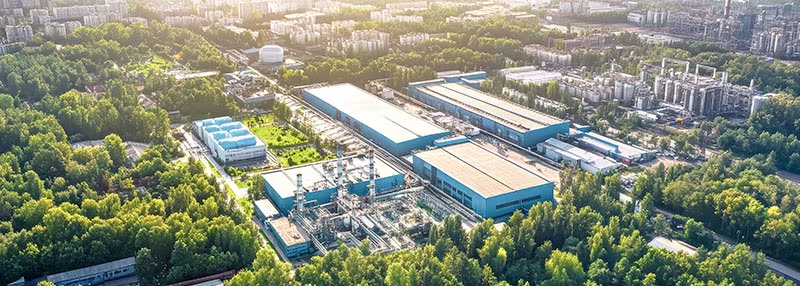
Shandong No.7 Construction Engineering Co., Ltd. is a large-scale modern construction enterprise integrating R&D, design, production, construction and general contracting of steel structures, with business covering both domestic and international markets.