How to Choose the Right Vertical Water Storage Tank
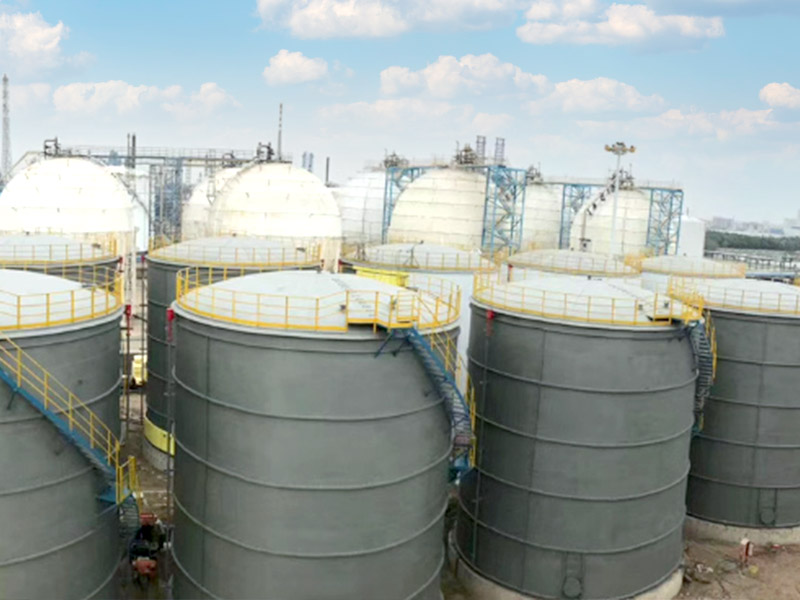
Understanding Vertical Water Storage Tanks
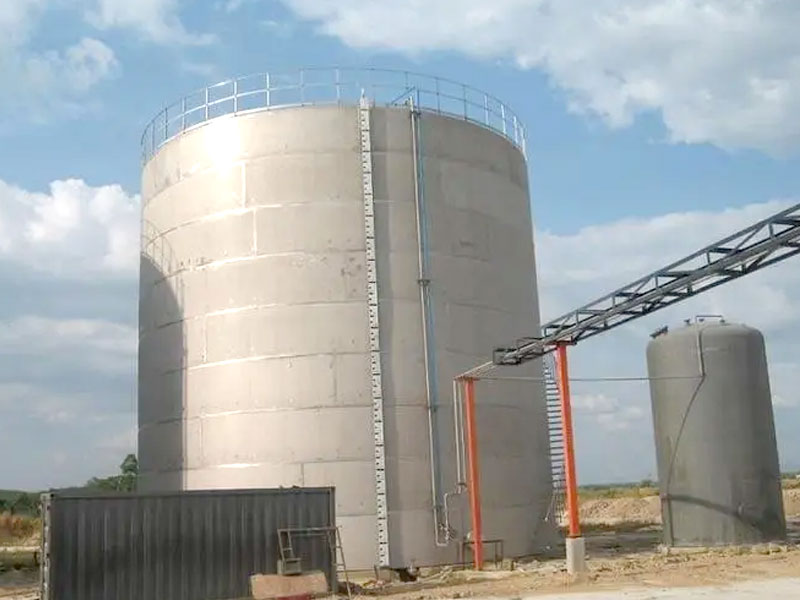
What Is a Vertical Water Storage Tank?
A vertical water storage tank is a tall, cylindrical container designed to store water in an upright position. Unlike horizontal tanks that lay flat, vertical tanks stand vertically, maximizing storage capacity while minimizing ground footprint. These tanks are widely used in residential, commercial, and industrial settings for applications ranging from potable water storage to rainwater harvesting and industrial process water management.
Key Components and Design Features
A well-designed vertical water storage tank comprises several essential components that ensure durability, safety, and functionality. The main structural elements include:
- Tank Body: Typically cylindrical in shape to provide even pressure distribution and structural integrity
- Top Cover/Manhole: Provides access for inspection, cleaning, and maintenance
- Inlet and Outlet Ports: Allow controlled water entry and discharge
- Overflow Mechanism: Prevents overfilling and potential damage
- Ventilation System: Ensures proper air circulation and prevents vacuum formation
- Drain Valve: Located at the lowest point for complete tank drainage
- Level Indicators: Help monitor water volume at a glance
Materials Used: Plastic, Steel, and Composite Options
Vertical water storage tanks are manufactured from various materials, each offering distinct advantages:
Plastic/Polyethylene Tanks: Made from HDPE (High-Density Polyethylene) or polypropylene, these tanks are lightweight, corrosion-resistant, and cost-effective. They're ideal for residential and light commercial applications. UV-stabilized versions prevent degradation from sunlight exposure, making them suitable for outdoor installation.
Stainless Steel Tanks: Crafted from food-grade stainless steel (typically 304 or 316 grades), these tanks offer exceptional durability, hygiene, and resistance to corrosion. They're the preferred choice for applications requiring strict sanitary conditions, such as food and beverage production, pharmaceutical facilities, and hospitals.
Composite Tanks: Combining materials like fiberglass-reinforced plastic (FRP) or glass-reinforced plastic (GRP), these tanks offer excellent strength-to-weight ratios and chemical resistance. They're particularly suitable for industrial applications involving corrosive substances or harsh environments.
Benefits of Using Vertical Water Storage Tanks
Vertical water storage tanks offer numerous advantages that make them an excellent choice for various applications:
Space-Saving Advantages for Industrial and Residential Setups: The upright design means vertical tanks occupy significantly less floor space compared to horizontal tanks of equivalent capacity. A 100,000-gallon vertical tank typically requires around 1,400 square feet of base area, whereas a horizontal tank of similar volume may require over 2,300 square feet. This space efficiency is particularly valuable in urban environments, factories, or facilities where every square foot matters.
Durable and Corrosion-Resistant Designs: Quality vertical tanks are engineered to withstand harsh environmental conditions. Advanced materials and construction techniques ensure resistance to corrosion, UV degradation, and impact damage. HDPE tanks, for instance, can maintain less than 1% annual deterioration rate over 30+ years, making them a long-term investment.
Efficient Water Management and Storage Solutions: The vertical orientation provides natural hydrostatic pressure, which can reduce pumping energy costs by up to 20% compared to low-profile tanks. Every 10 feet of height adds approximately 4.3 psi of water pressure, facilitating gravity-fed distribution systems and improving overall water management efficiency.
Suitable for Rainwater Harvesting, Potable Water, and Industrial Use: Vertical tanks offer versatility across applications. They can be configured for rainwater collection systems, certified for potable water storage with NSF/ANSI 61 compliance, or engineered to handle industrial chemicals and process water. This flexibility makes them a valuable asset for diverse water management needs.
Types of Vertical Water Storage Tanks
Single-wall vs Double-wall Tanks
Single-wall Tanks: The most common type, consisting of a single containment layer. These are cost-effective and suitable for most general-purpose water storage applications where secondary containment isn't required by regulation.
Double-wall Tanks: Feature an inner primary tank within an outer containment shell. The space between walls can be monitored for leaks, providing early warning and preventing environmental contamination. These are essential for applications involving hazardous substances or where environmental protection regulations mandate secondary containment.
Modular Vertical Tanks vs One-piece Tanks
Modular Tanks: Constructed from multiple panels or sections that are assembled on-site. This design allows for easier transportation to challenging locations and can be customized to specific capacity requirements. Modular systems also enable future expansion by adding additional sections.
One-piece Tanks: Manufactured as a single unit, typically using rotational molding or seamless welding processes. These eliminate potential leak points at joints and offer excellent structural integrity. One-piece tanks are ideal when transportation logistics permit and immediate deployment is desired.
Customizable Sizes and Capacities
Vertical water storage tanks come in a wide range of sizes to accommodate diverse needs:
| Application | Typical Capacity Range | Common Sizes |
|---|---|---|
| Residential Backup | 500-5,000 gallons | 1,000 gallons, 2,500 gallons |
| Commercial Buildings | 5,000-20,000 gallons | 5,000 gallons, 10,000 gallons |
| Industrial Facilities | 20,000-100,000+ gallons | 25,000 gallons, 50,000 gallons |
| Municipal Systems | 100,000-1,000,000+ gallons | 500,000 gallons, 1,000,000 gallons |
Factors to Consider When Choosing a Vertical Water Storage Tank
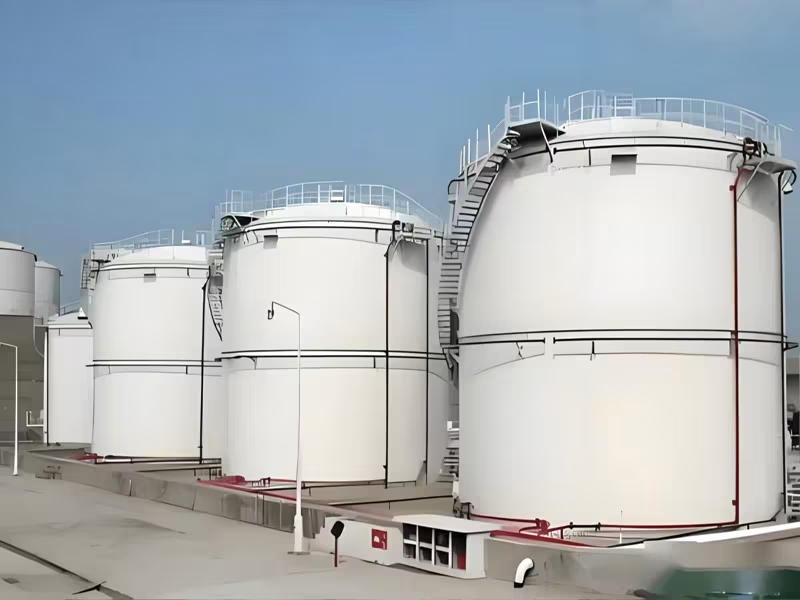
Capacity Requirements for Your Application
Determining the appropriate capacity requires careful analysis of your water usage patterns:
- Calculate Daily Usage: Estimate average water consumption for your specific application. For residential use, consider 50-80 gallons per person per day. Industrial facilities should account for process water needs, cooling requirements, and washdown operations.
- Account for Peak Demand: Identify periods of maximum water usage and ensure your tank can accommodate these surges. Morning and evening usage spikes often dictate sizing requirements more than daily averages.
- Include Safety Margins: Plan for emergency scenarios, seasonal fluctuations, and potential expansion. A 25-30% buffer above calculated needs provides flexibility and ensures continuous supply during unexpected circumstances.
Material Durability and Corrosion Resistance
The tank material must withstand environmental exposure and stored water characteristics:
- Corrosion Resistance: Evaluate the corrosiveness of stored water and surrounding environment. Coastal areas may require 316 stainless steel for superior chloride resistance, while standard applications can use 304 stainless steel or HDPE.
- UV Protection: For outdoor installations, ensure the tank material includes UV stabilizers or protective coatings to prevent degradation from sunlight exposure.
- Chemical Compatibility: If storing treated water or chemicals, verify material compatibility to prevent degradation or contamination.
Installation Space and Environmental Conditions
Careful site evaluation ensures successful tank installation and long-term performance:
- Available Space: Measure the installation area thoroughly, accounting not just for the tank footprint but also for required access clearance, maintenance space, and any necessary support structures.
- Foundation Requirements: Ensure the ground can support the tank's weight when full. A concrete pad or reinforced foundation is typically necessary, especially for larger capacities. The foundation must be level and properly compacted to prevent settling.
- Environmental Exposure: Consider factors such as temperature extremes, wind loads, seismic activity, and proximity to corrosive substances. Tanks in hurricane-prone areas may require additional anchoring, while installations in freezing climates might need insulation or heating elements.
Local Building Codes and Compliance Requirements
Regulatory compliance ensures safety and legal operation:
- Permitting Requirements: Research local permitting processes for water storage installations. Some jurisdictions require specific approvals, especially for tanks exceeding certain capacities or those used for fire protection.
- Water Quality Standards: For potable water applications, ensure compliance with relevant health department regulations. NSF/ANSI 61 certification for drinking water system components is often mandatory.
- Zoning Restrictions: Verify that the installation location complies with local zoning ordinances, particularly regarding setback requirements, height restrictions, and permissible land use.
Maintenance and Cleaning Considerations
Plan for ongoing maintenance to ensure long-term performance:
- Access Requirements: Ensure sufficient space and access points for regular inspection, cleaning, and maintenance activities. Consider the need for ladders, platforms, or other access equipment.
- Cleaning Frequency: Establish a maintenance schedule based on usage patterns and water quality standards. More frequent cleaning may be necessary for tanks storing potable water or in applications prone to sediment buildup.
- Drainage Capabilities: Verify that the tank design allows for complete drainage to prevent water stagnation and facilitate cleaning operations.
Vertical Water Storage Tank Sizes and Capacities
Common Sizes Available for Domestic and Commercial Use
The market offers a comprehensive range of standard sizes to address diverse needs:
Small Residential Tanks (500-1,500 gallons): Ideal for home backup water supply, small rainwater harvesting systems, and emergency preparedness. These compact units typically measure 3-6 feet in diameter and 6-10 feet in height, making them suitable for tight spaces.
Medium Commercial Tanks (2,000-10,000 gallons): Commonly used in small businesses, apartment complexes, and light industrial applications. These tanks provide sufficient capacity for daily operations while remaining manageable for installation and maintenance.
Large Industrial Tanks (10,000-50,000+ gallons): Designed for substantial water storage needs in manufacturing facilities, hospitals, schools, and agricultural operations. These tanks often require specialized installation equipment and engineering considerations.
Matching Capacity with Daily Water Demand
Proper sizing ensures reliable water supply without overinvestment:
- Residential Applications: A family of four typically requires 2,000-3,000 gallons of storage for adequate emergency backup, accounting for drinking, sanitation, and basic needs during water supply interruptions.
- Commercial Buildings: Size based on building occupancy, fixture counts, and usage patterns. A 50,000-square-foot office building might need 10,000-20,000 gallons depending on occupant density and water conservation measures.
- Industrial Facilities: Calculate based on process requirements, cooling needs, and production schedules. Continuous manufacturing operations may require multiple days' worth of storage to ensure uninterrupted production during supply disruptions.
How Modular Tanks Can Meet Large-Scale Storage Needs
For applications requiring massive storage capacities, modular vertical tank systems offer practical solutions:
- Scalability: Modular designs enable incremental capacity increases. Start with a basic configuration and add modules as storage needs grow, avoiding the need to replace the entire system.
- Site Flexibility: The ability to assemble modules on-site accommodates locations with restricted access or limited crane capacity. Individual components can be transported through standard doorways or assembled in constrained spaces.
- Custom Configurations: Modular systems can be arranged in various layouts to optimize space utilization or accommodate site-specific constraints. This flexibility is particularly valuable in retrofit applications where existing infrastructure must be worked around.
Installation and Maintenance Tips
Proper Site Selection for Tank Placement
Choosing the right location is fundamental to successful installation:
- Ground Stability: Select a site with stable, well-compacted soil capable of supporting the tank's weight without settling. Conduct soil testing if uncertain about ground conditions.
- Accessibility: Ensure adequate access for installation equipment, maintenance vehicles, and ongoing operations. Consider how water deliveries, maintenance personnel, and emergency responders will access the site.
- Drainage Considerations: Position the tank to prevent water accumulation around the base. Proper site grading and drainage channels protect the foundation and facilitate maintenance activities.
- Environmental Protection: Avoid placing tanks near sensitive environmental areas or where leaks could contaminate waterways or groundwater. Maintain appropriate setbacks from property lines and structures.
Foundation Requirements and Safety Guidelines
A proper foundation is critical for tank longevity and safety:
- Concrete Pad: For most applications, a reinforced concrete pad provides the most reliable foundation. The pad should extend beyond the tank's diameter and be designed to support the fully loaded weight with appropriate safety factors.
- Base Preparation: The foundation must be perfectly level to ensure even weight distribution and prevent stress concentrations. Deviations from level greater than 1/4 inch over the tank's base diameter can create structural problems.
- Anchoring: Especially important for taller tanks or installations in high-wind areas. Anchor bolts or straps secure the tank to the foundation and prevent movement during extreme weather events.
- Secondary Containment: Consider installing secondary containment systems, especially for tanks storing substances that could cause environmental damage if released. This may be required by regulation in some jurisdictions.
Routine Inspection and Cleaning Schedule
Regular maintenance ensures optimal performance and extends tank life:
- Monthly Inspections: Check for visible damage, leaks, or unusual wear. Monitor water quality parameters if applicable. Ensure all access points remain secure and functional.
- Quarterly Maintenance: Clean vents and overflow screens. Test drain valves and level indicators. Inspect foundation for signs of settling or erosion.
- Annual Professional Inspection: Engage qualified inspectors to assess structural integrity, coating condition, and overall tank health. For certified tanks (such as pressure vessels), follow required inspection schedules.
- Cleaning Schedule: Establish cleaning intervals based on water usage and quality requirements. Potable water tanks typically require professional cleaning every 1-2 years, while industrial process tanks may need more frequent maintenance depending on the substances stored.
Preventing Leaks and Prolonging Tank Lifespan
Proactive measures prevent problems and extend service life:
- Material Compatibility: Ensure all gaskets, seals, and fittings are compatible with stored water and tank materials to prevent degradation. Replace these components periodically as part of routine maintenance.
- Coating Maintenance: For metal tanks, monitor protective coatings and address any damage promptly. Touch-up or recoat as needed to prevent corrosion initiation.
- Proper Usage: Operate tanks within their design parameters. Avoid overfilling, rapid temperature changes, or exposure to incompatible substances that could accelerate deterioration.
- Record Keeping: Maintain detailed maintenance logs to track trends and identify potential issues early. Document repairs, modifications, and inspections for regulatory compliance and warranty purposes.
Comparing Vertical vs Horizontal Water Storage Tanks
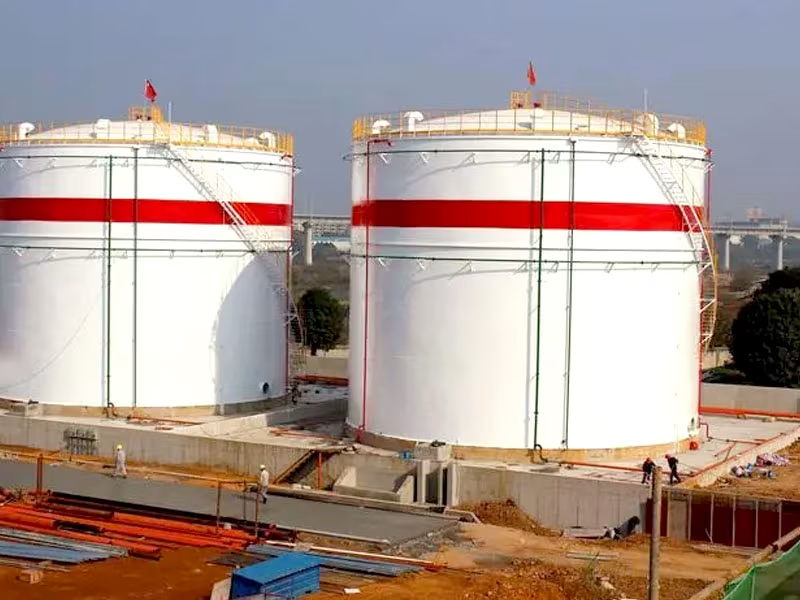
Differences in Design, Space Efficiency, and Maintenance
The choice between vertical and horizontal orientations involves several trade-offs:
Space Utilization: Vertical tanks excel in space-constrained environments. Their upright design minimizes footprint while maximizing storage volume through height. In contrast, horizontal tanks require more ground area but have lower profiles, making them suitable for installations with vertical space limitations.
Structural Considerations: Vertical tanks require more robust foundations due to their higher center of gravity. They must also withstand wind loads that become significant as height increases. Horizontal tanks have lower centers of gravity and are generally more stable, but they require additional support structures to prevent sagging along their length.
Maintenance Accessibility: Horizontal tanks typically offer easier access for maintenance activities because more components are located near ground level. Vertical tanks may require platforms, ladders, or other access equipment for inspection and maintenance of upper components.
Pressure Characteristics: The vertical orientation provides greater hydrostatic pressure at the tank bottom, which can be advantageous for gravity-fed distribution systems. Horizontal tanks have more uniform pressure distribution but may require additional pumping for effective water removal.
Which Tank Type Suits Specific Applications
Different applications favor different tank orientations:
Space-Limited Installations: Vertical tanks are clearly superior in urban environments, indoor facilities, or any location where footprint is at a premium. Their ability to maximize storage volume within a minimal ground area makes them ideal for retrofits and space-constrained sites.
Low-Profile Requirements: Horizontal tanks work better where height is restricted, such as in buildings with low clearances or under overhead structures. Their lower profile also facilitates easier access for maintenance personnel and equipment.
Transportation and Logistics: For remote locations or sites with challenging access, horizontal tanks may be easier to transport because they can often be shipped in larger sections without height restrictions. Vertical tanks may require on-site assembly for very large capacities.
Seismic Considerations: In earthquake-prone areas, horizontal tanks generally perform better due to their lower center of gravity and more even weight distribution. Vertical tanks require special engineering considerations to withstand seismic loads safely.
Cost Comparison and Long-Term Benefits
The economic evaluation goes beyond initial purchase price:
Initial Investment: Horizontal tanks often have lower initial costs for smaller capacities because they require less specialized foundation work. However, for large-capacity installations, vertical tanks may be more economical because they use material more efficiently.
Installation Costs: Vertical tanks typically require more extensive foundation preparation and possibly installation access equipment, increasing installation costs. Horizontal tanks often have simpler installation requirements but may require more structural support.
Operational Costs: Vertical tanks can reduce pumping energy costs due to their natural hydrostatic pressure advantage. Over the tank's lifetime, this energy savings can be substantial, offsetting higher initial investments.
Long-Term Value: Consider total cost of ownership over the expected service life. While vertical tanks may have higher upfront costs, their space efficiency, potential energy savings, and durability often result in better long-term value, especially in applications where real estate costs are significant.
Choosing a Reliable Manufacturer
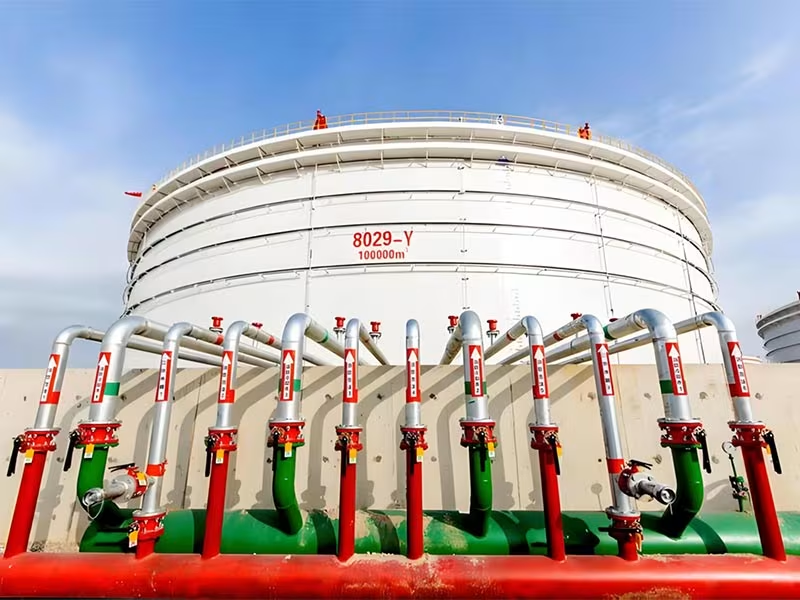
Why Working Directly With a Manufacturer Ensures Quality
Partnering directly with a tank manufacturer offers several advantages:
- Quality Control: Direct relationships give you greater visibility into manufacturing processes and quality assurance measures. You can verify materials, certifications, and testing procedures more effectively when working with the source.
- Technical Expertise: Manufacturers possess deep knowledge about their products and can provide valuable guidance on selection, installation, and maintenance. This expertise helps ensure you choose the right solution for your specific needs.
- Warranty Support: Direct manufacturer relationships simplify warranty claims and ensure you receive genuine replacement parts when needed. Third-party resellers may not offer the same level of support.
- Customization Capabilities: Manufacturers can often modify standard designs or create entirely custom solutions to meet your specific requirements. This flexibility is particularly valuable for specialized applications or challenging installation environments.
How Manufacturers Provide Customization Options
Quality manufacturers offer various customization capabilities:
- Dimensional Modifications: Tank diameter, height, and overall capacity can often be adjusted to meet specific requirements while maintaining structural integrity and performance characteristics.
- Fitting and Accessory Configuration: Manufacturers can relocate inlet/outlet positions, add extra fittings, or incorporate specific accessories based on your system design. This customization reduces installation complexity and ensures optimal integration.
- Material Selection: For specialized applications, manufacturers can offer alternative materials or linings to handle unique chemical compatibility requirements, temperature extremes, or other environmental factors.
- Special Coatings and Finishes: Additional protective coatings, UV treatments, or aesthetic finishes can be applied to enhance durability, appearance, or environmental resistance.
Evaluating Certifications, Warranties, and Service Support
When selecting a manufacturer, thoroughly assess their credentials and support offerings:
- Industry Certifications: Look for manufacturers with relevant certifications such as NSF/ANSI 61 for potable water applications, ASME certification for pressure vessels, or ISO 9001 for quality management systems. These certifications indicate adherence to recognized industry standards.
- Warranty Coverage: Carefully review warranty terms, including duration, coverage scope, and any conditions that might void coverage. Comprehensive warranties demonstrate manufacturer confidence in product quality.
- Technical Support Availability: Ensure the manufacturer provides adequate technical support throughout the product lifecycle. This includes installation guidance, troubleshooting assistance, and ongoing maintenance recommendations.
- Service Network: For large installations or critical applications, verify the manufacturer has service technicians or authorized service providers in your area. Prompt service response minimizes downtime in case of problems.
FAQ
How Long Does a Vertical Water Storage Tank Last?
The service life of a vertical water storage tank depends on material, usage patterns, environmental conditions, and maintenance practices:
- HDPE Plastic Tanks: Typically last 15-25 years with proper maintenance. UV-stabilized tanks in moderate climates can reach the upper end of this range, while harsh environments may reduce longevity.
- Stainless Steel Tanks: Can exceed 30 years with appropriate care. 316 stainless steel in non-corrosive environments may last even longer. Regular maintenance of coatings and inspections extends service life significantly.
- Fiberglass/Composite Tanks: Generally offer 20-30 years of service when properly maintained. The resin quality and manufacturing processes heavily influence durability.
- Factors Affecting Longevity: Water chemistry, temperature extremes, UV exposure, freeze-thaw cycles, and mechanical damage all impact tank life. Regular maintenance and prompt repair of minor issues can dramatically extend service life.
Can Vertical Water Tanks Be Used for Drinking Water?
Yes, vertical water tanks can safely store drinking water when properly designed and maintained:
- Material Certification: Ensure tank materials are certified for potable water contact. NSF/ANSI 61 certification is the standard in North America, while other regions have equivalent certifications.
- Sanitary Design: Tanks for drinking water should have smooth, non-porous interiors that resist biofilm formation and facilitate thorough cleaning. Properly sealed covers and screened vents prevent contamination.
- Water Quality Maintenance: Regular testing and appropriate treatment maintain water quality. Consider installing filtration or treatment systems if water quality concerns exist.
- Regulatory Compliance: Verify that your installation meets all local health department requirements for potable water storage systems. Some jurisdictions have specific requirements for materials, installation, and maintenance.
Are Vertical Tanks Suitable for Outdoor Installation in Extreme Weather?
Vertical tanks can be engineered for extreme weather conditions with proper design and precautions:
- Cold Weather Applications: In freezing climates, tanks may need insulation, heat tracing, or burial to prevent ice formation. Proper foundation design accommodates frost heave, and appropriate materials resist low-temperature embrittlement.
- Hot Weather Environments: UV protection becomes critical in sunny climates. Light-colored or reflective finishes reduce heat absorption, and adequate venting prevents pressure buildup from thermal expansion.
- High Wind Areas: Tall vertical tanks act as wind sails and require substantial anchoring and structural reinforcement. Engineering calculations should account for local wind loads, and additional bracing may be necessary.
- Seismic Zones: Earthquake-prone areas require special design considerations including robust foundation-to-tank connections, flexible piping connections, and possibly additional structural supports.
How to Upgrade or Expand Water Storage Capacity
Several options exist for increasing storage capacity without complete system replacement:
- Additional Tanks: Install supplementary tanks and connect them to your existing system. This approach allows incremental capacity expansion and can accommodate future needs without initial overinvestment.
- Tank Replacement: Replace existing tanks with larger capacity units when expansion requirements significantly exceed current capacity. This may be most economical when substantial increases are needed.
- Modular Expansion: If you have a modular tank system, simply add additional modules to increase capacity. This is often the most straightforward expansion method for compatible systems.
- System Optimization: Sometimes capacity can be effectively increased by optimizing system operations rather than adding physical storage. Improved controls, reduced consumption, or alternative water sources can extend the utility of existing storage.
Conclusion
Choosing the right vertical water storage tank involves careful consideration of multiple factors to ensure you select a solution that meets your specific needs and provides reliable, long-term service.
Recap of Key Points for Choosing the Right Vertical Water Storage Tank: The selection process should start with a clear understanding of your capacity requirements based on usage patterns and future needs. Material selection must balance durability, cost, and compatibility with stored water and environmental conditions. Installation considerations include site preparation, foundation requirements, and regulatory compliance. Ongoing maintenance planning ensures optimal performance and longevity.
Emphasize the Importance of Proper Material, Size, and Maintenance: The tank material determines longevity and suitability for your application—HDPE for cost-effective general use, stainless steel for sanitary applications requiring durability, or composites for specialized chemical resistance. Correct sizing prevents both costly overinvestment and insufficient capacity that compromises operations. Regular maintenance including inspections, cleaning, and preventive repairs extends service life and ensures water quality.
Encourage Readers to Consult or Contact Your Company for Customized Solutions: Every application has unique requirements that may benefit from expert guidance. Whether you need help sizing your system, selecting appropriate materials, or designing a custom solution, professional consultation ensures you make informed decisions. As experienced manufacturers, we can provide valuable insights into optimizing your water storage investment for maximum value and reliability.
Contact our engineering team today to discuss your specific requirements and discover how a properly selected vertical water storage tank can enhance your water management system for years to come.
Continue reading
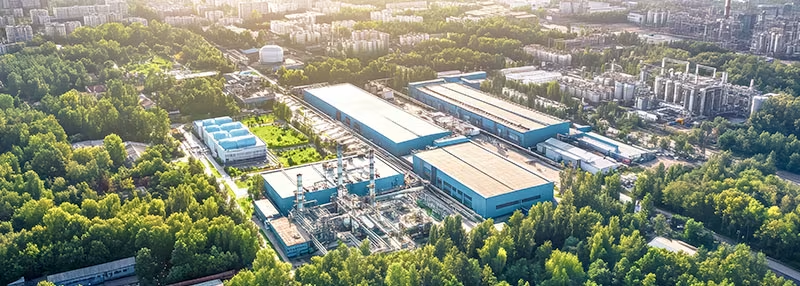
Shandong No.7 Construction Engineering Co., Ltd. is a large-scale modern construction enterprise integrating R&D, design, production, construction and general contracting of steel structures, with business covering both domestic and international markets.