How to Choose the Right Residential Steel Trusses Supplier
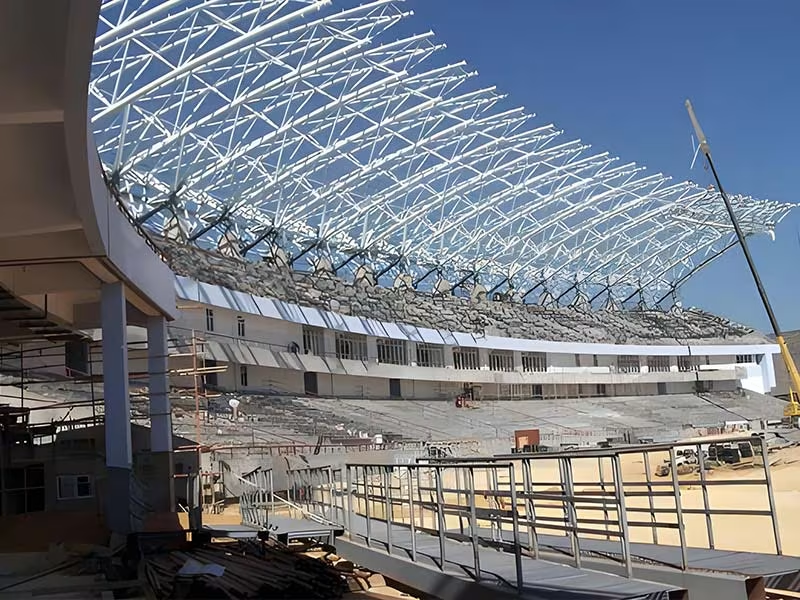
Residential steel trusses have become a core structural solution in modern housing due to their strength, durability, and design flexibility. As residential construction shifts toward prefabrication, long-span layouts, and energy-efficient building systems, selecting the right supplier is no longer a simple procurement decision—it directly impacts structural safety, project cost, and long-term performance.
From a manufacturing perspective, consistent quality control, engineering capability, and production scalability define whether a supplier can truly support residential construction projects at scale. This article breaks down the key evaluation factors contractors, developers, and builders should consider when selecting a residential steel trusses supplier.
Understanding Residential Steel Trusses in Modern Construction
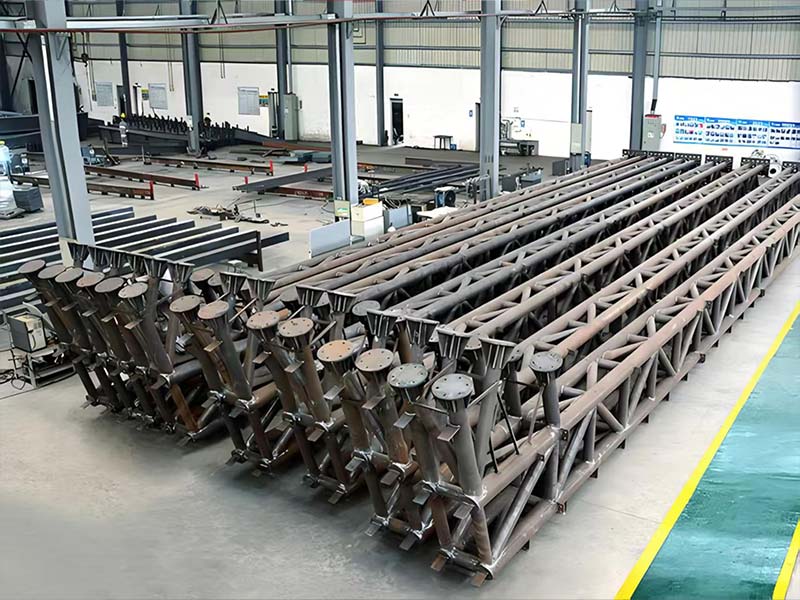
Residential steel trusses are engineered frameworks designed to support roof loads in residential buildings. Compared with traditional timber structures, steel truss systems offer higher load capacity, improved dimensional stability, and better resistance to environmental factors such as humidity, termites, and fire exposure.
They are widely used in:
- Single-family homes
- Villas and luxury residences
- Prefabricated housing systems
- Large-span residential roofing structures
Common material options include galvanized structural steel and high-strength carbon steel, typically designed to meet strict engineering and building code requirements.
Why Supplier Selection Impacts Project Quality and Cost
Choosing a residential steel trusses supplier directly influences the structural integrity and cost efficiency of a project. A qualified manufacturer ensures precision engineering, consistent material properties, and stable production output.
Poor supplier selection often leads to:
- Structural misalignment during installation
- Increased on-site modification costs
- Delays caused by inconsistent fabrication
- Reduced long-term durability
In residential construction, even small deviations in truss accuracy can significantly affect roofing performance and installation efficiency.
Manufacturing Capability: What Defines a Reliable Steel Truss Producer
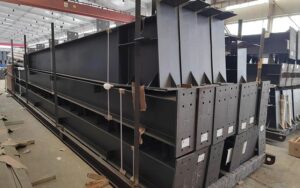
As a manufacturer, production capability is the foundation of reliability. Advanced fabrication systems ensure that every residential steel truss meets structural design specifications with minimal deviation.
Key manufacturing strengths include:
- CNC cutting and automated welding systems
- High-precision assembly lines
- Galvanizing and anti-corrosion treatment processes
- Batch consistency for large-scale residential projects
A strong manufacturing base ensures stable output for both standard and custom residential steel trusses.
Design and Engineering Support for Residential Projects
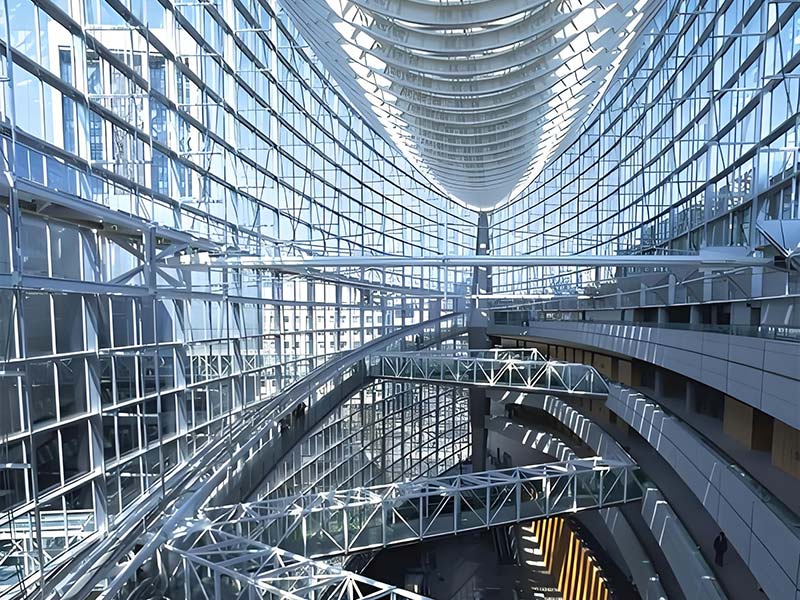
Engineering support is essential for residential steel truss systems. Unlike simple structural components, trusses must be optimized for load distribution, wind resistance, and architectural integration.
Key engineering services include:
- Structural load calculation and span optimization
- CAD and BIM-based design modeling
- Wind and seismic load adaptation
- Compliance with ASTM, EN, or local building standards
A supplier with in-house engineering capability can significantly reduce design errors and improve construction efficiency.
Material Quality and Steel Grade Selection
Material selection determines both the durability and safety of residential steel trusses. Most systems use structural steel grades such as Q235 or Q345, depending on load requirements and environmental conditions.
| Steel Grade | Strength Level | Typical Use Case | Key Advantage |
|---|---|---|---|
| Q235 | Standard | Small residential roofs | Cost-effective and easy to fabricate |
| Q345 | High strength | Villas and large-span roofs | Better load capacity and durability |
| Galvanized Steel | Corrosion-resistant | Coastal or humid regions | Long-term anti-rust performance |
Surface treatment such as hot-dip galvanizing is commonly applied to extend service life and improve weather resistance.
Customization Options for Residential Steel Truss Systems
Modern residential architecture often requires tailored structural solutions. A capable supplier must support flexible customization based on project design requirements.
Common customization options include:
- Roof geometry adaptation (gable, hip, flat, or complex shapes)
- Load-specific reinforcement design
- Prefabricated modular truss systems
- Special coatings for environmental protection
Customization improves construction efficiency while ensuring compatibility with architectural designs.
Pricing Structure and Cost Transparency
Residential steel trusses pricing is influenced by multiple factors beyond raw material costs. Understanding these variables helps developers optimize procurement strategies.
Key cost drivers:
- Steel market price fluctuations
- Fabrication complexity and labor intensity
- Surface treatment requirements
- Project volume and customization level
- Transportation and logistics distance
Transparent pricing from a manufacturer helps contractors better control project budgets and avoid unexpected cost overruns.
Delivery, Logistics, and Project Timeline Management
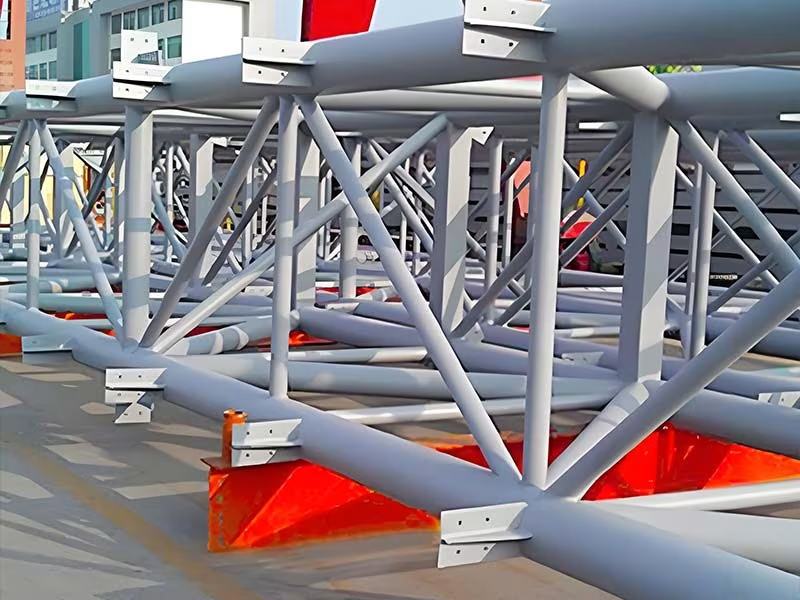
Timely delivery is critical in residential construction scheduling. A professional supplier ensures stable production planning and coordinated logistics support.
Key logistics considerations:
- Production lead time management
- Protective packaging for structural components
- Export documentation and compliance handling
- On-site delivery coordination for large-scale projects
Efficient logistics reduce downtime and help maintain overall construction progress.
Quality Control Standards and Certifications
Quality assurance is a key factor in ensuring structural safety and long-term performance. Reliable residential steel trusses must pass strict inspection and testing procedures.
Typical quality systems include:
- ISO-certified manufacturing processes
- Welding inspection and non-destructive testing (NDT)
- Load-bearing performance verification
- Dimensional accuracy checks before shipment
Compliance with international standards ensures consistency and reliability across projects.
Common Mistakes When Selecting a Residential Steel Trusses Supplier
Many procurement decisions fail due to a narrow focus on pricing instead of technical capability.
Frequent mistakes include:
- Choosing suppliers without engineering support
- Ignoring steel grade certification
- Overlooking production capacity limitations
- Failing to verify fabrication accuracy
These issues often lead to installation delays and increased project costs.
Benefits of Working Directly with a Manufacturer
Working directly with a residential steel trusses manufacturer provides clear advantages in both cost control and technical support.
Key benefits include:
- Factory-direct pricing without intermediaries
- Faster customization and production response
- Direct communication with engineering teams
- Stronger quality control and traceability
For large residential projects, manufacturer cooperation significantly improves efficiency and reduces risk.
Application Scenarios of Residential Steel Trusses
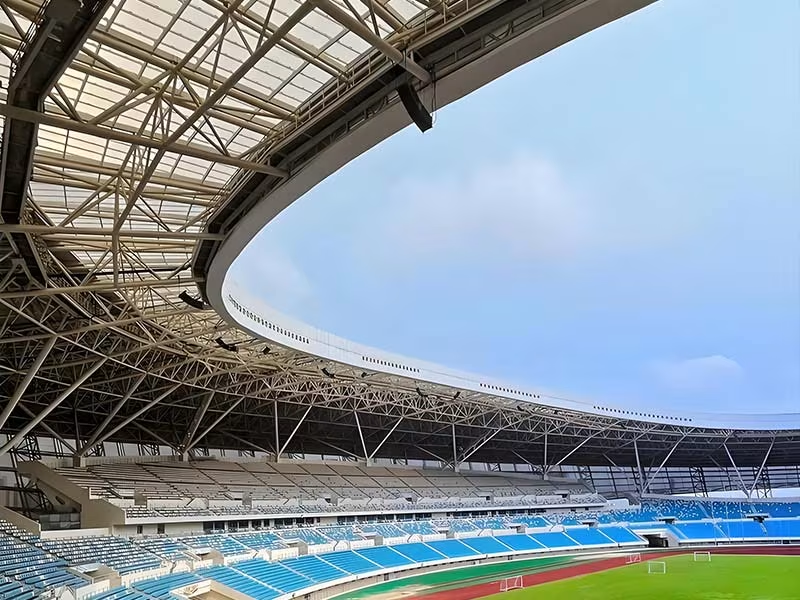
Residential steel trusses are widely used across different construction types due to their adaptability and structural performance.
Common applications:
- Modern residential housing developments
- Villa and luxury home roofing systems
- Prefabricated and modular housing projects
- Large-span garages and residential extensions
Their flexibility makes them suitable for both standard and complex architectural designs.
Conclusion
Selecting the right residential steel trusses supplier requires careful evaluation of manufacturing capability, engineering expertise, material quality, customization flexibility, and quality control systems. A reliable manufacturer ensures not only structural safety but also cost efficiency and construction stability.
From a production standpoint, direct cooperation with a capable manufacturer provides stronger technical support, stable supply capacity, and better overall project control. In residential construction projects where precision and durability are critical, choosing the right partner becomes a long-term investment in performance and reliability.
FAQ
Q1: What are residential steel trusses used for?
A1: Residential steel trusses are used to support roof structures in homes, villas, and prefabricated buildings. They provide high strength, stability, and long-span support compared to traditional wood systems.
Q2: Are residential steel trusses better than wood trusses?
A2: Yes, in most cases. Steel trusses offer higher load capacity, better durability, and resistance to fire, termites, and moisture, making them more suitable for long-term residential applications.
Q3: How long do residential steel trusses last?
A3: With proper galvanization and corrosion protection, residential steel trusses can last several decades, often exceeding the lifespan of traditional timber roof structures.
Q4: What factors affect the cost of residential steel trusses?
A4: Key factors include steel grade, design complexity, fabrication process, surface treatment, and project size. Custom designs and large-span structures generally increase cost.
Q5: Can residential steel trusses be customized for different house designs?
A5: Yes. Manufacturers can customize steel truss systems based on roof shape, load requirements, and architectural design, including prefabricated solutions for faster installation.
Continue reading
Shandong No.7 Construction Engineering Co., Ltd. is a large-scale modern construction enterprise integrating R&D, design, production, construction and general contracting of steel structures, with business covering both domestic and international markets.