High Capacity Oil Storage Tanks for Commercial and Industrial Use
Introduction
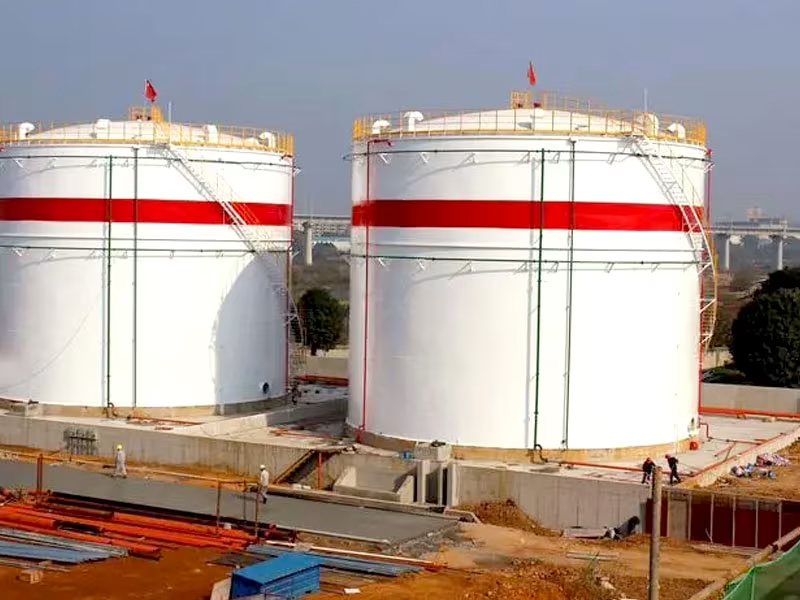
High capacity oil storage tanks play a critical role in modern industrial energy infrastructure. As global demand for petroleum, diesel, and industrial fuel storage continues to increase, companies are placing greater emphasis on safe, efficient, and large-scale storage systems.
These tanks are widely used in sectors such as oil refineries, power generation, marine fuel supply, and heavy industry operations. The main requirement across all applications is the same: reliable storage with high structural integrity, long service life, and strict safety compliance.
From a manufacturer’s perspective, the focus is not only on increasing storage capacity but also on improving durability, corrosion resistance, and operational safety in different environmental conditions.
What Is a High Capacity Oil Storage Tank?
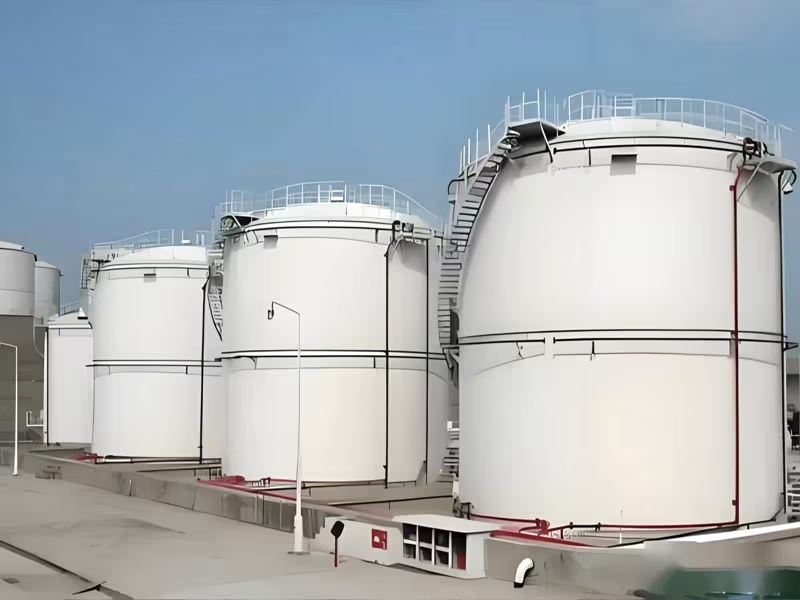
A high capacity storage oil tank is an industrial-grade storage system designed to hold large volumes of crude oil, diesel, fuel oil, or other petroleum-based liquids. Unlike standard storage tanks, these systems are engineered for bulk storage applications where continuous supply stability is required.
Typical features include reinforced tank walls, advanced sealing systems, and pressure control mechanisms to ensure safe operation under large load conditions.
In industrial use, capacity can range from several thousand liters to millions of liters depending on project requirements.
Oil Storage Tank Manufacturer Perspective: Design and Production Standards
As a professional oil storage tank manufacturer, product design and engineering precision are the foundation of quality production. Every tank is developed based on industrial standards and project-specific requirements.
Key manufacturing considerations include:
- Selection of high-strength carbon steel or stainless steel
- Anti-corrosion coating systems for extended service life
- Structural reinforcement for large-volume pressure stability
- Precision welding and non-destructive testing
- Compliance with international standards such as API 650
Manufacturing high capacity storage oil tanks requires strict quality control at every stage, from raw material selection to final pressure testing. This ensures long-term safety and performance in demanding industrial environments.
Types of High Capacity Storage Oil Tanks for Industrial Use
Above Ground Storage Oil Tanks (AST)
Above ground storage oil tanks are widely used due to their ease of installation and maintenance. They allow direct visual inspection and are commonly applied in refineries, fuel depots, and industrial plants.
Underground Storage Oil Tanks (UST)
Underground systems are designed for space-saving and environmental protection. They offer enhanced safety in urban or restricted areas where surface installation is not suitable.
Horizontal vs Vertical Storage Oil Tanks
| Type | Advantages | Typical Application |
|---|---|---|
| Horizontal Tank | Easy transport, simple installation | Mobile fuel stations, construction sites |
| Vertical Tank | High capacity efficiency, space-saving design | Refineries, industrial storage terminals |
Key Materials Used in Industrial Oil Storage Tank Construction
Material selection directly affects tank performance, safety, and lifespan.
Common materials include:
- Carbon steel: widely used for heavy-duty industrial storage
- Stainless steel: ideal for corrosion-resistant applications
- Fiberglass reinforced materials: used for chemical stability and lightweight systems
In addition, protective coatings such as epoxy and anti-corrosion linings are applied internally and externally to extend service life under harsh environmental conditions.
Oil Storage Tank Design and Engineering Considerations
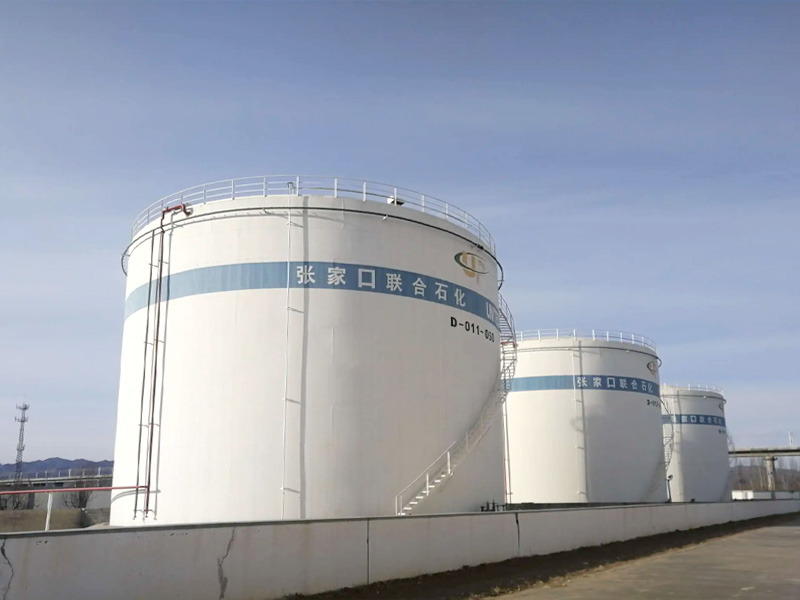
High capacity oil storage tank design involves multiple engineering factors to ensure safe and efficient operation.
Important design elements include:
- Structural load distribution for large-volume storage
- Venting systems for pressure regulation
- Double-wall construction for leakage prevention
- Reinforced foundations for long-term stability
- Thermal expansion allowance in varying climates
Proper engineering ensures that tanks maintain integrity even under continuous industrial usage.
Industrial Applications of High Capacity Oil Storage Tanks
High capacity oil storage tanks are essential in multiple industries:
- Petroleum refining and distribution systems
- Power plants requiring fuel oil storage
- Marine fuel supply and shipping operations
- Construction sites with heavy machinery fuel demand
- Agricultural fuel storage and bulk supply systems
Each application requires specific tank configurations depending on storage volume, fuel type, and environmental conditions.
Oil Storage Tank Safety, Compliance, and Environmental Protection
Safety is a core requirement in oil storage system design.
Key safety measures include:
- Leak detection and containment systems
- Fire-resistant design and explosion risk reduction
- Environmental spill control structures
- Routine inspection and maintenance schedules
- Compliance with international safety regulations
Proper safety management reduces operational risks and ensures environmental protection.
Oil Storage Tank Installation and Maintenance Guidelines
Correct installation is essential for long-term tank performance.
Installation process includes:
- Site preparation and geotechnical evaluation
- Foundation construction based on load requirements
- Tank assembly and welding inspection
- Pressure testing and sealing verification
Maintenance practices:
- Regular internal inspection and cleaning
- Corrosion monitoring and coating repair
- Valve and vent system checks
- Structural integrity assessments
A well-maintained tank significantly extends operational lifespan and reduces downtime.
How to Choose the Right High Capacity Oil Storage Tank Supplier
Selecting the right supplier is a key decision for industrial projects.
Important evaluation factors:
- Direct manufacturer vs trading company sourcing
- Custom engineering capability
- Production capacity and delivery reliability
- Compliance with international standards
- After-sales technical support
Working directly with a manufacturer ensures better cost control, engineering customization, and consistent quality assurance.
Cost Factors of High Capacity Oil Storage Tanks
Several factors influence overall pricing:
- Raw material selection (steel grade, thickness)
- Tank capacity and structural complexity
- Custom design requirements
- Transportation and installation costs
- Long-term maintenance requirements
Understanding these factors helps buyers optimize investment decisions for industrial projects.
Advantages of Working with a Professional Oil Storage Tank Manufacturer
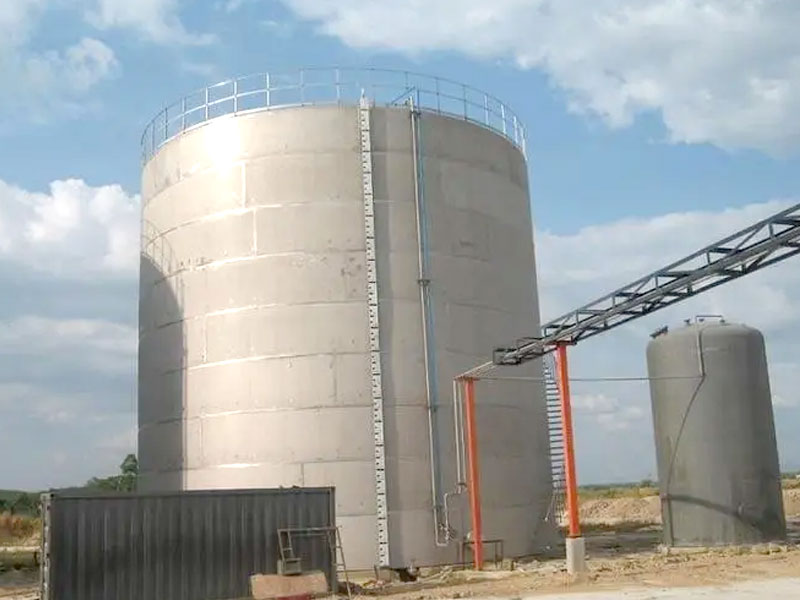
Choosing an experienced manufacturer provides multiple benefits:
- Factory-direct pricing without intermediaries
- Custom-designed solutions for specific industries
- Strict quality control and testing procedures
- Scalable production for large industrial orders
- Engineering support from design to installation
As a manufacturer, delivering reliable, durable, and compliant oil storage systems is essential to meet global industrial demands.
Conclusion
High capacity oil storage tanks are a fundamental component of industrial energy infrastructure. Their role extends beyond simple storage, directly impacting operational efficiency, safety, and long-term sustainability.
From engineering design to material selection and manufacturing precision, every detail contributes to overall system performance. Industries such as oil refining, power generation, and logistics depend on these systems to ensure continuous and safe fuel supply.
For manufacturers, focusing on structural integrity, customization capability, and compliance with international standards is essential to remain competitive in the global market. A well-designed oil storage tank is not only an industrial asset but also a long-term investment in operational reliability and safety.
FAQ
What is a high capacity storage oil tank used for?
High capacity storage oil tanks are used for large-scale storage of crude oil, diesel, fuel oil, and other petroleum products in industries such as refineries, power plants, and marine fuel systems.
What materials are commonly used in oil storage tank manufacturing?
Most industrial oil storage tanks are made from carbon steel, stainless steel, or fiberglass-reinforced materials, often combined with anti-corrosion coatings for durability.
What is the difference between above ground and underground oil storage tanks?
Above ground tanks are easier to install and maintain, while underground tanks save space and offer better environmental protection and safety in restricted areas.
How long does a high capacity oil storage tank last?
With proper manufacturing quality, corrosion protection, and regular maintenance, industrial oil storage tanks can last 20–30 years or more depending on operating conditions.
How do I choose the right storage oil tank manufacturer?
Choose a manufacturer with strong engineering capability, international standard compliance (such as API 650), customization options, and proven industrial project experience.
Continue reading


Shandong No.7 Construction Engineering Co., Ltd. is a large-scale modern construction enterprise integrating R&D, design, production, construction and general contracting of steel structures, with business covering both domestic and international markets.