Everything You Need to Know About Commercial Water Storage Tanks
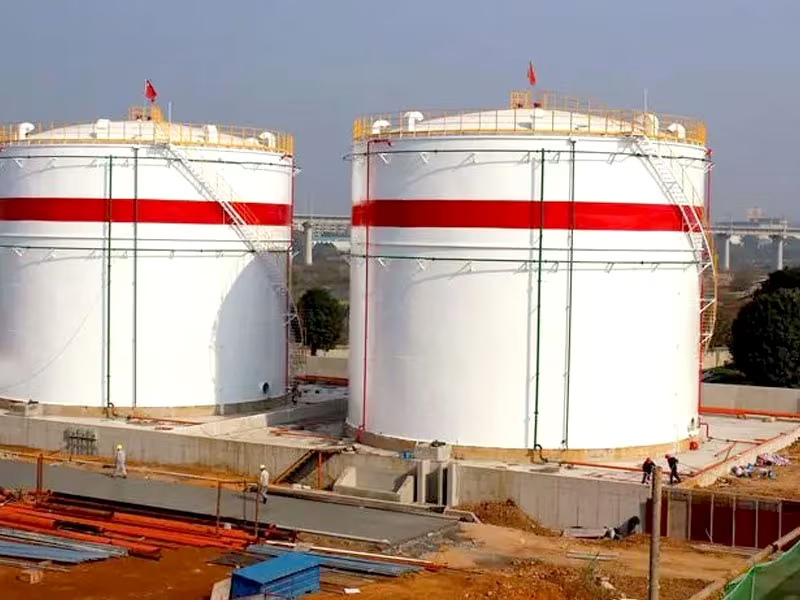
What Are Commercial Water Storage Tanks and Why They Matter
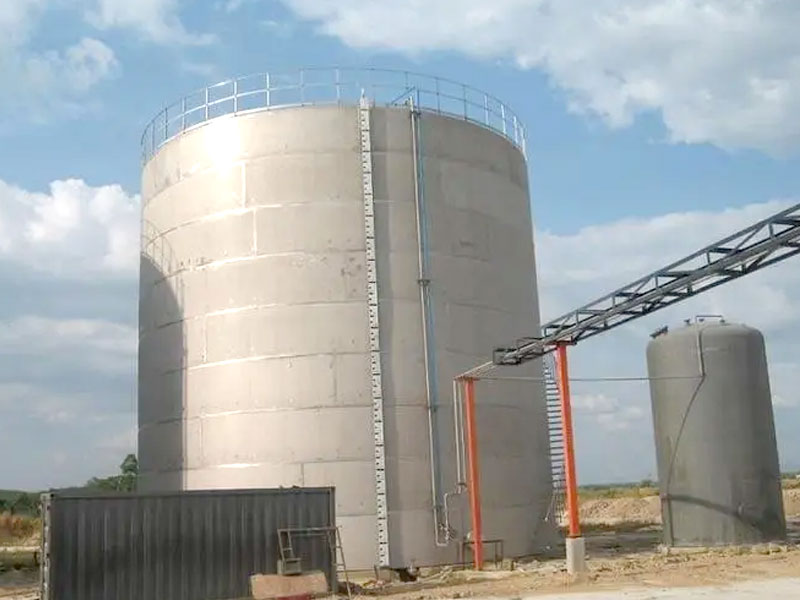
Commercial water storage tanks are large-capacity systems designed to store, regulate, and supply water for industrial, commercial, and municipal applications. They are widely used in environments where stable water availability is essential for daily operations, safety systems, and production processes.
From manufacturing plants to hotels and hospitals, these systems ensure uninterrupted water supply even during peak demand or emergency situations. In modern infrastructure, they are not just storage units—they are a critical part of water management systems.
Key related concepts often associated with commercial water storage tanks include:
- Industrial water storage systems
- Bulk liquid storage tanks
- Water buffering systems
- Emergency water reserve tanks
Key industries relying on commercial water storage tanks
- Construction and infrastructure projects
- Food and beverage production facilities
- Hospitals and healthcare centers
- Commercial buildings and hotels
- Fire protection systems
Types of Commercial Water Storage Tanks Available in the Market
Different projects require different storage solutions. Choosing the right type of commercial water storage tank depends on capacity needs, installation space, and operational requirements.
Main tank structures
- Above-ground water storage tanks
- Underground water storage tanks
- Modular sectional tanks
- Vertical cylindrical tanks
- Horizontal storage tanks
Material-based classification
| Material Type | Advantages | Common Applications |
|---|---|---|
| Stainless Steel | High durability, corrosion resistance, hygienic | Food industry, hospitals |
| HDPE / Plastic | Lightweight, cost-effective, easy installation | Agriculture, general storage |
| Fiberglass (FRP) | Strong chemical resistance, long lifespan | Industrial and chemical use |
| Concrete | Extremely stable, large-scale storage | Municipal water systems |
Each material serves a different operational environment, and selecting the right one directly affects long-term performance and maintenance cost.
Commercial Water Storage Tank Materials and Performance Differences
Material selection is one of the most important factors in determining the durability and efficiency of a water storage system.
Stainless steel tanks are widely used in hygiene-sensitive industries due to their clean surface and corrosion resistance. HDPE tanks offer cost efficiency and flexibility, making them ideal for general-purpose storage. Fiberglass tanks perform well in chemically aggressive environments, while concrete tanks are suitable for large-scale municipal infrastructure.
Other performance considerations include:
- Temperature resistance
- Pressure tolerance
- UV resistance for outdoor installations
- Water quality preservation capability
How Commercial Water Storage Tanks Are Manufactured (Factory Perspective)
As a direct manufacturer of commercial water storage tanks, production quality control is at the core of every system delivered to global clients. The manufacturing process is designed to ensure structural integrity, safety, and long service life.
Production process overview
- Raw material inspection and selection
- Precision cutting and forming
- Welding or molding assembly
- Surface treatment and anti-corrosion coating
- Pressure testing and leak inspection
Every tank undergoes strict quality control before delivery, ensuring compliance with industrial standards and international project requirements.
OEM and customization capabilities
Manufacturers often provide flexible solutions such as:
- Custom tank capacity design
- Structural modifications for project conditions
- Private label production (OEM/ODM)
- Engineering support for large-scale installations
Key Applications of Commercial Water Storage Tanks in Real Projects
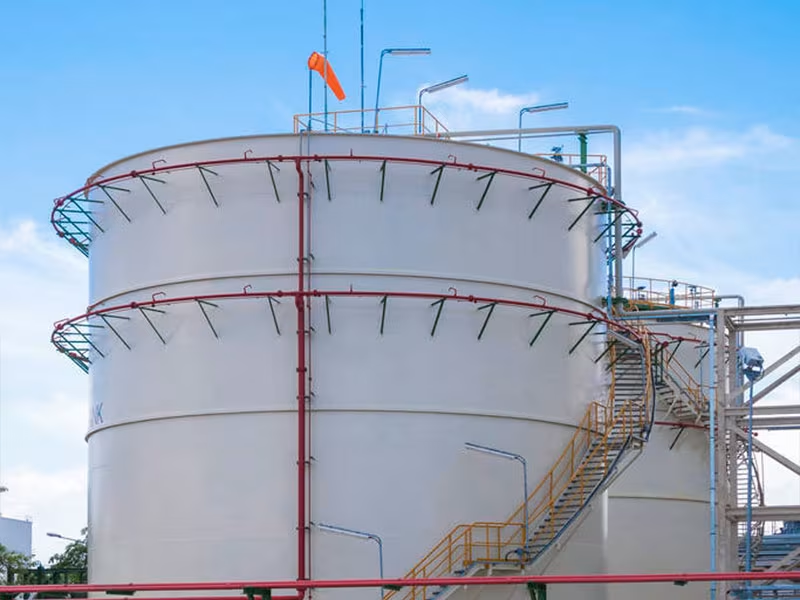
Commercial water storage tanks are used across multiple industries where water stability is essential for operations and safety systems.
Common applications include:
- Industrial process water storage
- Firefighting reserve systems
- Municipal water distribution systems
- Rainwater harvesting and reuse systems
- Construction site water supply
Industry deployment examples
- High-rise commercial buildings
- Manufacturing factories
- Agricultural irrigation systems
- Mining and remote infrastructure projects
How to Choose the Right Commercial Storage Tank for Your Project
Selecting the right tank requires careful evaluation of both technical and environmental factors.
Key selection criteria include:
- Required storage capacity
- Water type (potable or non-potable)
- Installation environment (indoor/outdoor/underground)
- Material compatibility
- Compliance with safety and regulatory standards
Common mistakes buyers should avoid
- Underestimating daily water demand
- Choosing materials unsuitable for local climate conditions
- Ignoring maintenance accessibility
- Overlooking installation foundation requirements
Proper selection helps reduce long-term operational costs and improves system reliability.
Commercial Water Storage Tank Installation and Maintenance Guide
Correct installation plays a critical role in ensuring tank performance and durability.
Installation essentials
- Stable foundation construction
- Proper alignment and leveling
- Secure pipeline connection
- Integration with pumping systems
Regular maintenance ensures long service life and stable water quality.
Maintenance best practices
- Routine sediment removal
- Leak and corrosion inspections
- Internal cleaning and disinfection
- Monitoring structural integrity
Commercial Water Storage Tank Pricing Factors and Cost Analysis
Pricing varies depending on multiple technical and logistical factors.
| Cost Factor | Impact Level | Description |
|---|---|---|
| Material Type | High | Stainless steel is more expensive than HDPE |
| Capacity | High | Larger tanks require more materials and engineering |
| Custom Design | Medium-High | OEM modifications increase production cost |
| Installation | Medium | Site complexity affects total budget |
| Transportation | Medium | Export distance and logistics influence final price |
Cost optimization strategies
- Working directly with manufacturers
- Bulk order procurement
- Standardized design selection
- Long-term maintenance planning
Why Choose a Direct Manufacturer for Commercial Water Storage Tanks
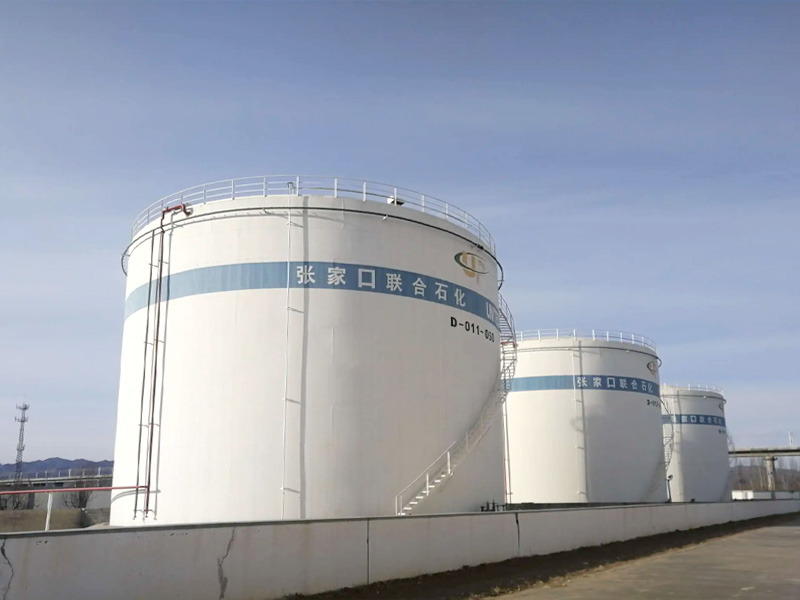
Working directly with a manufacturer offers significant advantages for project developers and distributors.
Key benefits include:
- Factory-direct pricing without middlemen
- Consistent production quality control
- Custom engineering support for large projects
- Faster production and delivery cycles
As a manufacturer, we focus on providing scalable water storage solutions that meet international standards while supporting OEM and customized requirements for global clients.
Conclusion
Commercial water storage tanks are an essential component of modern industrial and commercial infrastructure. From material selection and manufacturing processes to installation and long-term maintenance, each stage plays a critical role in system performance and reliability.
For buyers and project developers, working directly with an experienced manufacturer ensures better cost control, stable product quality, and tailored engineering solutions that match real project needs.
As demand for efficient water storage continues to grow worldwide, advanced manufacturing techniques and smart water management systems will continue to drive the evolution of this industry.
FAQ
What is a commercial water storage tank used for?
A commercial water storage tank is used to store large volumes of water for industrial, commercial, and public facilities. It supports daily operations, emergency supply, fire protection systems, and production processes.
What materials are best for commercial water storage tanks?
The most common materials include stainless steel, HDPE, fiberglass (FRP), and concrete. Stainless steel is preferred for hygiene-sensitive industries, while HDPE is widely used for cost-effective storage solutions.
How long does a commercial water storage tank last?
The lifespan depends on the material and maintenance. High-quality stainless steel or fiberglass tanks can last 15–30 years or more, while HDPE tanks typically last 10–20 years under proper conditions.
How do I choose the right size commercial water storage tank?
The size depends on daily water consumption, peak demand, and backup requirements. Industrial facilities usually require larger capacities, while commercial buildings often choose modular or medium-sized systems.
Can commercial water storage tanks be customized by manufacturers?
Yes. Most manufacturers offer OEM and custom solutions, including capacity design, material selection, structural adjustments, and branding to meet specific project requirements.
Continue reading
Shandong No.7 Construction Engineering Co., Ltd. is a large-scale modern construction enterprise integrating R&D, design, production, construction and general contracting of steel structures, with business covering both domestic and international markets.