Steel Corrosion Protection: Coatings, Galvanizing, and Inspection Guide
Introduction: Start with the Exposure, Not the Product
Choosing a finish for structural steel is not a color-selection exercise. The right steel corrosion protection system depends on where the building will stand, what happens inside it, how moisture moves through it, and whether future maintenance crews can reach the steel safely. A workshop with dry indoor exposure has different needs from a coastal warehouse, a chemical-processing building, or an open-sided canopy.
Owners often ask whether paint or hot-dip galvanizing is 鈥渂etter.鈥?That question is too broad. A practical decision starts with the exposure environment, intended service life, fabrication details, inspection plan, appearance requirements, and maintenance strategy. This guide explains how to turn those project conditions into a clear steel corrosion protection specification that designers, fabricators, applicators, inspectors, and contractors can actually follow.
Why Steel Corrosion Protection Must Be Project-Specific
Corrosion needs more than exposed steel. It is accelerated by combinations of moisture, oxygen, salts, pollutants, chemicals, temperature changes, and deposits that hold water against a surface. For steel corrosion protection, those conditions vary across countries, sites, buildings, and even different zones within one building. Steel near a frequently opened loading door may experience more condensation than members deeper inside. Steel below a leaking gutter may deteriorate long before the rest of the frame.
Effective steel corrosion protection therefore begins with a map of actual exposure. It should distinguish enclosed dry areas, humid production zones, external steel, splash zones, buried interfaces, roof drainage paths, and locations exposed to process chemicals. The map becomes the basis for coating selection, detailing, quality control, and maintenance access.
Step 1: Define the Corrosive Environment
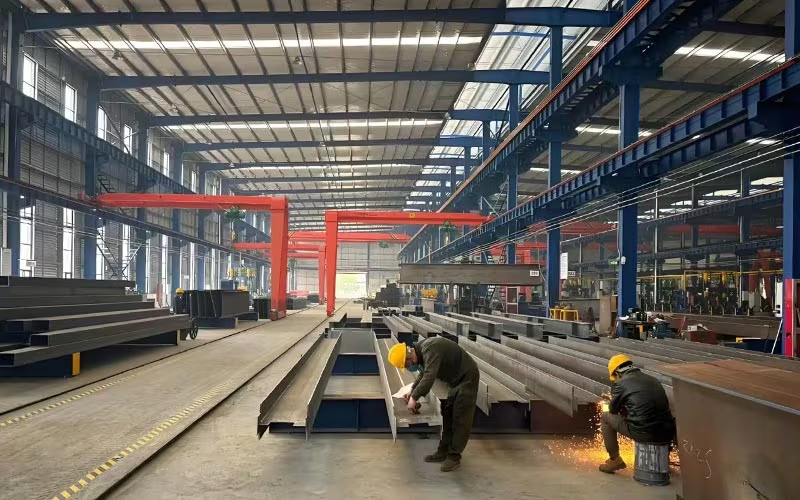
Before selecting steel corrosion protection, document the factors that can attack the steel. Start with the outdoor climate: humidity, rainfall, coastal salt, airborne industrial contaminants, temperature range, and wet-dry cycling. Then study the building operation. Washdown water, steam, chemical vapor, dust, refrigeration, livestock activity, and open doors can create a more aggressive internal environment than local weather data suggests.
le ISO 12944 series provides a widely recognized framework for classifying atmospheric environments and specifying protective paint systems. In steel corrosion protection planning, it is useful because it connects exposure categories with coating-system selection, but the project team still has to classify the real site correctly. A standard cannot compensate for missing information about condensation, chemical contact, or poor drainage.
- Identify whether structural members are internal, external, sheltered, or directly weather-exposed.
- Record humidity, condensation, salt, pollution, chemicals, abrasion, and cleaning methods.
- Separate normal zones from local high-risk areas such as gutters, floor interfaces, and ventilation outlets.
- Define the expected interval before major maintenance, without treating it as a guarantee of service life.
For an industrial structure d'acier, this exposure brief should be issued before the final paint system, member details, and fabrication sequence are approved. It turns steel corrosion protection from a generic note into a project requirement.
Step 2: Compare Paint, Galvanizing, and Duplex Systems
The three common routes for steel corrosion protection are protective paint, hot-dip galvanizing, and a duplex system that combines galvanizing with paint. Specialized systems may be necessary for immersion, buried steel, high heat, severe chemical exposure, or food-processing environments. The project engineer and coating specialist should confirm compatibility with the actual conditions.
| System | Where It Often Fits | Key Advantages | Important Constraints |
|---|---|---|---|
| Protective paint system | Large fabricated members, controlled shop application, projects requiring specific colors | Wide range of chemistries and finishes; easier local repair | Performance depends heavily on surface preparation, application conditions, and film continuity |
| Galvanisation à chaud | Outdoor steel, repetitive components, exposed secondary steel, hard-to-maintain areas | Metallurgically bonded zinc coating with barrier and sacrificial protection | Member size, venting, drainage, distortion risk, appearance, and post-galvanizing work must be considered in design |
| Duplex system | Severe environments, color-critical work, projects seeking layered protection | Combines zinc protection with an additional paint barrier | Requires compatible preparation and coating products for galvanized surfaces |
| Specialized lining or coating | Chemical contact, immersion, buried zones, high-temperature service | Can address a narrowly defined exposure | Must be selected from verified product data and applied under controlled conditions |
le Association for Materials Protection and Performance explains how protective coatings isolate a substrate from the corrosive environment. For hot-dip galvanizing, the American Galvanizers Association describes the combined barrier and cathodic action of zinc. Steel corrosion protection based on general hot-dip galvanized coatings should also follow the applicable edition of ISO 1461 and local requirements.
Do not select steel corrosion protection from a single headline property. Compare the complete system: preparation, primer, intermediate coats, finish, nominal film thickness, edge treatment, repair method, handling damage, inspection, and future maintenance.
Step 3: Design Details That Reduce Corrosion Risk
A durable coating cannot rescue a detail that traps water continuously. Good steel corrosion protection is partly a design task. Steel should drain, dry, and remain accessible for inspection wherever possible. Horizontal ledges, narrow crevices, unsealed overlapping plates, dead-end hollow sections, and poorly positioned downpipes can create persistent wet zones.
Designers should provide drainage paths, avoid inaccessible pockets, seal or ventilate hollow sections as required, and coordinate roof water before fabrication. Sharp edges deserve attention because liquid coatings tend to pull away from them, leaving lower film build than on broad surfaces. Steel corrosion protection is more reliable when edge rounding and stripe coating improve coverage where the specification requires it.
When galvanizing is planned, holes for venting and drainage must be coordinated with the galvanizer before shop drawings are released. Welding sequence, member symmetry, and fabrication tolerances may also affect distortion risk. The steelwork design and steel corrosion protection method should be developed together, not passed between separate teams after detailing is complete.
Step 4: Treat Surface Preparation as a Controlled Process
Surface preparation is one of the strongest influences on coating performance. Mill scale, rust, oil, welding residue, dust, moisture, and soluble salts can interfere with adhesion or promote corrosion beneath the film. A steel corrosion protection specification must state the required preparation standard, cleanliness, surface profile where relevant, and method for confirming that the surface is ready.
Abrasive blasting is common for high-performance paint systems, but the required result depends on the coating manufacturer鈥檚 data and project specification. For steel corrosion protection to perform as specified, the prepared surface must be protected from flash rust, contamination, and excessive delay before priming. Site-applied touch-up areas need the same discipline, even when access and weather make the work less convenient.
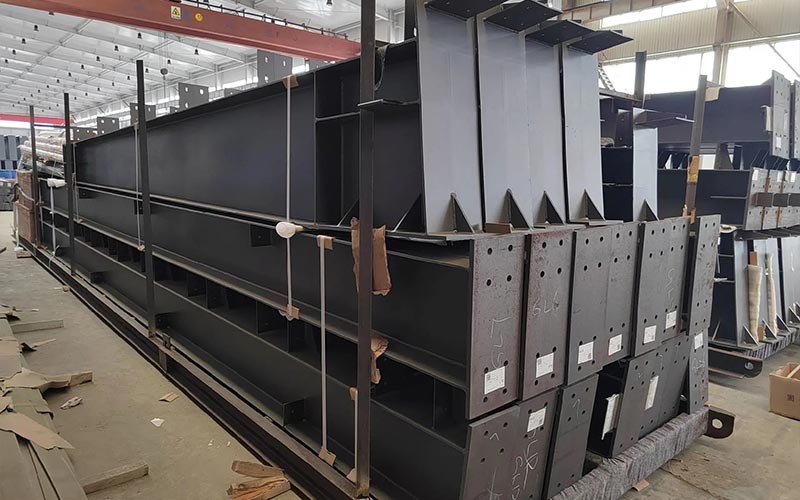
Fabrication quality matters too. Weld spatter, rough welds, temporary attachments, and sharp thermal-cut edges should be addressed before coating. Integrating these checks into workshop control is easier than repairing them after steel arrives on site. Our guide to choosing a steel structure supplier explains why fabrication records and inspection capability should be reviewed alongside production capacity.
Step 5: Write a Coating Specification That Can Be Inspected
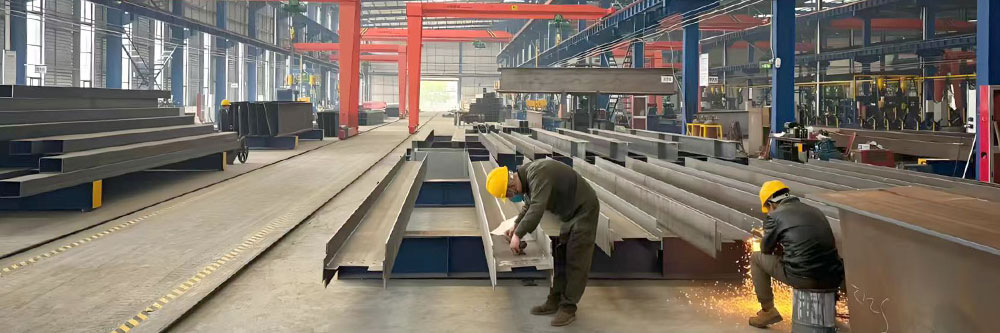
鈥淎pply anti-rust paint鈥?is not an enforceable specification. A useful steel corrosion protection document identifies the exposure category, required system, approved product family, number of coats, color sequence where useful, target thickness, preparation grade, edge treatment, application limits, repair procedure, inspection points, and acceptance records.
State whether thickness values apply to each coat or the total system, and define how readings will be taken and evaluated. A steel corrosion protection schedule should include restrictions for surface temperature, relative humidity, dew point margin, rain, dust, and curing between coats based on the coating manufacturer鈥檚 current product data. If fire-protective materials will be applied, confirm compatibility between the corrosion-control primer and the fire protection system.
The specification should also divide responsibility. Who approves products? Who checks environmental conditions? Who records batch numbers? Who inspects shop work, transport damage, field welds, bolts, and touch-up? Clear ownership prevents steel corrosion protection from becoming an untracked activity between fabrication and erection.
Step 6: Inspect During Fabrication and Erection
Final visual inspection alone cannot confirm whether the substrate was clean or whether each coat cured properly. Steel corrosion protection quality should be checked at defined hold points. Steel corrosion protection records typically include surface condition, preparation grade, ambient conditions, coating batch details, wet or dry film measurements as applicable, curing intervals, repair locations, and inspector acceptance.
- Inspect fabrication before surface preparation so defects are corrected early.
- Confirm cleanliness and profile before primer application.
- Record conditions and film thickness for each specified stage.
- Protect finished steel during storage, lifting, transport, and erection.
- Repair field welds, damaged edges, lifting points, and abraded areas using the approved procedure.
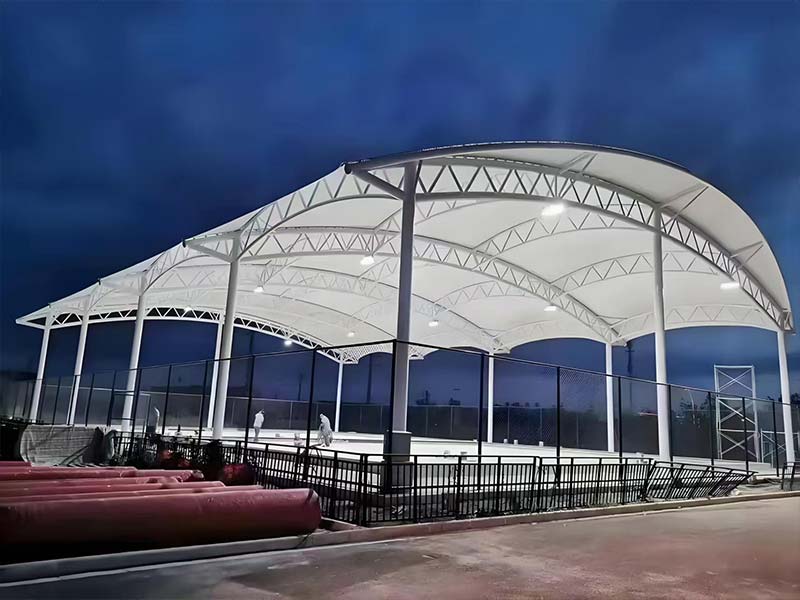
The inspection plan should be practical for the chosen structure. A large-span steel structure may have extensive elevated surfaces and complex nodes, while a standard industrial frame may use repeated accessible members. Access after erection affects how steel corrosion protection is inspected and maintained.
Plan Maintenance Before the Steel Is Delivered
No steel corrosion protection system should be treated as permission to ignore the structure. Inspection intervals should reflect exposure and operational consequences. Early maintenance is usually more manageable than waiting for widespread coating breakdown, section loss, water ingress, or contamination of adjacent work areas.
The steel corrosion protection handover package should identify the applied system, product data, colors, thickness records, repair products, photographs, high-risk locations, and recommended inspection approach. Facility teams should watch for rust staining, blistering, cracking, flaking, impact damage, failed sealants, blocked drainage, persistent condensation, and chemical spills.
Maintenance access belongs in the original design. If gutters, roof nodes, or external bracing cannot be reached safely, even a well-chosen steel corrosion protection system may become difficult to manage. For operational planning around access and future changes, see our steel structure workshop design guide.
Procurement Checklist for Project Owners
Procurement teams do not need to become coating chemists, but they do need comparable bids. Ask every bidder to respond to the same steel corrosion protection requirements and identify exclusions clearly.
- What exposure categories and local risk zones were assumed?
- What complete paint, galvanizing, or duplex system is proposed?
- How will members be prepared, handled, stored, and transported?
- Which design details must change to suit galvanizing or coating access?
- Which inspections, test instruments, records, and hold points are included?
- How will bolts, field welds, damaged areas, and cut edges be repaired?
- What information will be provided for maintenance and future touch-up?
A bid that names only a paint color or generic coating type is incomplete. It may hide different assumptions about preparation, film build, inspection, and repair. The comparison should cover the full steel corrosion protection process, not only material supply.
Common Corrosion Protection Mistakes
The most expensive problems often begin as coordination failures rather than unusual chemistry. Common steel corrosion protection mistakes include copying a specification from another climate, ignoring internal humidity, choosing products before confirming exposure, leaving edges and welds untreated, applying coatings outside permitted conditions, and accepting undocumented touch-up after erection.
Another mistake is assuming that more total thickness automatically means better performance. Excessive or poorly controlled application can create its own defects. Product compatibility, preparation, recoat windows, curing, and workmanship are all part of the system. Follow current technical data and project-specific engineering advice.
Finally, do not design enclosed pockets and expect the coating crew to solve them. Drainage, ventilation, access, and fabrication details are core parts of steel corrosion protection.
How an Integrated Steel Structure Contractor Helps
Corrosion control crosses several contracts: structural design, detailing, fabrication, coating or galvanizing, transport, erection, roofing, drainage, and commissioning. An integrated contractor can coordinate steel corrosion protection decisions with member geometry, welding, lifting points, delivery sequence, and site repair requirements.
Shandong No.7 Construction supports industrial and commercial projects through steel detailing, fabrication, delivery, and construction coordination. Our commercial steel structure solutions and broader engineering and construction services can be developed around the project鈥檚 loads, building function, exposure conditions, finish requirements, and installation plan.
Before requesting a proposal, prepare the site location, building use, structural concept, exposure information, desired appearance, maintenance expectations, and governing standards. Those inputs allow the project team to discuss steel corrosion protection as an engineered system rather than a late-stage paint choice.
Frequently Asked Questions
What is the best corrosion protection method for structural steel?
There is no universal best method. Steel corrosion protection should match atmospheric exposure, chemical contact, member design, appearance, access, expected maintenance, and applicable standards. Paint, galvanizing, and duplex systems each have appropriate uses.
Is hot-dip galvanizing always better than paint?
No. Galvanizing provides zinc-based barrier and sacrificial protection, while paint systems offer broad chemistry and color options. Member size, fabrication details, exposure, transport, repair, and maintenance access should guide the selection.
Why is surface preparation important before painting steel?
Coatings need a clean and suitably prepared substrate to adhere and perform. Rust, mill scale, oil, dust, salts, moisture, and fabrication residue can weaken the steel corrosion protection system or encourage underfilm corrosion.
What coating inspection records should an owner receive?
Records should reflect the project specification and may include preparation acceptance, ambient conditions, product and batch details, coat sequence, thickness readings, curing intervals, repair locations, photographs, and final approval.
What information is needed before requesting a corrosion protection proposal?
Provide the site, climate, building use, internal processes, structural drawings, exposed zones, desired finish, governing standards, service expectations, transport constraints, and maintenance access. Better input produces a more comparable steel corrosion protection proposal.
Build the Protection System Around Real Conditions
Reliable steel corrosion protection is the result of connected decisions. Classify the environment, choose a complete system, design out water traps, control preparation, inspect each critical stage, protect finished work during erection, and hand over useful maintenance records. Skipping any one of those steps can weaken the rest.
If you are planning a warehouse, workshop, commercial building, large-span roof, or other structural steel project, contact Shandong No.7 Construction with your location, building use, drawings, exposure conditions, and delivery requirements. Our team can review how fabrication, finish selection, logistics, and erection should be coordinated for a practical steel corrosion protection plan.
Continuer la lecture
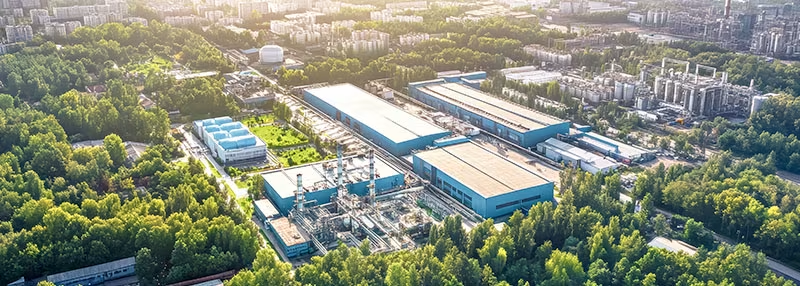
1TP2 T est une entreprise de construction moderne à grande échelle intégrant la R & D, la conception, la production, la construction et la passation de contrats généraux de structures en acier, avec des activités couvrant à la fois les marchés nationaux et internationaux.