What Are Space Frame Structures and How Are They Used in Modern Construction?
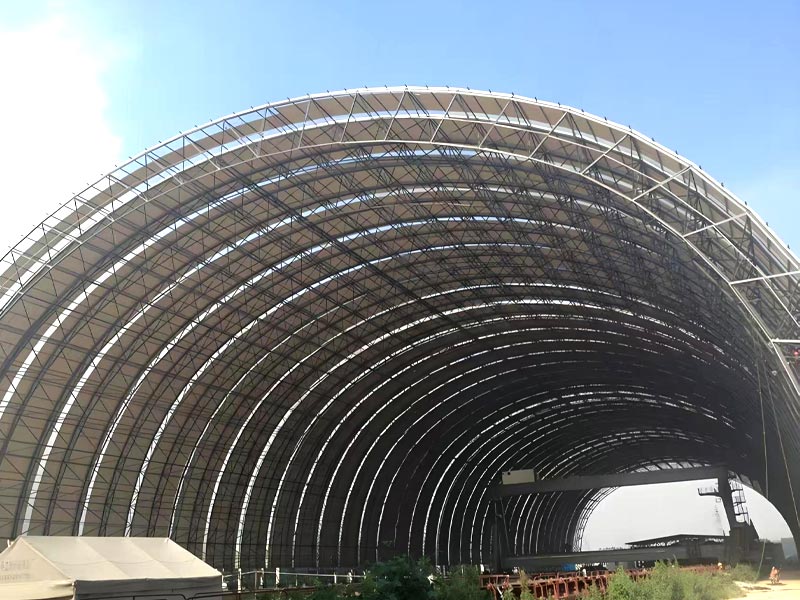
Space frame structures are transforming modern architecture. Unlike conventional buildings that rely heavily on walls and columns, space frames use a network of interconnected struts, forming a three-dimensional lattice. This design distributes loads efficiently, enabling wide spans and open interiors without compromising structural integrity.
In today’s construction landscape, space frames are a popular choice for large-scale projects like stadiums, airports, and exhibition halls. Their combination of strength, flexibility, and visual appeal makes them a go-to solution for architects and engineers seeking innovative structural systems.
Understanding Space Frame Structures
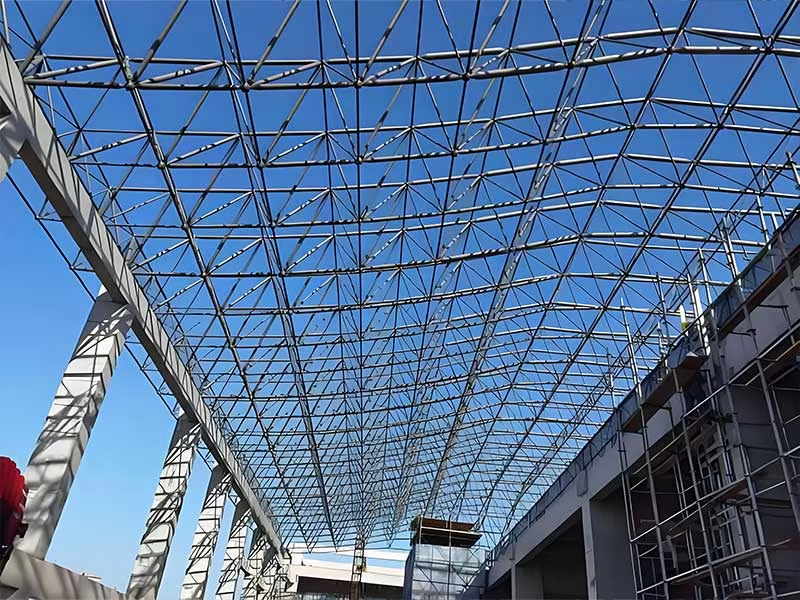
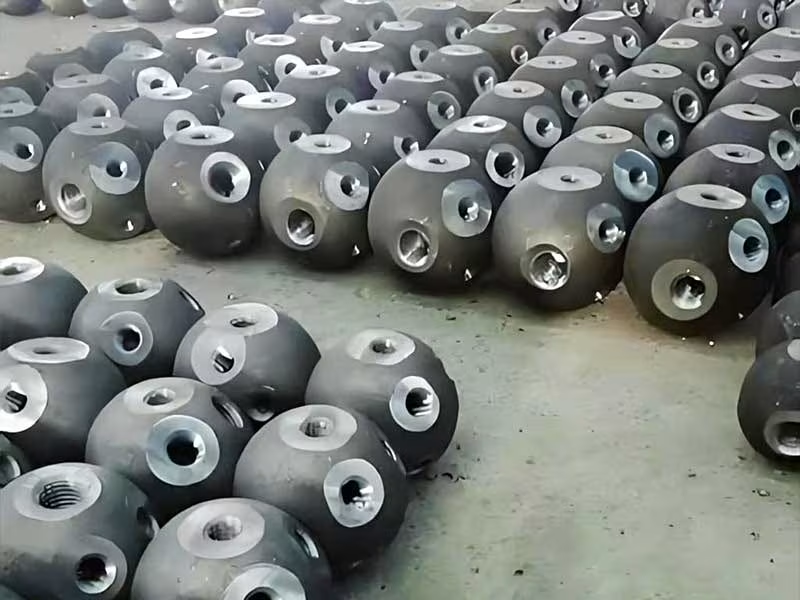
At their core, space frame structures are a system of nodes and struts. Triangular, tetrahedral, or double-layer grids create rigidity while minimizing material use.
Key features include:
- Versatility: Suitable for roofs, facades, and entire structural frameworks.
- Load Distribution: Forces are evenly spread across the frame, reducing stress points.
- Lightweight Design: Structural efficiency allows for larger spans with less material.
These characteristics make space frames ideal for projects that demand open spaces, such as commercial complexes and transport hubs.
Exploring Different Types
Space frame systems vary based on materials, geometry, and application.
Steel Space Frames
Favored for their high strength and longevity, steel frames provide reliable support for large commercial and industrial buildings.
Aluminum and Lightweight Frames
Aluminum frames resist corrosion and are easier to handle on-site, making them suitable for temporary structures or areas with lower load requirements.
Prefabricated and Modular Systems
Components are manufactured off-site and assembled on-site. This approach ensures precision, speeds up construction, and allows customization for unique architectural designs.
Large Span Structures
Designed to cover vast areas without internal columns, these frames are essential for stadiums, airports, and exhibition halls.
Why Builders Choose Space Frame Structures
Strength Meets Design Flexibility
The geometric lattice distributes forces efficiently, allowing architects to push creative boundaries. Buildings gain both visual appeal and structural stability.
Durability and Low Maintenance
Quality space frames withstand environmental stress over time, minimizing repairs and extending lifespan.
Efficiency in Construction
Prefabricated and modular systems reduce assembly time, lower on-site labor requirements, and simplify large-scale project management.
How Space Frames Are Designed
Designing a space frame requires careful planning and analysis.
- Geometrical Planning: Triangular and tetrahedral configurations create inherent stability.
- Structural Analysis: Engineers calculate load paths to ensure the frame can withstand live and dead loads.
- Integration with Architecture: Space frames support roofs, skylights, and cladding systems seamlessly, allowing architects to achieve innovative designs.
Every detail, from node connections to material choice, affects overall performance.
Behind the Scenes: Manufacturing and Fabrication
The manufacturing process determines both quality and durability.
- Material Selection: Steel and aluminum are chosen for their structural properties and resistance to environmental factors.
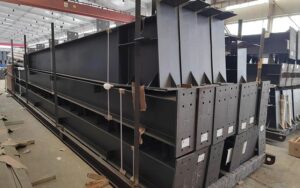
- Precision Fabrication: Prefabricated modules are cut, welded, and tested in controlled environments to guarantee accuracy.
- Quality Control: Components are rigorously inspected for alignment, strength, and compliance with engineering standards.
A well-fabricated frame ensures smooth installation and long-term reliability.
Assembling Space Frame Structures
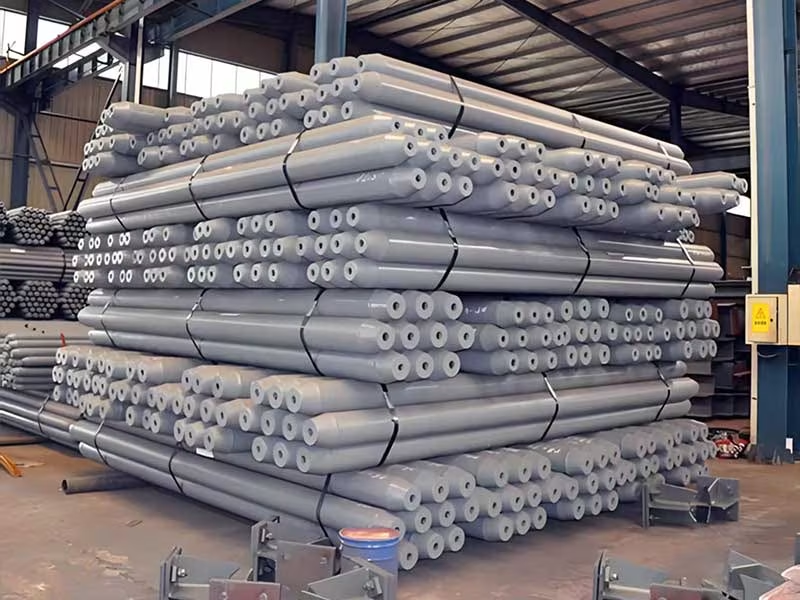
Installation is where design meets reality.
- Site Preparation: Accurate foundation work ensures load is properly supported.
- Modular Assembly: Components are joined at node points, creating a secure and stable framework.
- Safety Protocols: On-site teams follow strict guidelines to prevent accidents and maintain project timelines.
Efficient assembly is crucial, especially for large-scale, column-free constructions.
Applications That Showcase Innovation
Space frame structures appear across multiple industries:
- Commercial Halls and Exhibition Spaces: Open interiors accommodate flexible layouts and large crowds.
- Sports Arenas: Column-free designs improve sightlines and audience experience.
- Airports and Transit Terminals: Large span coverage allows functional and aesthetic design.
- Industrial Warehouses: Maximizes usable space and accommodates heavy machinery efficiently.
Their adaptability makes space frames a preferred choice for projects demanding both performance and style.
Ensuring Longevity
Maintenance extends the lifespan of a space frame structure:
- Regular Inspection: Focus on joints, node connections, and support beams.
- Protective Treatments: Coatings and galvanization prevent corrosion in steel structures.
- Module Replacement: Prefabricated components can be replaced individually, minimizing disruption.
Proactive care keeps these structures safe and operational for decades.
Choosing a Space Frame Manufacturer
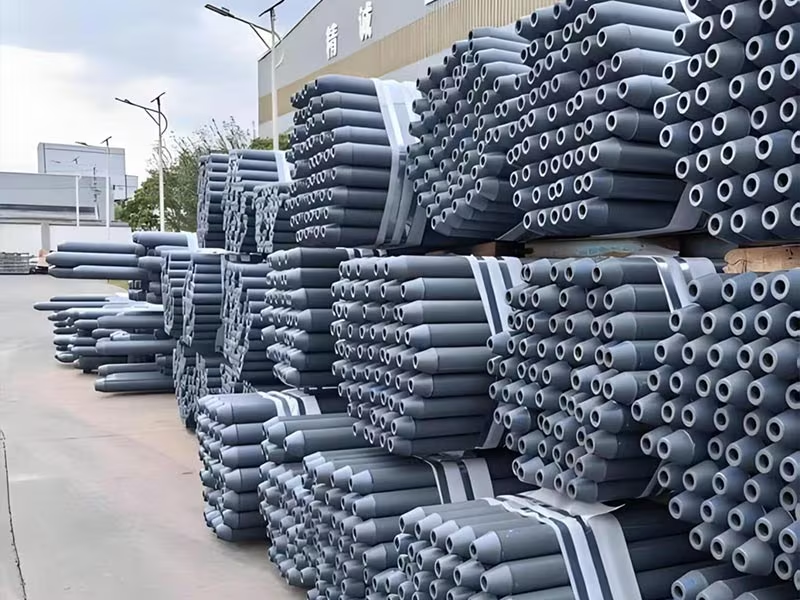
Selecting the right partner ensures project success.
- Experience Matters: Look for manufacturers with a proven track record in steel, prefabricated, and modular frames.
- Customization Capabilities: Ensure the manufacturer can meet your project’s unique requirements.
- Portfolio Review: Examine past projects to gauge expertise, reliability, and execution quality.
A trusted manufacturer is critical for achieving both structural excellence and aesthetic goals.
Final Thoughts
Space frame structures are redefining modern construction, offering unmatched flexibility, durability, and design possibilities. As a manufacturer specializing in steel, prefabricated, and modular space frames, we deliver solutions tailored to diverse commercial, industrial, and public projects.
For projects requiring innovation, strength, and efficiency, consulting an experienced space frame structures manufacturer is the first step toward a successful build.
FAQ
Q1: What are space frame structures used for?
A: Space frame structures are used in commercial buildings, sports arenas, airports, exhibition halls, and industrial warehouses where wide, column-free spans are needed.
Q2: What materials are commonly used in space frame structures?
A: Steel is the most common due to its strength and durability, while aluminum and other lightweight materials are used for corrosion resistance and ease of assembly.
Q3: What are the advantages of prefabricated space frame structures?
A: Prefabricated systems ensure precision, reduce on-site construction time, and allow customization for complex architectural designs.
Q4: How long do space frame structures last?
A: With proper design, fabrication, and maintenance, space frame structures can last several decades, offering durability and low maintenance costs.
Q5: How do I choose the right manufacturer for space frame structures?
A: Consider the manufacturer’s experience, portfolio, customization capabilities, and adherence to engineering standards to ensure project success.
Continue reading
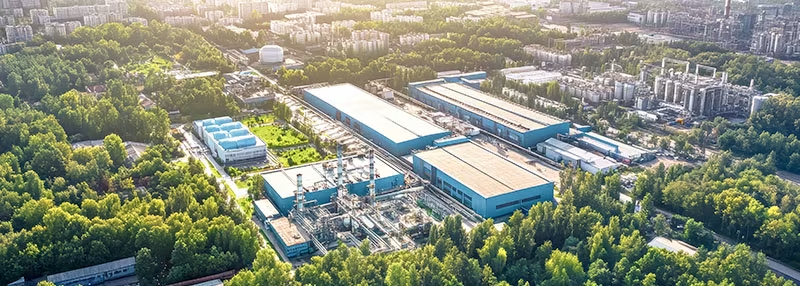
Shandong No.7 Construction Engineering Co., Ltd. is a large-scale modern construction enterprise integrating R&D, design, production, construction and general contracting of steel structures, with business covering both domestic and international markets.