¿Qué son las estructuras de marcos espaciales y cómo se utilizan en la construcción moderna?
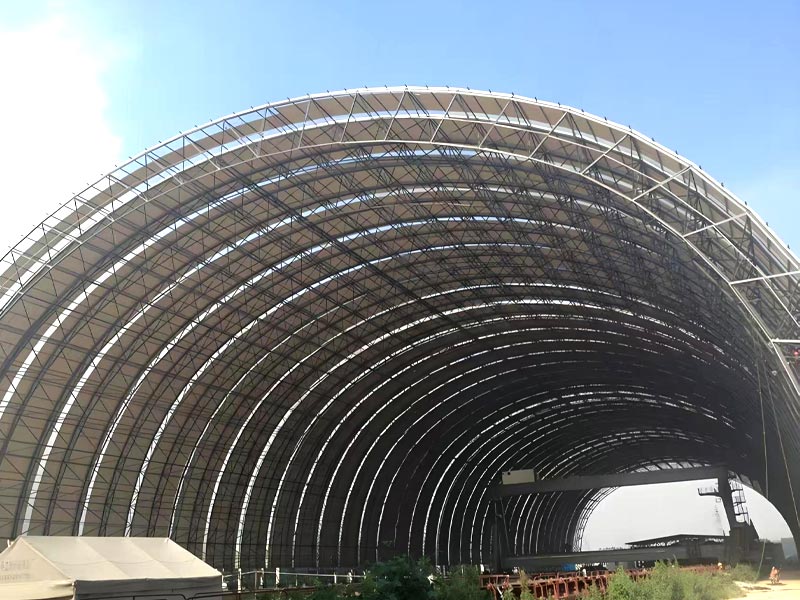
Estructuras de marcos espacial están transformando la arquitectura moderna. A diferencia de los edificios convencionales que dependen en gran medida de las paredes y las columnas, los marcos espaciales utilizan una red de puntales interconectados, formando una red tridimensional. Este diseño distribuye las cargas de manera eficiente, permitiendo amplios tramos y interiores abiertos sin comprometer la integridad estructural.
En el paisaje de construcción actual, los marcos espaciales son una opción popular para proyectos a gran escala como estadios, aeropuertos y salas de exposiciones. Su combinación de fuerza, flexibilidad y atractivo visual los convierte en una solución de referencia para arquitectos e ingenieros que buscan sistemas estructurales innovadores.
Comprensión de las estructuras de marcos
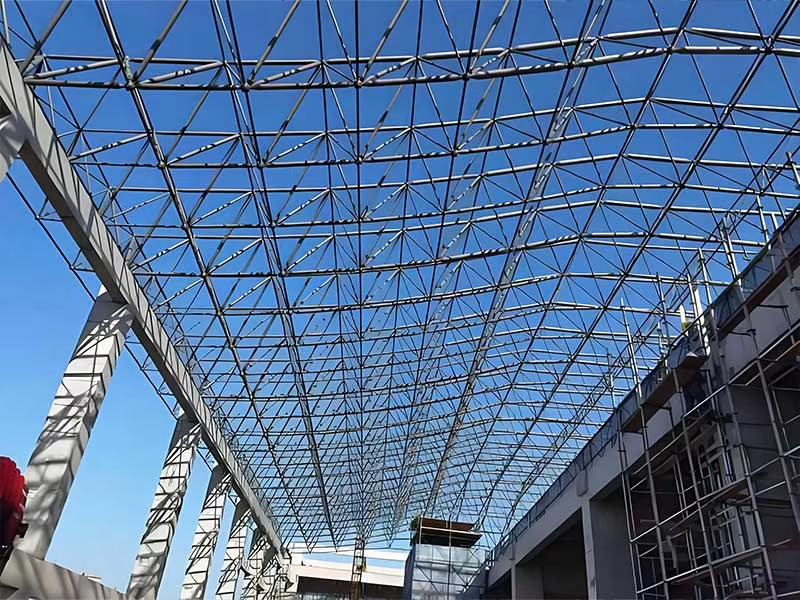
en su núcleo, Estructuras de marcos espacial son un sistema de nodos y puntales. Las rejillas triangulares, tetraédricas o de doble capa crean rigidez y minimizan el uso del material.
Las características clave incluyen:
- versatilidad: Adecuado para cubiertas, fachadas y marcos estructurales completos.
- Distribución de carga: Las fuerzas se distribuyen uniformemente por el marco, reduciendo los puntos de tensión.
- Diseño ligero: La eficiencia estructural permite tramos más grandes con menos material.
Estas características hacen ideales marcos espaciales para proyectos que demandan espacios abiertos, como complejos comerciales y centros de transporte.
Explorando diferentes tipos
Los sistemas de marcos espaciales varían según los materiales, la geometría y la aplicación.
Marcos de acero
Favorecidos por su alta resistencia y longevidad, los marcos de acero proporcionan un soporte confiable para grandes edificios comerciales e industriales.
Marcos de aluminio y ligeros
Los marcos de aluminio resisten la corrosión y son más fáciles de manejar en el sitio, lo que los hace adecuados para estructuras temporales o áreas con menor requerimiento de carga.
Sistemas prefabricados y modulares
Los componentes se fabrican fuera del sitio y se ensamblan en el sitio. Este enfoque garantiza la precisión, acelera la construcción y permite la personalización de diseños arquitectónicos únicos.
Estructuras de gran extensión
Diseñados para cubrir vastas áreas sin columnas internas, estos marcos son esenciales para estadios, aeropuertos y salas de exposiciones.
Por qué los constructores eligen estructuras de marcos espaciales
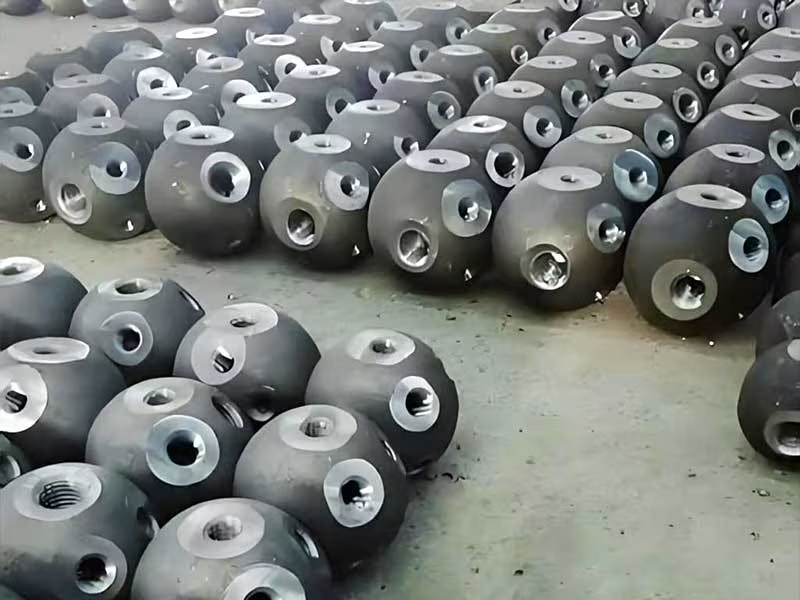
La fuerza se encuentra con la flexibilidad de diseño
La red geométrica distribuye las fuerzas de manera eficiente, lo que permite a los arquitectos empujar los límites creativos. Los edificios ganan tanto atractivo visual como estabilidad estructural.
Durabilidad y bajo mantenimiento
Los marcos espaciales de calidad soportan el estrés ambiental con el tiempo, minimizando las reparaciones y prolongando la vida útil.
Eficiencia en la construcción
Los sistemas prefabricados y modulares reducen el tiempo de montaje, reducen los requisitos de mano de obra en el sitio y simplifican la gestión de proyectos a gran escala.
Cómo se diseñan los marcos espaciales
El diseño de un marco espacial requiere una planificación y un análisis cuidadosos.
- planificación geométrica: Las configuraciones triangulares y tetraédricas crean estabilidad inherente.
- análisis estructural: Los ingenieros calculan las rutas de carga para garantizar que el marco pueda soportar cargas vivas y muertas.
- Integración con la arquitectura: Los marcos espaciales soportan techos, tragaluces y sistemas de revestimiento sin problemas, lo que permite a los arquitectos lograr diseños innovadores.
Cada detalle, desde conexiones de nodos hasta elección de material, afecta el rendimiento general.
Detrás de escena: fabricación y fabricación
El proceso de fabricación determina tanto la calidad como la durabilidad.
- Selección de material: El acero y el aluminio se eligen por sus propiedades estructurales y resistencia a los factores ambientales.
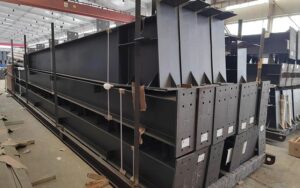
- Fabricación de precisión: Los módulos prefabricados se cortan, sueldan y se prueban en entornos controlados para garantizar la precisión.
- control de calidad: Los componentes son inspeccionados rigurosamente para determinar la alineación, la resistencia y el cumplimiento de los estándares de ingeniería.
Un marco bien fabricado garantiza una instalación suave y una fiabilidad a largo plazo.
ensamblado Estructuras de marcos espacial
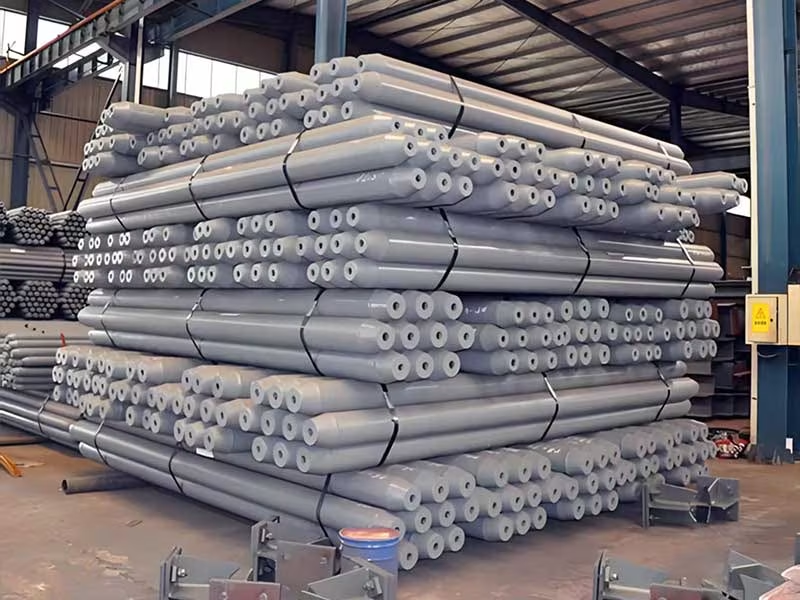
La instalación es donde el diseño se encuentra con la realidad.
- Preparación del sitio: El trabajo de base preciso garantiza que la carga sea compatible correctamente.
- Montaje modular: Los componentes se unen en puntos de nodo, creando un marco seguro y estable.
- Protocolos de seguridad: Los equipos en el sitio siguen pautas estrictas para prevenir accidentes y mantener los plazos del proyecto.
El montaje eficiente es crucial, especialmente para construcciones a gran escala sin columnas.
Aplicaciones que muestran la innovación
Estructuras de marcos espacial Aparecen en múltiples industrias:
- Salas comerciales y espacios de exposición: Los interiores abiertos se adaptan a diseños flexibles y grandes multitudes.
- Arenas deportivas: Los diseños sin columnas mejoran las líneas de visión y la experiencia del público.
- Aeropuertos y terminales de tránsito: La cobertura de gran alcance permite un diseño funcional y estético.
- Almacenes industriales: Maximiza el espacio utilizable y se adapta a la maquinaria pesada de manera eficiente.
Su adaptabilidad hace que los marcos espaciales sean una opción preferida para los proyectos que exigen tanto rendimiento como estilo.
asegurando la longevidad
El mantenimiento extiende la vida útil de una estructura de marco espacial:
- inspección regular: Enfoque en las juntas, las conexiones de los nodos y las vigas de soporte.
- Tratamientos de protección: Los recubrimientos y la galvanización evitan la corrosión en estructuras de acero.
- Reemplazo de módulo: Los componentes prefabricados se pueden reemplazar individualmente, minimizando la interrupción.
El cuidado proactivo mantiene estas estructuras seguras y operativas durante décadas.
Elegir un fabricante de marcos espaciales
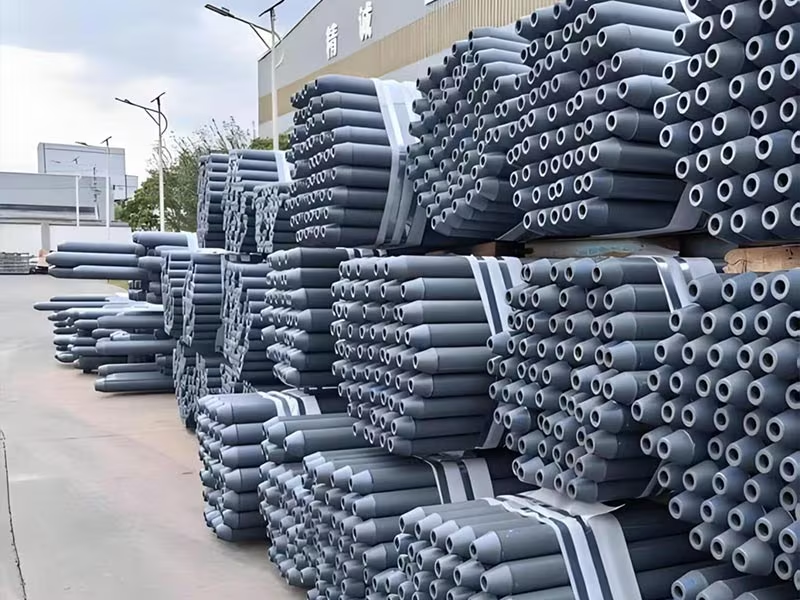
Seleccionar el socio adecuado garantiza el éxito del proyecto.
- La experiencia importa: Busque fabricantes con un historial probado en marcos de acero, prefabricados y modulares.
- Capacidades de personalización: Asegúrese de que el fabricante pueda cumplir con los requisitos únicos de su proyecto.
- Revisión de cartera: Examine proyectos anteriores para medir la experiencia, la fiabilidad y la calidad de ejecución.
Un fabricante de confianza es fundamental para lograr tanto la excelencia estructural como los objetivos estéticos.
Pensamientos finales
Estructuras de marcos espacial están redefiniendo la construcción moderna, ofreciendo una flexibilidad, durabilidad y posibilidades de diseño inigualables. Como fabricante especializado en marcos de acero, prefabricados y modulares, ofrecemos soluciones adaptadas a diversos proyectos comerciales, industriales y públicos.
Para proyectos que requieren innovación, fuerza y eficiencia, consultar a un fabricante de estructuras espaciales con experiencia es el primer paso hacia una construcción exitosa.
Preguntas frecuentes
P1: ¿Para qué se utilizan las estructuras de marcos espaciales?
un: Las estructuras de marcos espaciales se utilizan en edificios comerciales, arenas deportivas, aeropuertos, salas de exposiciones y almacenes industriales donde se necesitan tramos amplios y sin columnas.
P2: ¿Qué materiales se utilizan comúnmente en estructuras de marcos espaciales?
un: El acero es el más común debido a su resistencia y durabilidad, mientras que el aluminio y otros materiales ligeros se utilizan para la resistencia a la corrosión y la facilidad de montaje.
P3: ¿Cuáles son las ventajas de prefabricados? Estructuras de marcos espacial?
un: Los sistemas prefabricados garantizan la precisión, reducen el tiempo de construcción en el sitio y permiten la personalización de diseños arquitectónicos complejos.
P4: ¿Cuánto duran las estructuras de marcos espaciales?
un: Con un diseño, fabricación y mantenimiento adecuados, las estructuras de marcos espaciales pueden durar varias décadas, ofreciendo durabilidad y bajos costos de mantenimiento.
P5: ¿Cómo elijo el fabricante adecuado para estructuras de marcos espaciales?
un: Considere la experiencia del fabricante, la cartera, las capacidades de personalización y el cumplimiento de los estándares de ingeniería para garantizar el éxito del proyecto.
Continuar leyendo

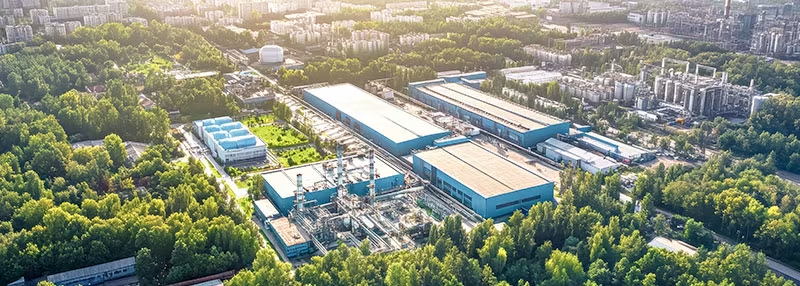
Shandong No.7 Construction Engineering Co., Ltd. es una empresa de construcción moderna a gran escala que integra I+D, diseño, producción, construcción y contratación general de estructuras de acero, con negocios que cubren los mercados nacionales e internacionales.