The Benefits of Light Steel Frame Buildings for Modern Construction
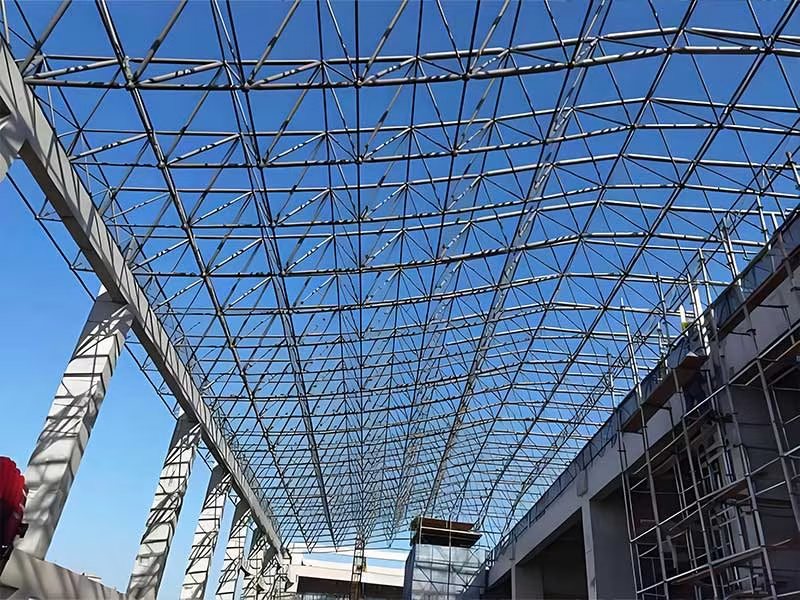
Imagine a building that is not only strong and durable but also flexible, sustainable, and fast to assemble. Light steel frame construction has emerged as a revolutionary approach in modern architecture and construction, bridging the gap between efficiency and quality.
Why Light Steel Frame is Changing Construction
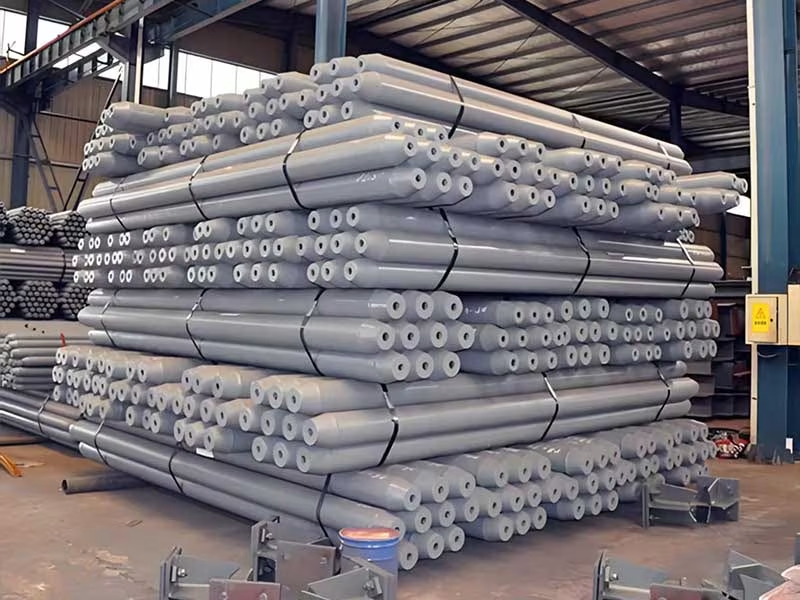
Light steel frames are redefining the construction industry. Unlike traditional concrete or timber, these structures provide a lightweight yet incredibly strong skeleton. The ability to combine high structural integrity with design flexibility is what makes light steel frames so attractive for both architects and developers.
- Speed: Prefabricated steel components allow for rapid assembly and minimal onsite adjustments.
- Flexibility: Modular design enables virtually any architectural configuration.
- Sustainability: Steel is fully recyclable and easily paired with modern insulation and energy-efficient building materials.
Insight: In urban development projects, time is money. Light steel frames reduce construction timelines significantly while maintaining quality.
Light Steel Frame vs Traditional Construction Methods
Traditional concrete and timber have been the foundation of construction for centuries, but they come with limitations. Concrete is heavy, labor-intensive, and slow to cure, while timber can be susceptible to fire, pests, and moisture damage. Light steel frames address these limitations with:
- Lightweight strength – Steel provides a higher strength-to-weight ratio, allowing for taller structures with less foundation stress.
- Ease of modification – Changes in layout or design can be made without compromising the overall structure.
- Reduced labor – Prefabricated components require less manual assembly, cutting down labor costs and human error.
Beyond Strength: The Hidden Benefits
While durability is an obvious benefit, steel frames also offer unique advantages that aren’t immediately visible:
- Fire Resistance: Steel does not combust, and combined with fire-resistant panels, steel frame buildings meet high safety standards.
- Seismic Performance: Engineered steel frames can absorb and dissipate earthquake energy better than concrete or timber.
- Longevity: Corrosion-resistant coatings and high-quality fasteners ensure decades of low-maintenance performance.
Residential and Commercial Applications
Residential developers are increasingly adopting light steel frames for:
- Multi-story apartment buildings
- Villas and modular homes
- High-end renovations requiring open floor plans
Commercial projects, on the other hand, leverage steel frames for:
- Warehouses and distribution centers
- Offices and educational facilities
- Retail complexes with flexible layouts
Real-world perspective: Some urban projects that once required months of construction are now completed in weeks using steel framing.
Materials and Specifications: What Makes a Light Steel Frame Strong?
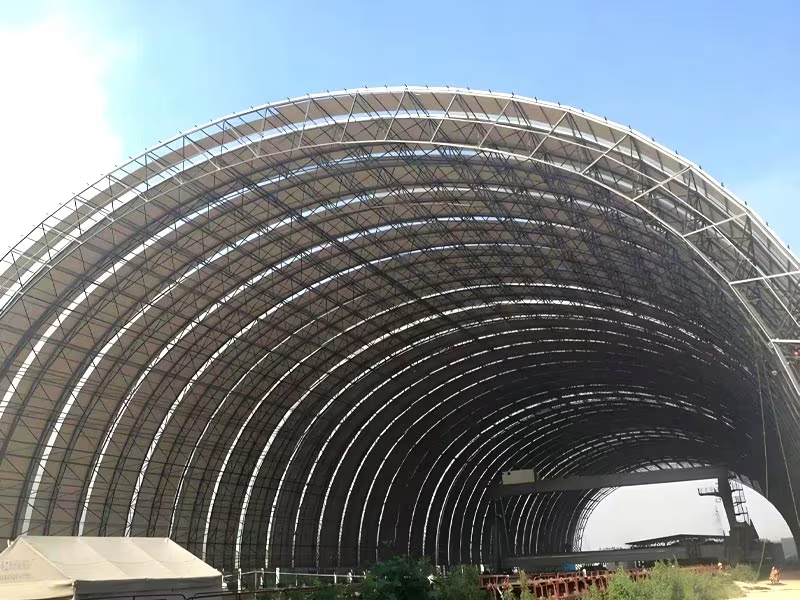
The quality of a light steel frame depends on its materials:
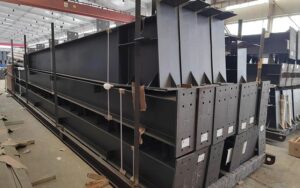
- Cold-formed steel sections: Provide the structural backbone with precise tolerances.
- High-performance insulation: Ensures thermal and acoustic comfort.
- Precision fasteners and connectors: Critical for maintaining long-term integrity.
Prefabricated Components
Prefabrication is a major advantage. Factory-produced panels and sections allow:
- Reduced onsite construction time
- Consistent quality control
- Minimization of material waste
- Safer installation environments
Insight: The use of digital design and 3D modeling ensures that prefabricated components fit together seamlessly on site.
Innovative Design Principles
Light steel frames offer unparalleled flexibility in design:
- Modular construction: Sections can be predesigned for various layouts and purposes.
- Custom finishes: Steel frames can integrate with glass, timber, and composite panels to achieve unique aesthetics.
- Scalability: Whether a single-family home or a multi-story office complex, steel adapts efficiently.
Case Study Highlight
In a recent residential project, a multi-unit apartment building was completed in under three months using prefabricated steel panels. The modular approach allowed simultaneous foundation work and frame assembly, reducing overall project time by 40%.
Cost Efficiency and Investment Benefits
While this article avoids discussing exact prices, it’s important to note:
- Long-term value: Reduced maintenance needs and extended lifespan translate to lower lifecycle costs.
- Energy efficiency: Modern insulation reduces heating and cooling requirements.
- Rapid project completion: Shorter timelines allow faster occupancy and operational revenue for developers.
Builders increasingly consider light steel frames as a strategic investment rather than just a construction method.
Applications You Might Not Expect
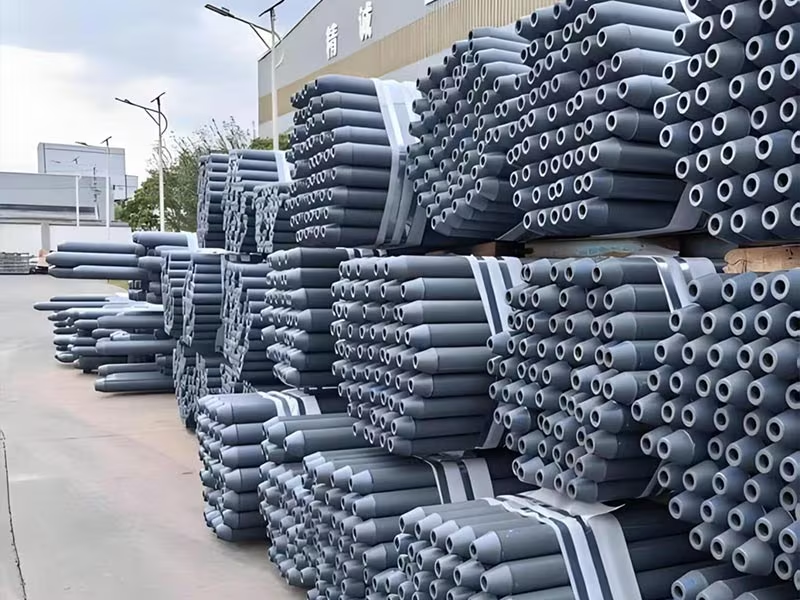
Light steel frames extend beyond conventional buildings:
- Warehouses and Factories: Durable, expandable, and adaptable to heavy loads.
- Temporary Installations: Emergency shelters, pop-up classrooms, or exhibition spaces benefit from fast deployment.
- Mixed-use Developments: Schools, hospitals, and multi-purpose facilities leverage modularity for functional space optimization.
Real-World Examples
- Urban infill projects with limited space use steel frames for multi-story residential buildings.
- Modular classrooms in earthquake-prone regions utilize steel for safety and rapid setup.
- Industrial warehouses expand quickly with steel frames, allowing phased development without disrupting operations.
Maintenance and Longevity
Light steel frame structures require minimal but strategic maintenance:
- Regular inspection of joints and connectors
- Prevention of water accumulation and corrosion
- Prompt repair of minor surface damage
Best Practices:
- Use protective coatings for outdoor exposure
- Ensure proper drainage to avoid structural moisture damage
- Periodically check insulation integrity
Choosing the Right Manufacturer
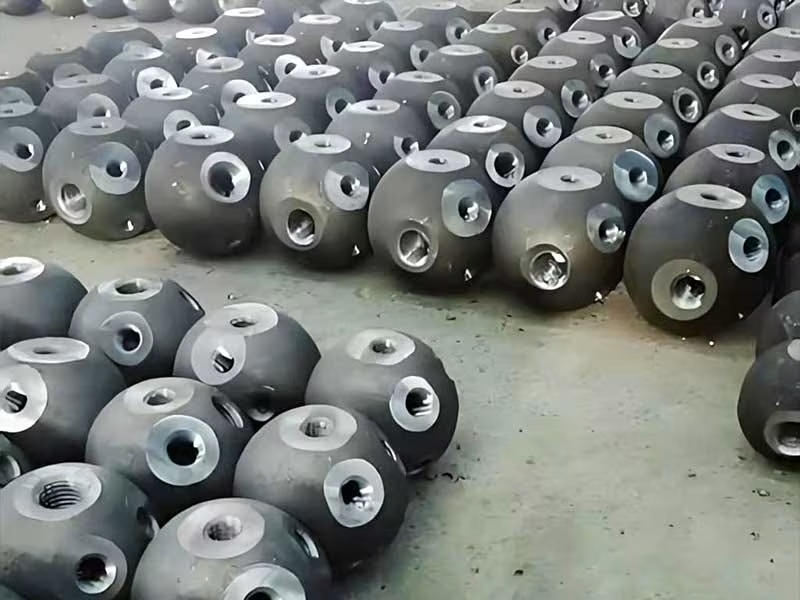
Selecting the right partner is essential for project success:
- Proven expertise in light steel frame production
- Ability to customize designs to project needs
- Compliance with international building standards
- Support through design, delivery, and assembly
As a manufacturer, our role is to provide high-quality components and technical guidance, ensuring every building is safe, durable, and visually appealing.
Conclusion
Light steel frame buildings merge speed, flexibility, and sustainability in a way that traditional construction cannot. Their adaptability and long-term performance make them ideal for residential, commercial, and industrial projects alike.
Partnering with a reliable manufacturer ensures quality and precision from design to assembly, offering peace of mind for builders and developers. For modern construction projects seeking efficiency, durability, and innovation, light steel frames are not just an option—they are the solution.
FAQ
What is a light steel frame building?
A light steel frame building uses high-quality steel sections as a structural skeleton, combined with panels and insulation to create durable, flexible, and energy-efficient structures.
What are the main advantages of light steel frame construction?
Light steel frames offer durability, fire resistance, earthquake resilience, modular design flexibility, and sustainability, making them suitable for residential, commercial, and industrial projects.
Can light steel frame buildings be customized?
Yes. Light steel frames are highly adaptable, allowing for custom designs, modular layouts, and integration with various finishes, enabling architects to create unique building solutions.
How long does a steel frame building last?
With proper maintenance and corrosion protection, steel frame buildings can last several decades, offering long-term reliability and low maintenance needs.
Why should I choose a professional light steel frame manufacturer?
A professional manufacturer ensures high-quality materials, precise prefabrication, compliance with standards, and technical support, guaranteeing the structural integrity and longevity of your building.
Continue reading
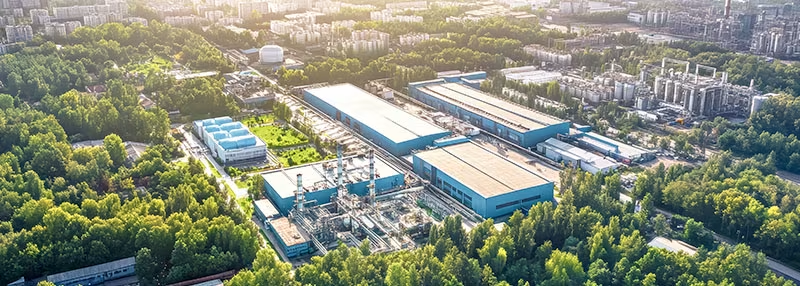
Shandong No.7 Construction Engineering Co., Ltd. is a large-scale modern construction enterprise integrating R&D, design, production, construction and general contracting of steel structures, with business covering both domestic and international markets.