How to Choose the Right Steel Truss Suppliers for Your Construction Project
Introduction
Steel trusses play a pivotal role in modern construction, forming the backbone of roofs, industrial structures, and large-scale architectural projects. As a manufacturer, we understand that selecting the right steel truss supplier goes beyond simply finding someone who delivers products. The choice affects the durability, safety, and overall efficiency of your construction project. Reliable suppliers ensure consistency in quality, compliance with engineering standards, and the ability to meet project deadlines without compromise.
Types of Steel Trusses Available
Construction projects demand different types of steel trusses depending on structural needs, aesthetics, and scale. Understanding the options is critical for selecting a supplier capable of fulfilling your specifications.
Roof Steel Trusses
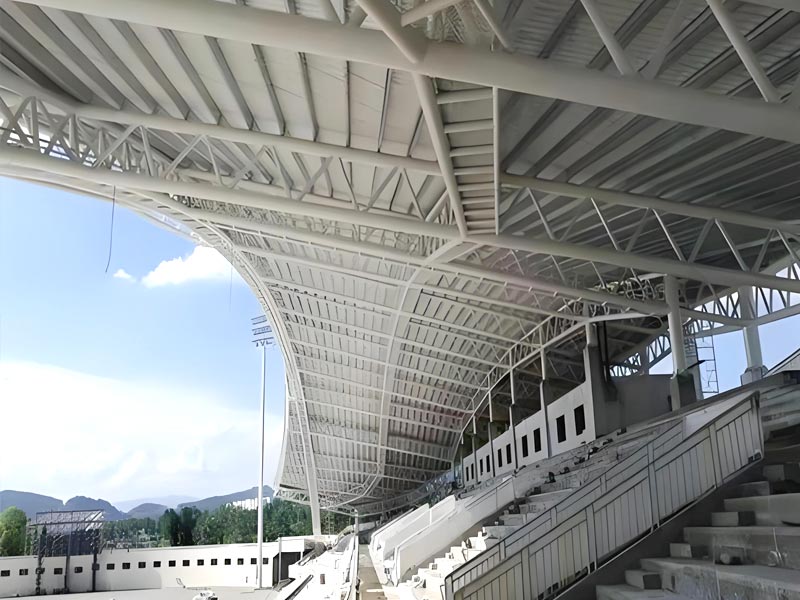
Roof steel trusses are widely used in residential and commercial buildings. They provide superior load distribution, resistance to environmental stresses, and adaptability to various architectural designs. Working with a supplier experienced in roof trusses ensures precise fabrication and long-term structural integrity.
Prefabricated Steel Trusses
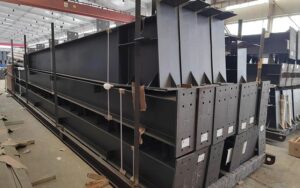
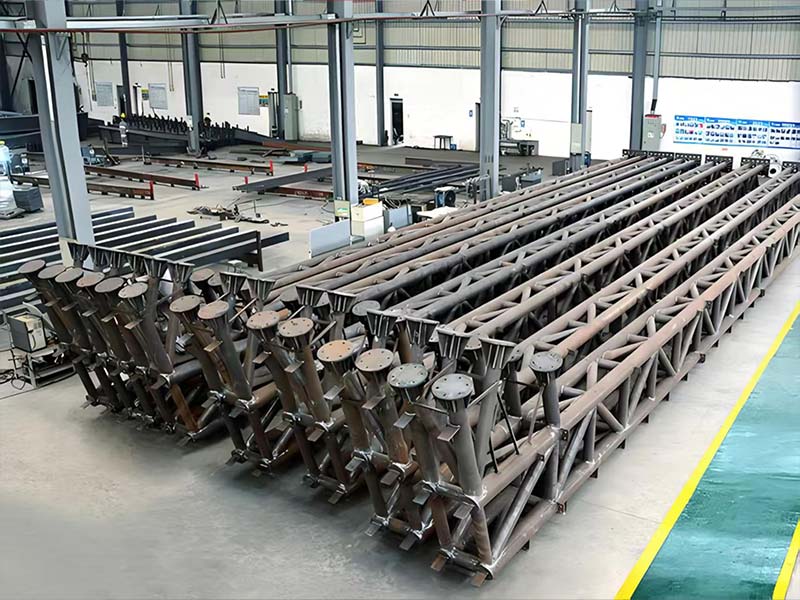
Prefabricated trusses offer a faster and more efficient solution for large-scale industrial projects. Suppliers providing prefabricated solutions can significantly reduce on-site labor, minimize construction errors, and streamline assembly. Prefabrication also allows for higher precision in material cutting and joint fabrication.
Custom and Modular Steel Trusses
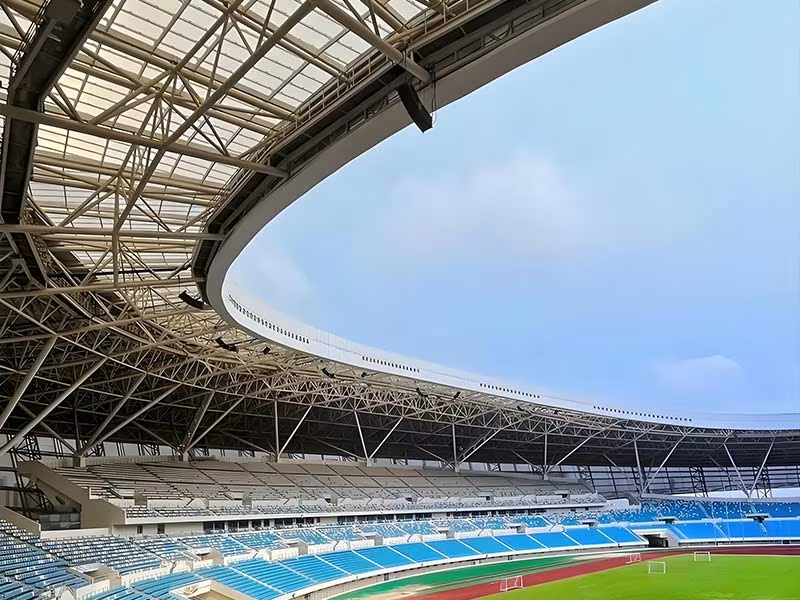
Some projects require unique design solutions, such as large-span halls or specialized commercial structures. Custom and modular steel trusses cater to these demands, offering flexibility in dimensions, load capacity, and connection methods. A manufacturer-focused supplier can handle detailed technical drawings and engineering consultations to deliver tailored solutions.
Key Qualities of Reliable Steel Truss Suppliers
When selecting a steel truss supplier, several factors determine reliability and performance:
- Certifications and Standards: Suppliers adhering to ISO 9001, ASTM, or other recognized standards provide assurance of consistent quality and structural reliability.
- Project Portfolio: Reviewing a supplier’s previous projects demonstrates their capability to handle various construction scales.
- Technical Support: Access to engineering advice and design consultation is essential, particularly for complex projects.
- Timely Delivery: Suppliers with robust logistics and production planning can prevent costly project delays.
Steel Truss Material Specifications and Standards
The performance of a steel truss is influenced by the material used:
- Galvanized Steel: Offers enhanced corrosion resistance, suitable for high-moisture environments.
- High-Strength Steel: Ideal for large-span structures requiring superior load-bearing capacity.
- Compliance with Codes: Suppliers must ensure products meet local and international building codes to guarantee structural safety.
Understanding these material specifications allows project managers to match the truss design with structural demands accurately.
How to Evaluate Steel Truss Suppliers for Your Project
Evaluating suppliers involves a combination of technical assessment and practical considerations:
- Quality Assessment: Review fabrication methods, material certificates, and internal quality checks.
- Operational Efficiency: Examine the supplier’s production timelines and delivery schedules.
- Support Services: Ensure the supplier offers after-sales support, installation guidance, and engineering consultation.
- Site Audits: For large-scale projects, visiting the manufacturing site can validate quality processes and capacity.
Advantages of Partnering Directly with a Steel Truss Manufacturer
Collaborating directly with a manufacturer provides several advantages over intermediaries:
- Customization Flexibility: Tailored designs are easier to implement directly through the manufacturer.
- Cost Efficiency: Eliminating middlemen reduces logistical overhead and ensures precise material handling.
- Project Reliability: Direct partnerships provide accountability and maintain production standards throughout the project lifecycle.
Common Challenges When Sourcing Steel Trusses
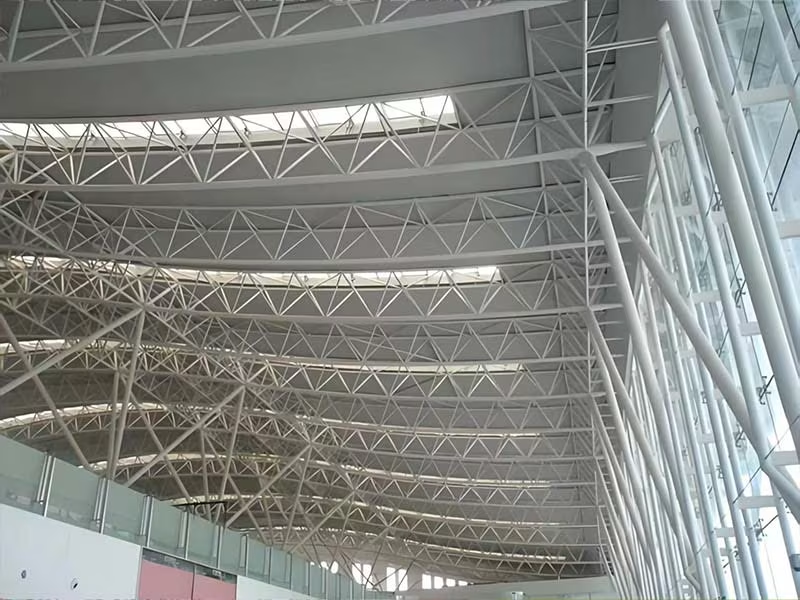
Even experienced project managers face challenges when sourcing steel trusses. Identifying these risks helps mitigate potential delays or quality issues.
- Quality Control Issues: Inconsistent fabrication or low-grade steel can compromise structural safety.
- Delivery Delays: Large or remote projects often face logistical challenges. Planning with a reliable manufacturer reduces the risk of delays.
- Technical Misalignment: Miscommunication in engineering specifications can result in design errors; suppliers offering technical guidance can prevent this.
Case Studies: Successful Projects Using Quality Steel Truss Suppliers
Industrial Warehouses
Custom steel trusses have enabled expansive warehouses with minimal internal columns, maximizing usable space and structural integrity.
Commercial Complexes
Prefabricated trusses supported complex roofing designs in multi-level commercial buildings, accelerating construction timelines.
Residential Projects
Residential roof trusses fabricated from galvanized steel provided durability, aesthetic appeal, and compliance with local building regulations.
Tips for Long-Term Collaboration with Steel Truss Suppliers

Building a strategic relationship with a supplier enhances efficiency and project outcomes:
- Strategic Partnerships: Regular collaboration ensures familiarity with your project standards and expectations.
- Maintenance and Support: Reliable suppliers offer guidance for inspections, structural maintenance, and upgrades.
- Innovation Collaboration: Engage suppliers in planning for future projects, leveraging their expertise in new materials and engineering practices.
Conclusion
Choosing the right steel truss suppliers is critical for construction success. By focusing on suppliers with proven experience, technical support, and manufacturing expertise, project managers can achieve superior quality, faster timelines, and long-term reliability. Partnering directly with a steel truss manufacturer ensures access to customized solutions and reduces risks associated with third-party intermediaries. For any construction project requiring steel trusses, working with a professional and knowledgeable supplier is an investment in structural integrity and project efficiency.
FAQ
Q1: What factors should I consider when choosing a steel truss supplier?
A1: Look for certifications, technical support, project experience, delivery reliability, and the ability to provide custom or prefabricated solutions.
Q2: What types of steel trusses are commonly available?
A2: Common types include roof steel trusses, prefabricated trusses for industrial projects, and custom or modular trusses for unique architectural requirements.
Q3: Why work directly with a steel truss manufacturer?
A3: Direct partnerships ensure customization, consistent quality, faster delivery, and technical guidance throughout the project lifecycle.
Q4: How do I verify the quality of a steel truss supplier?
A4: Check material certifications, review previous project portfolios, ask for technical support options, and, if possible, visit the manufacturing site.
Q5: Can steel trusses be customized for complex projects?
A5: Yes, manufacturers can provide custom or modular steel trusses to meet specific structural and design requirements for large or intricate projects.
Continue reading
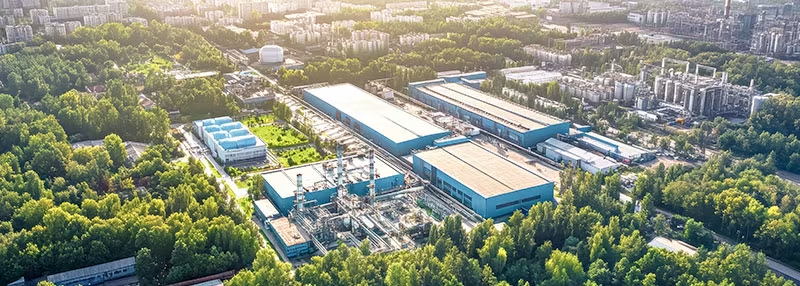
Shandong No.7 Construction Engineering Co., Ltd. is a large-scale modern construction enterprise integrating R&D, design, production, construction and general contracting of steel structures, with business covering both domestic and international markets.