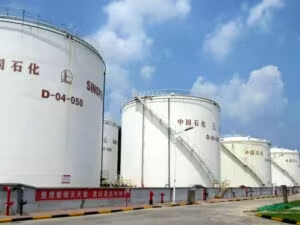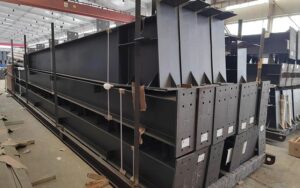
Comment choisir le bon réservoir de stockage de liquide pour les applications industrielles
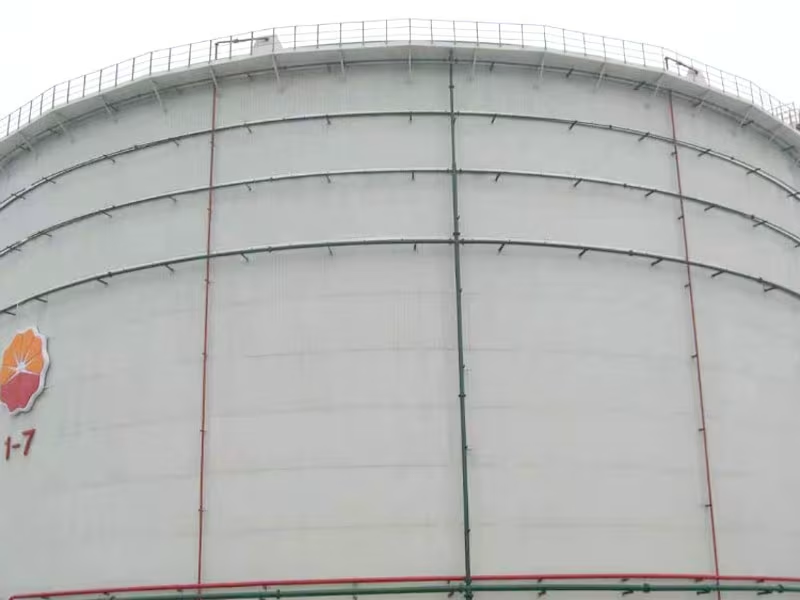
introduction
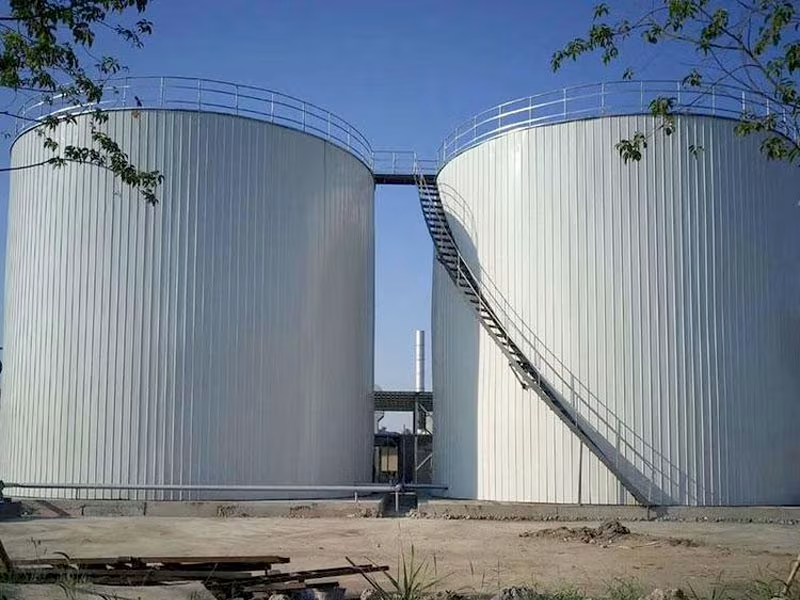
Dans les systèmes industriels, la manipulation des liquides n'est jamais une simple fonction de soutien, elle fait partie de l'infrastructure de base qui maintient la production stable et prévisible. Que l'opération implique des produits chimiques, le traitement de l'eau, la distribution de carburant ou le traitement de qualité alimentaire, l'étape de stockage détermine souvent l'efficacité de l'ensemble du système.
A réservoir de stockage de liquide est plus qu'un conteneur. Dans les applications réelles, il agit comme un tampon, une barrière de sécurité et un point de coordination entre l'alimentation en amont et le traitement en aval. Lorsque la sélection n'est pas correctement alignée avec l'environnement de travail, les problèmes apparaissent plus tard sous la forme de corrosion, de risque de fuite ou de performances de débit instables.
Ce guide est structuré dans une perspective de fabrication et d'ingénierie, en se concentrant sur la manière dont les acheteurs industriels et les équipes de projet évaluent généralement les systèmes de stockage dans des projets réels.
Ce que fait un réservoir de stockage de liquides dans les systèmes industriels
En pratique, les systèmes de stockage fonctionnent rarement isolément. Un réservoir de liquide est généralement connecté à des canalisations, des pompes, des vannes et des équipements de traitement, formant un réseau à flux continu.
Au lieu de simplement “ retenir le liquide ”, le système est responsable de :
- Équilibrer les fluctuations de la production entre les processus
- Stabilisation de la pression et des variations de débit
- Empêcher l'exposition directe de liquides sensibles à des conditions externes
- Agir comme un tampon de sécurité pendant les arrêts ou les cycles de maintenance
- Soutenir le confinement d'urgence dans des situations anormales
C'est pourquoi la sélection des réservoirs est souvent traitée comme une décision d'ingénierie du système plutôt que comme un achat autonome d'équipement.
Pourquoi la conception des réservoirs varie-t-elle d'une industrie à l
L'un des malentendus les plus courants dans les marchés publics est de supposer que tous réservoirs de stockage Suivez une structure similaire. Dans les environnements d'ingénierie réels, les différences de conception sont importantes car chaque industrie définit ses propres contraintes.
Par exemple :
- Les environnements chimiques exigent une résistance aux milieux agressifs
- Les systèmes de traitement de l'eau privilégient la stabilité et la propreté des grands volumes
- Les systèmes liés à l'énergie se concentrent fortement sur le renforcement structurel et le contrôle de l'étanchéité
- Les applications alimentaires et des boissons nécessitent des surfaces hygiéniques et un contrôle de la contamination
- Les environnements pharmaceutiques exigent un contrôle strict de l'influence microbienne et de la pureté des matériaux
La logique de conception change en fonction de ce qui est stocké, et non seulement de la quantité stockée.
La sélection des matériaux est la décision d'ingénierie de base
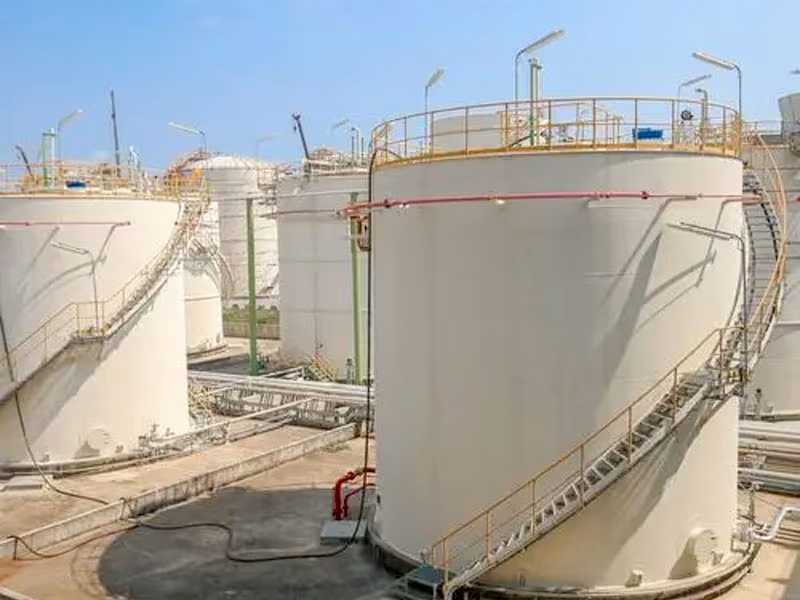
La sélection des matériaux est généralement la première décision technique majeure dans la conception des réservoirs, et elle affecte directement les performances à long terme.
Dans les applications industrielles, les matériaux couramment utilisés comprennent :
- Acier inoxydable pour environnements nécessitant une résistance à la corrosion et des conditions d'hygiène
- Acier au carbone pour des applications structurellement exigeantes avec des environnements contrôlés
- Matériaux à base de polymères pour la résistance chimique dans des milieux spécifiques
- Structures composites pour installations légères et spécialisées
Ce qui est souvent négligé, c'est que la performance des matériaux ne concerne pas seulement la résistance. Il s'agit également de la façon dont le matériau réagit au fil du temps sous une exposition constante, des changements de température et des cycles de pression interne.
Le traitement de surface, la doublure interne et la protection anti-corrosion sont souvent appliqués pour prolonger la stabilité du cycle de vie, en particulier dans les environnements chimiquement actifs.
Choix de conception structurelle qui affectent le fonctionnement réel
La géométrie du réservoir n'est pas choisie pour son apparence, elle affecte directement le comportement d'écoulement, l'accès à la maintenance et la répartition de la pression.
Les dispositions structurelles courantes comprennent :
- Configurations cylindriques verticales, souvent utilisées lorsque l'efficacité spatiale est importante
- Dispositions horizontales pour les installations avec des limitations de hauteur
- Les systèmes souterrains où l'exposition environnementale doit être minimisée
- Systèmes modulaires conçus pour une expansion industrielle évolutive
Dans les projets d'ingénierie réels, la sélection structurelle est souvent influencée par l'espace d'installation, la disposition de tuyauterie et l'accessibilité de la maintenance plutôt que par la seule capacité théorique.
Le rôle des normes d'ingénierie dans les projets réels
Les systèmes de stockage industriels sont généralement conçus dans le cadre de cadres d'ingénierie reconnus à l'échelle internationale. Ces normes ne sont pas seulement une documentation, elles définissent des attentes minimales en matière de sécurité et de fiabilité.
Les principaux domaines d'activité de l'ingénierie comprennent :
- Validation de la charge structurelle dans des conditions de fonctionnement
- Qualité de soudure et cohérence de fabrication
- Traçabilité des matériaux à travers les étapes de production
- Tolérance de pression et marges de sécurité
- Exigences de confinement environnemental et de prévention des fuites
Dans la plupart des projets industriels, la conformité est également étroitement liée à l'approbation opérationnelle et à l'acceptation à long terme du système.
alors que Réservoirs de stockage de liquides sont réellement utilisés dans l'industrie
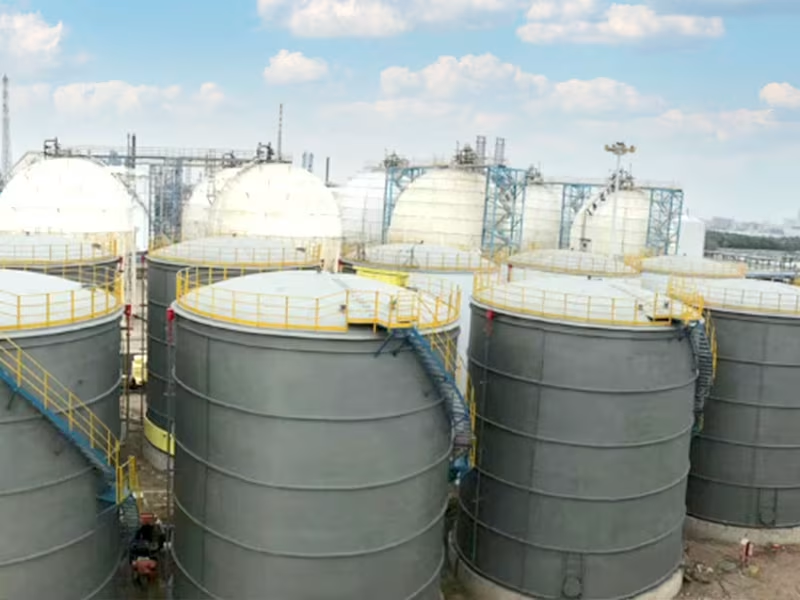
Plutôt que d'énumérer les industries de manière générale, il est plus pratique de comprendre comment les systèmes de stockage fonctionnent dans chaque environnement.
Dans le traitement chimique, les réservoirs agissent souvent comme des zones de confinement contrôlées pour les liquides réactifs. Dans les systèmes de traitement de l'eau, ils stabilisent les variations d'entrée et de sortie à travers les étapes de filtration. Dans les applications liées au carburant, ils prennent en charge la mise en mémoire tampon sûre entre les systèmes d'approvisionnement et de consommation.
Dans les environnements alimentaires et pharmaceutiques, l'accent est mis sur le contrôle de la contamination, la nettoie et la neutralité des matériaux. Même des problèmes de surface ou de scellement mineurs peuvent affecter l'intégrité du produit.
Chaque application crée une priorité d'ingénierie différente, même si le réservoir est similaire à l'extérieur.
Pourquoi les pannes opérationnelles se produisent généralement au fil du temps
La plupart des problèmes de système de stockage ne s'affichent pas immédiatement après l'installation. Ils se développent progressivement au fil des cycles opérationnels.
Les risques courants à long terme comprennent :
- Corrosion progressive causée par l'interaction entre les matériaux et le milieu
- Dégradation des joints à cause de la variation de pression répétée
- Accumulation de contraintes structurelles dues aux changements thermiques
- Une installation incorrecte entraînant une répartition inégale des charges
- Retards de maintenance entraînant une détérioration non détectée
Le point important est que ces problèmes sont souvent prévisibles si la phase de conception est correctement exécutée. De nombreuses défaillances ne sont pas soudaines, elles sont le résultat d'une exposition mécanique et chimique à long terme.
Ce qui rend la qualité de fabrication si critique
Du point de vue de la fabrication, liquide réservoirs de stockage sont très sensibles à la précision de la production. De petits écarts de soudure, d'alignement ou de traitement des matériaux peuvent affecter la stabilité à long terme.
Les principaux domaines de contrôle de la production comprennent :
- Cohérence et qualité de pénétration du soudage
- Précision dimensionnelle sur de grandes structures
- Finition de surface et uniformité de traitement interne
- Alignement des renforts structurels
- Test de pression avant la livraison
Contrairement aux composants mécaniques standard, les systèmes de stockage fonctionnent dans des conditions de charge continue, ce qui fait de la cohérence de fabrication un facteur critique de fiabilité.
L'ingénierie personnalisée devient l'exigence par défaut
Dans les projets industriels modernes, les configurations standard des réservoirs ne suffisent souvent pas. Les conditions du site, la conception des processus et les exigences de sécurité exigent de plus en plus une ingénierie personnalisée.
La conception personnalisée peut impliquer :
- Dimensions ajustées en fonction des contraintes d'installation
- Structures renforcées pour systèmes à charge élevée ou à volume élevé
- Revêtements spécialisés pour la compatibilité chimique
- Intégration avec les systèmes de tuyauterie et de contrôle
- Configurations multi-unités pour les opérations distribuées
Ce changement reflète une tendance plus large dans le domaine de l'ingénierie industrielle où les systèmes sont conçus autour des exigences de processus plutôt que des modèles d'équipement standardisés.
Une façon pratique d'évaluer un Réservoir de stockage Avant la sélection
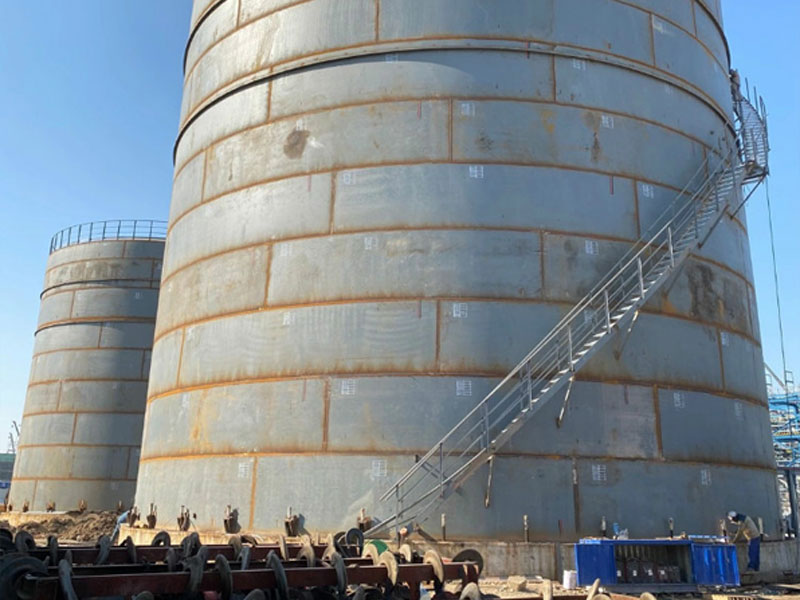
Au lieu de se concentrer uniquement sur les spécifications des produits, une méthode d'évaluation plus fiable consiste à examiner le système dans son ensemble :
- Quel liquide sera stocké et quelle est sa stabilité chimiquement
- Quelles sont les conditions opérationnelles auxquelles le système sera confronté au quotidien
- Dans quelle mesure l'environnement d'installation est-il accessible ?
- Quel niveau de maintenance est réaliste
- Comment le réservoir s'intègre-t-il au système de processus plus large
Lorsque ces facteurs sont évalués ensemble, la sélection devient plus précise et les performances à long terme deviennent plus prévisibles.
Conclusion
un liquide réservoir de stockage Ne doit pas être traité comme un simple achat d'équipement. Il s'agit d'un composant structurel et opérationnel qui influence la sécurité, l'efficacité et la stabilité du système au fil du temps.
La sélection des matériaux, la conception des structures, les normes d'ingénierie et la qualité de fabrication contribuent tous à la performance du système dans des conditions réelles. Lorsque ces éléments sont alignés sur l'environnement industriel réel, les systèmes de stockage ont tendance à fonctionner de manière plus cohérente et nécessitent moins d'interventions inattendues.
Pour les utilisateurs industriels, l'approche la plus fiable est non seulement de choisir un réservoir en fonction de sa capacité ou de son apparence, mais de garantir que la logique d'ingénierie derrière le système correspond à la réalité opérationnelle qu'il va servir.
FAQ
À quoi sert un réservoir de stockage de liquides dans les systèmes industriels ?
Il est utilisé pour stocker et réguler des liquides tels que l'eau, des produits chimiques, du carburant ou des fluides de procédé, assurant un débit stable et une manipulation sûre dans les opérations industrielles.
Quels matériaux sont couramment utilisés pour les réservoirs de stockage de liquides?
Les matériaux les plus courants comprennent l'acier inoxydable, l'acier au carbone et les matériaux à base de polymère, chacun sélectionné en fonction de la compatibilité chimique, des exigences de résistance et des conditions de fonctionnement.
Comment choisir le bon liquide réservoir de stockage pour mon projet ?
La sélection dépend du type de liquide, de la capacité requise, de l'environnement d'installation, des conditions de température et des exigences d'intégration du système dans le processus global.
Quelles industries utilisent couramment des réservoirs de stockage de liquides ?
Ils sont largement utilisés dans le traitement chimique, le traitement de l'eau, la production d'aliments et de boissons, la fabrication pharmaceutique et les applications liées à l'énergie.
Quels sont les principaux facteurs affectant les performances des réservoirs de stockage de liquides ?
Les facteurs clés comprennent la sélection des matériaux, la conception structurelle, la qualité de fabrication, la résistance à la corrosion et les pratiques d'installation et d'entretien appropriées.
Continuer la lecture
1TP2 T est une entreprise de construction moderne à grande échelle intégrant la R & D, la conception, la production, la construction et la passation de contrats généraux de structures en acier, avec des activités couvrant à la fois les marchés nationaux et internationaux.