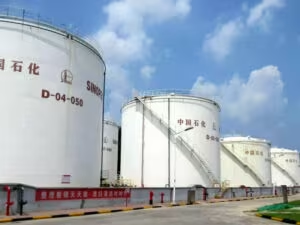
Cómo elegir el tanque de almacenamiento de líquido adecuado para aplicaciones industriales
comienzo
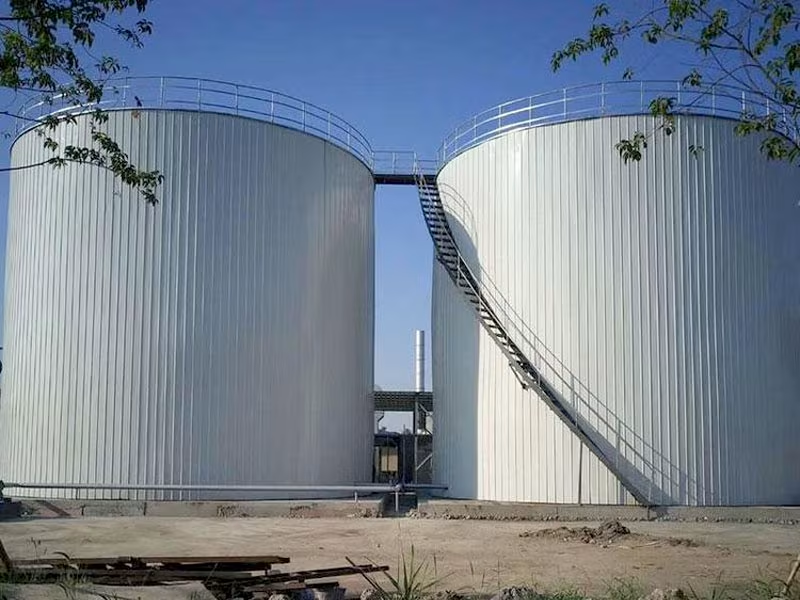
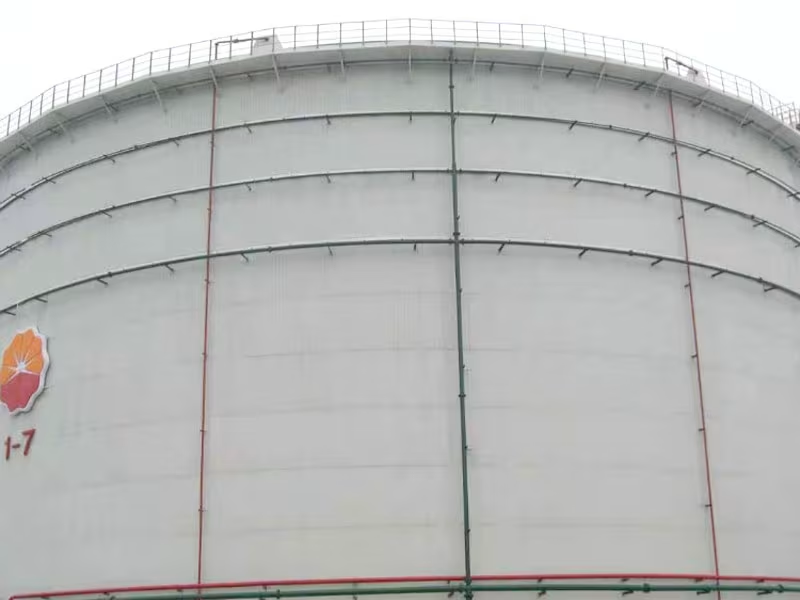
En los sistemas industriales, el manejo de líquidos nunca es solo una función de apoyo: es parte de la infraestructura central que mantiene la producción estable y predecible. Ya sea que la operación involucre productos químicos, tratamiento de agua, distribución de combustible o procesamiento de grado alimenticio, la etapa de almacenamiento a menudo determina la eficiencia con la que funciona todo el sistema.
A Tanque de almacenamiento de líquido es más que un contenedor. En aplicaciones reales, actúa como amortiguador, barrera de seguridad y punto de coordinación entre el suministro de aguas arriba y el procesamiento aguas abajo. Cuando la selección no está debidamente alineada con el entorno de trabajo, los problemas tienden a aparecer más adelante en forma de corrosión, riesgo de fuga o rendimiento de flujo inestable.
Esta guía se estructura desde una perspectiva de fabricación e ingeniería, centrándose en cómo los compradores industriales y los equipos de proyectos suelen evaluar los sistemas de almacenamiento en proyectos reales.
Lo que hace realmente un tanque de almacenamiento de líquido en los sistemas industriales
En la práctica, los sistemas de almacenamiento rara vez funcionan de forma aislada. Un tanque de líquido generalmente se conecta a tuberías, bombas, válvulas y equipos de procesamiento, formando una red de flujo continuo.
En lugar de simplemente “retener líquido”, el sistema es responsable de:
- Equilibrar las fluctuaciones de producción entre procesos
- Variaciones de presión y de flujo estabilizadores
- Prevención de la exposición directa de líquidos sensibles a condiciones externas
- Actuar como amortiguador de seguridad durante los paradas o ciclos de mantenimiento
- Apoyo a la contención de emergencia en situaciones anormales
Esta es la razón por la cual la selección de tanques a menudo se trata como una decisión de ingeniería del sistema en lugar de una compra independiente de equipo.
Por qué el diseño de tanques varía tanto entre industrias
Uno de los malentendidos más comunes en las adquisiciones es asumir todos Tanques de almacenamiento seguir una estructura similar. En entornos de ingeniería reales, las diferencias de diseño son significativas porque cada industria define sus propias restricciones.
Por ejemplo:
- Los entornos químicos requieren resistencia a los medios agresivos
- Los sistemas de tratamiento de agua priorizan la estabilidad y la limpieza de gran volumen
- Los sistemas relacionados con la energía se centran en gran medida en el refuerzo estructural y el control de sellado
- Las aplicaciones de alimentos y bebidas requieren superficies higiénicas y control de contaminación
- Los entornos farmacéuticos exigen un estricto control sobre la influencia microbiana y la pureza del material
La lógica de diseño cambia según lo que se almacene, no solo cuánto se almacena.
La selección de materiales es la decisión de ingeniería central
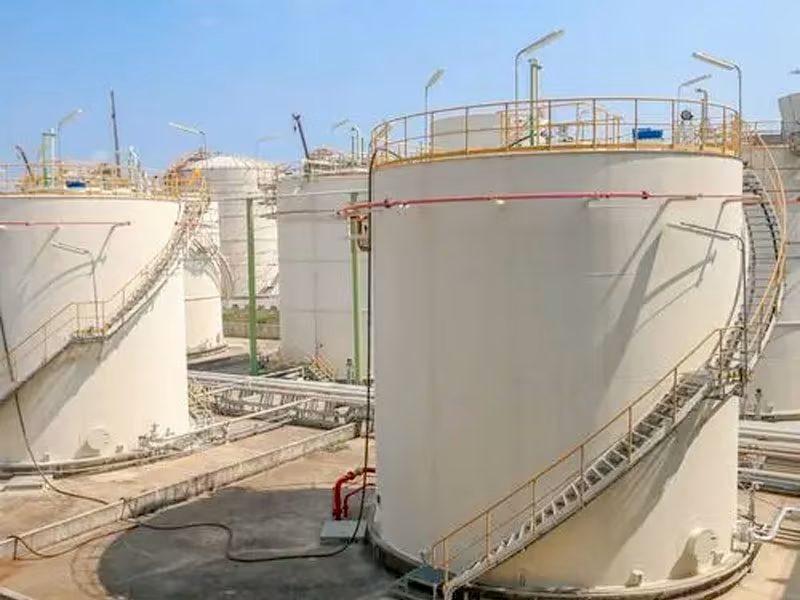
La selección de materiales suele ser la primera decisión técnica importante en el diseño de tanques y afecta directamente al rendimiento a largo plazo.
En aplicaciones industriales, los materiales de uso común incluyen:
- Acero inoxidable para ambientes que requieren resistencia a la corrosión y condiciones higiénicas
- Acero al carbono para aplicaciones estructuralmente exigentes con entornos controlados
- Materiales a base de polímeros para la resistencia química en medios específicos
- Estructuras compuestas para instalaciones ligeras y especializadas
Lo que a menudo se pasa por alto es que el rendimiento material no se trata solo de la fuerza. También se trata de cómo reacciona el material con el tiempo bajo exposición constante, cambios de temperatura y ciclos de presión interna.
El tratamiento de la superficie, el revestimiento interno y la protección anticorrosión se aplican a menudo para prolongar la estabilidad del ciclo de vida, especialmente en ambientes químicamente activos.
Opciones de diseño estructural que afectan el funcionamiento real
La geometría del tanque no se elige para la apariencia: afecta directamente el comportamiento del flujo, el acceso al mantenimiento y la distribución de presión.
Los diseños estructurales comunes incluyen:
- Configuraciones cilíndricas verticales, que se utilizan a menudo donde la eficiencia del espacio es importante
- Disposiciones horizontales para instalaciones con limitaciones de altura
- Sistemas subterráneos donde la exposición ambiental necesita ser minimizada
- Sistemas modulares diseñados para la expansión industrial escalable
En proyectos de ingeniería reales, la selección estructural a menudo se ve influenciada por el espacio de instalación, el diseño de las tuberías y la accesibilidad de mantenimiento en lugar de la capacidad teórica solo.
El papel de los estándares de ingeniería en proyectos reales
Los sistemas de almacenamiento industrial se suelen diseñar bajo marcos de ingeniería reconocidos internacionalmente. Estos estándares no son solo documentación, definen expectativas mínimas de seguridad y fiabilidad.
Las áreas clave de enfoque de ingeniería incluyen:
- Validación de carga estructural en condiciones de operación
- Calidad de soldadura y consistencia de fabricación
- Trazabilidad de materiales en las etapas de producción
- Tolerancia a la presión y márgenes de seguridad
- Requisitos de contención ambiental y prevención de fugas
En la mayoría de los proyectos industriales, el cumplimiento también está estrechamente relacionado con la aprobación operativa y la aceptación del sistema a largo plazo.
donde Tanques de almacenamiento de líquido se utilizan realmente en la industria
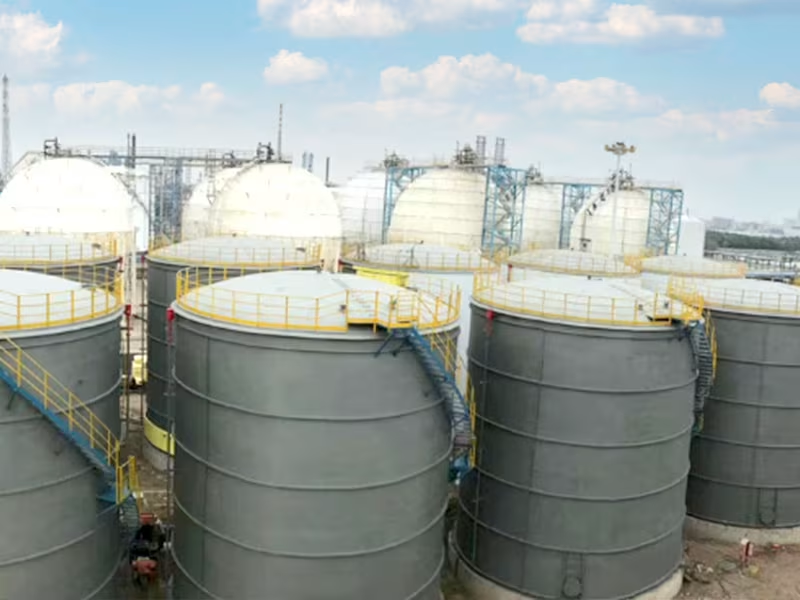
En lugar de enumerar las industrias de manera general, es más práctico comprender cómo funcionan los sistemas de almacenamiento dentro de cada entorno.
En el procesamiento químico, los tanques a menudo actúan como zonas de contención controlada para líquidos reactivos. En los sistemas de tratamiento de agua, estabilizan las variaciones de entrada y salida en las etapas de filtración. En aplicaciones relacionadas con el combustible, apoyan la protección contra el almacenamiento y el consumo.
En entornos alimentarios y farmacéuticos, el énfasis se desplaza hacia el control de la contaminación, la limpieza y la neutralidad de los materiales. Incluso problemas menores de superficie o de sellado pueden afectar la integridad del producto.
Cada aplicación crea una prioridad de ingeniería diferente, incluso si el tanque se ve similar externamente.
Por qué las fallas operativas generalmente ocurren con el tiempo
La mayoría de los problemas del sistema de almacenamiento no aparecen inmediatamente después de la instalación. Se desarrollan gradualmente a través de ciclos operativos.
Los riesgos comunes a largo plazo incluyen:
- Corrosión gradual causada por el material y la interacción media
- Degradación de sellado de la variación de presión repetida
- Acumulación de tensión estructural de cambios térmicos
- Instalación incorrecta que conduce a una distribución desigual de carga
- Retrasos de mantenimiento que causan un deterioro no detectado
El punto importante es que estos problemas son a menudo predecibles si la fase de diseño se ejecuta correctamente. Muchas fallas no son repentinas, son el resultado de la exposición mecánica y química a largo plazo.
¿Qué hace que la calidad de fabricación sea tan crítica?
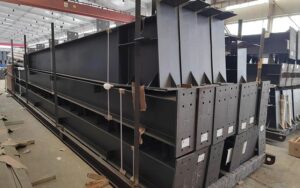
Desde una perspectiva de fabricación, líquido Tanques de almacenamiento son muy sensibles a la precisión de la producción. Las pequeñas desviaciones en la soldadura, la alineación o el tratamiento de materiales pueden afectar la estabilidad a largo plazo.
Las áreas clave de control de producción incluyen:
- Consistencia de soldadura y calidad de penetración
- Precisión dimensional a través de grandes estructuras
- Acabado superficial y uniformidad de tratamiento interno
- Alineación de refuerzo estructural
- Prueba de presión antes del parto
A diferencia de los componentes mecánicos estándar, los sistemas de almacenamiento funcionan en condiciones de carga continua, lo que hace que la consistencia de fabricación sea un factor crítico en la fiabilidad.
La ingeniería personalizada se está convirtiendo en el requisito predeterminado
En los proyectos industriales modernos, las configuraciones de tanques estándar a menudo no son suficientes. Las condiciones del sitio, el diseño de procesos y los requisitos de seguridad exigen cada vez más ingeniería personalizada.
El diseño personalizado puede implicar:
- Dimensiones ajustadas basadas en restricciones de instalación
- Estructuras reforzadas para sistemas de carga alta o de alto volumen
- Recubrimientos especializados para compatibilidad química
- Integración con sistemas de tuberías y control
- Configuraciones de unidades múltiples para operaciones distribuidas
Este cambio refleja una tendencia más amplia en la ingeniería industrial donde los sistemas se diseñan en torno a los requisitos de proceso en lugar de los modelos de equipos estandarizados.
una forma práctica de evaluar una Tanque de almacenamiento Antes de la selección
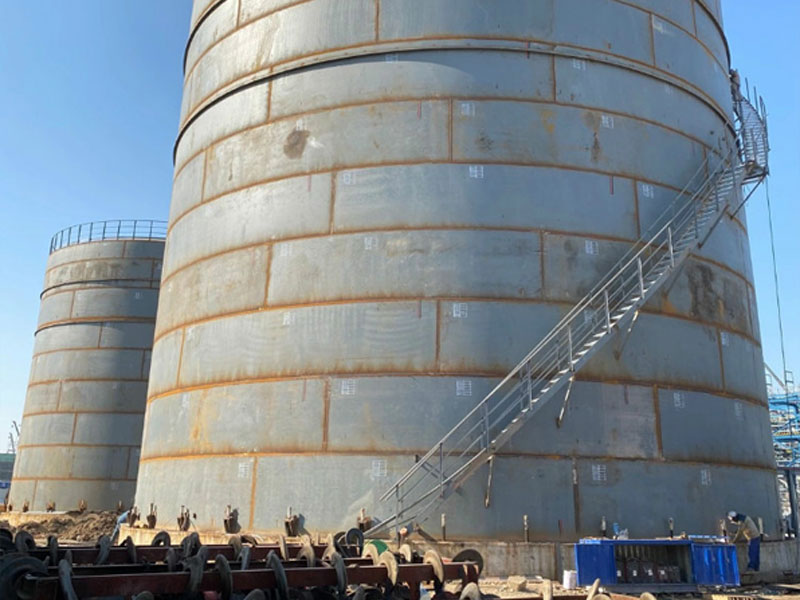
En lugar de centrarse solo en las especificaciones del producto, un método de evaluación más confiable es considerar el sistema en su conjunto:
- Qué líquido se almacenará y qué tan estable es químicamente
- ¿Qué condiciones operativas enfrentará el sistema diariamente?
- ¿Qué tan accesible es el entorno de instalación?
- ¿Qué nivel de mantenimiento se puede lograr de manera realista?
- Cómo se integra el tanque con el sistema de proceso más amplio
Cuando estos factores se evalúan juntos, la selección se vuelve más precisa y el rendimiento a largo plazo se vuelve más predecible.
idea de narración
un líquido tanque de almacenamiento No debe tratarse como una simple compra de equipo. Es un componente estructural y operativo que influye en la seguridad, la eficiencia y la estabilidad del sistema a lo largo del tiempo.
La selección de materiales, el diseño estructural, los estándares de ingeniería y la calidad de fabricación contribuyen a la forma en que el sistema funciona en condiciones del mundo real. Cuando estos elementos están alineados con el entorno industrial real, los sistemas de almacenamiento tienden a funcionar de manera más consistente y requieren menos intervenciones inesperadas.
Para los usuarios industriales, el enfoque más confiable no es solo elegir un tanque basado en la capacidad o la apariencia, sino garantizar que la lógica de ingeniería detrás del sistema coincida con la realidad operativa a la que servirá.
Preguntas frecuentes
¿Para qué sirve un tanque de almacenamiento de líquidos en sistemas industriales?
Se utiliza para almacenar y regular líquidos como agua, productos químicos, combustible o fluidos de proceso, asegurando un flujo estable y un manejo seguro dentro de las operaciones industriales.
¿Qué materiales se utilizan comúnmente para los tanques de almacenamiento de líquidos?
Los materiales más comunes incluyen acero inoxidable, acero al carbono y materiales a base de polímero, cada uno seleccionado en función de la compatibilidad química, los requisitos de resistencia y las condiciones de funcionamiento.
¿Cómo elijo el líquido correcto? tanque de almacenamiento para mi proyecto?
La selección depende del tipo de líquido, la capacidad requerida, el entorno de instalación, las condiciones de temperatura y los requisitos de integración del sistema dentro del proceso general.
¿Qué industrias utilizan comúnmente tanques de almacenamiento de líquidos?
Son ampliamente utilizados en el procesamiento químico, el tratamiento de agua, la producción de alimentos y bebidas, la fabricación de productos farmacéuticos y aplicaciones relacionadas con la energía.
¿Cuáles son los principales factores que afectan el rendimiento del tanque de almacenamiento de líquido?
Los factores clave incluyen la selección de materiales, el diseño estructural, la calidad de fabricación, la resistencia a la corrosión y las prácticas adecuadas de instalación y mantenimiento.
Continuar leyendo
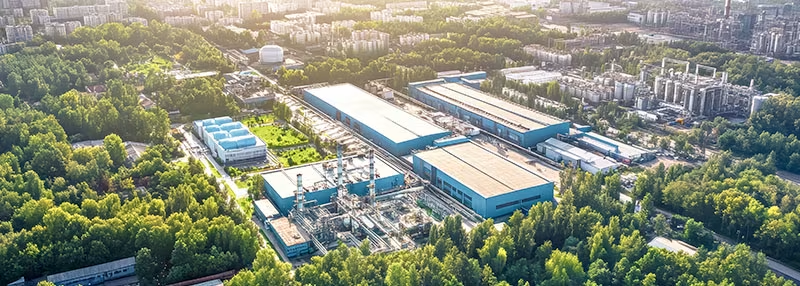
Shandong No.7 Construction Engineering Co., Ltd. es una empresa de construcción moderna a gran escala que integra I+D, diseño, producción, construcción y contratación general de estructuras de acero, con negocios que cubren los mercados nacionales e internacionales.