Large-Span Spatial Structures: Design, Construction and Development of Space Truss & Pipe Truss

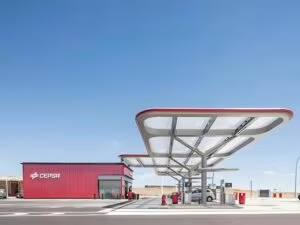
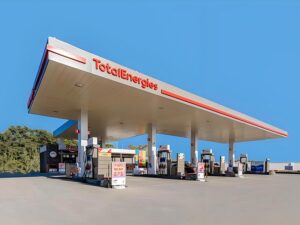
Large-span spatial structure is an important representative of modern architectural technology, widely used in stadiums, airports, high-speed rail stations, convention centers, large-scale factory buildings and other landmark buildings. Among them, space truss and pipe truss have become the preferred structural forms for large-span buildings due to their reasonable stress, large span, beautiful shape and fast construction. They can achieve super-large space coverage with fewer supports, while meeting the dual needs of architectural aesthetics and structural safety.
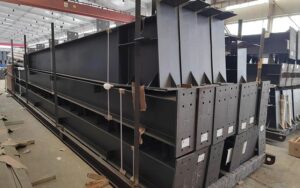
Space truss is composed of many members combined according to certain rules, with good spatial mechanical performance, high overall rigidity and excellent seismic performance. Pipe truss uses round pipes as the main components, with smooth shape and good visual effect, especially suitable for public buildings and landmark projects. In the design stage, professional software is needed for mechanical calculation, joint optimization and structural analysis; in the construction stage, precise factory production and orderly on-site assembly are required to ensure overall quality and installation accuracy.
Shandong No.7 Construction has complete production lines for space truss and pipe truss, equipped with professional design team and experienced construction team, and can undertake various large-span spatial structure projects. From scheme design, detailed drawing, component processing to on-site installation and quality acceptance, the company implements the whole-process control, strictly implements industry standards, and ensures the safe, efficient and high-quality implementation of each project.
With the continuous innovation of architectural technology, large-span spatial structures will develop towards lighter, intelligent and green directions. Shandong No.7 Construction will continue to improve its technical strength, constantly break through structural limits, and provide solid and reliable structural support for more urban landmarks and public buildings.
Continue reading
Shandong No.7 Construction Engineering Co., Ltd. is a large-scale modern construction enterprise integrating R&D, design, production, construction and general contracting of steel structures, with business covering both domestic and international markets.