Сборная стальная строительная справочник для промышленных проектов, которым нужна скорость, прочность и пространство для роста
введение
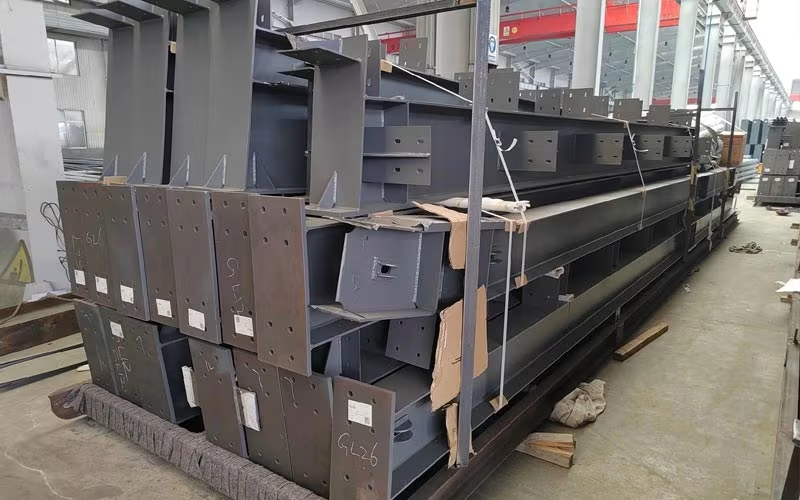
Для многих владельцев промышленности само здание стало частью производственной стратегии. Склад, который не может расширяться, мастерская с плохим планированием крана или логистическое предприятие со слишком большим количеством внутренних колонн может замедлить работу в течение многих лет. Вот почему все больше владельцев проектов обращают внимание на модель сборки стальных зданий.
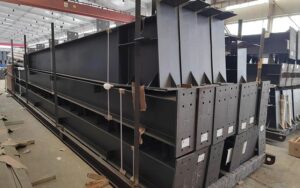
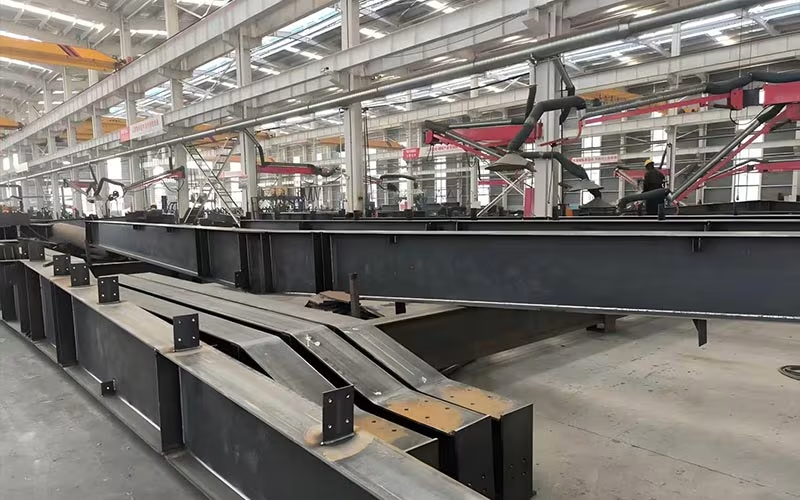
Сборное стальная сооружение — это не просто “стальный сарай”. Для промышленного использования это инженерная система здания, в которой перед изготовлением планируются основная стальная рама, вторичные элементы, системы крыши и стен, детали соединения и последовательность установки. Большинство компонентов изготавливаются в контролируемой мастерской, поставляются на площадку и собираются в соответствии с утвержденными чертежами.
Для складов, производственных предприятий, логистических центров, оборудования, сельхозтехники и коммерческих промышленных парков этот метод может уменьшить сложность площадки и улучшить координацию строительства. Главное не только выбор стали. Реальная ценность приходит от сопоставления системы здания с фактической операцией.
Если вы планируете завод, мастерскую, склад или большой пролет, Shandong No.7 Construction предоставляет интегрированные Решения для стальных конструкци Охватывает проектирование, производство, строительство и поддержку проекта.
Почему промышленные покупатели выбирают сборные стальные здания
Промышленные покупатели обычно заботятся о пяти вещах: график проекта, надежность конструкции, полезное пространство, последующее техническое обслуживание и потенциал расширения. Сборное сталелитейное здание может поддерживать эти цели, поскольку большая часть работ переходит от неопределенных условий на участке на контролируемое производство.
В отличие от традиционных методов строительства, которые в значительной степени зависят от формирования, отверждения и множественных сделок, работающих последовательно, стальные компоненты могут быть обработаны, проверены, маркированы и отправлены до начала установки. Это упрощает координацию проекта, особенно когда на площадке находится тесная поставка или когда необходимо установить производственное оборудование вскоре после завершения конверта.
Еще одна причина, по которой покупатели выбирают этот тип здания, — это гибкость планировки. Стальные рамы могут поддерживать большие зоны с прозрачными пролетами, высокие карнизы, широкие двери, мезонинные платформы, системы вентиляции, крановые балки и будущие расширения. Для промышленных пользователей эти детали напрямую влияют на ежедневный рабочий процесс.
Хорошо спланированное здание из сборной стали может быть особенно ценным, когда объекту необходимо:
- Открытая площадь для хранения или производства линий
- Быстрое покрытие для защиты оборудования
- Четкие логистические маршруты для грузовых автомобилей и погрузчиков
- Поддержка крана или подъемника
- Будущее расширение с одной или нескольких сторон
- Снижение влажной работы на площадке
- Прочная система крыши и стены
Здание следует рассматривать как операционный инструмент, а не только как строительную оболочку.
Что на самом деле включает в себя сборочное стальная сторожка
Полное сборное здание из сборной стали обычно состоит из нескольких подключенных систем. Каждая система влияет на другие, поэтому важна ранняя координация.
| система строительства | основная функция | Основные соображения покупателя |
|---|---|---|
| Основной стальной каркас | Несет основные конструктивные нагрузки | Пролет, расстояние между колонками, высота, нагрузка крана, ветровая нагрузка, сейсмические требования |
| Второстепенные член | Поддержка крыши и стеновых панелей | Промежуточный интервал, расположение подружки, расположение распорок |
| кровельная система | Защищает здание от погодных условий | Дренаж, изоляция, световые люки, доступ к техническому обслуживанию |
| система стен | Обеспечивает облицовку и внешний вид | Тип панели, отверстия, вентиляция, пожарные и тепловые требования |
| система крепления | Повышает структурную стабильность | Схема воздействия на двери, окна, оборудование и будущее расширение |
| Система подключения | Позволяет безопасной сборке на месте | Качество болта, детали сварки, последовательность монтажа |
| аксессуары | Поддержка ежедневного использования здания | Двери, окна, водосточные желоба, жалюзи, вентиляция, лестницы, платформы |
| Защита поверхности | Помогает противостоять корроз | Система окраски, цинкование, местный климат, операционная среда |
Для проектов, требующих более сложных пролетов или пространств общественного использования, покупатели могут также рассмотреть стальная ферменная конструкция или космический строй системы вместо стандартной портальной рамы.
Начните с использования здания, а не с размера здания
Одна из распространенных ошибок заключается в том, чтобы запрашивать цитату, основанную только на длине, ширине и высоте. Эти размеры имеют значение, но их недостаточно. Сборное стальная конструкция должна быть спроектирована по его рабочему сценарию.
Прежде чем обсуждать чертежи, уточните, что должно делать здание.
Для склада ключевые вопросы могут включать:
- Какой тип товаров будет храниться?
- Будут ли внутри работать вилочные погрузчики, грузовики или автоматизированные системы?
- Какая необходимая четкая высота?
- Нужны ли погрузочные доки, площадки с навесом или широкие роликовые двери?
- Потребуется ли здание контроля температуры?
Для семинара вопросы разные:
- Поддержит ли здание краны?
- Существуют ли тяжелые машины с вибрацией?
- Присутствует ли сварка, покрытие, пыль, пар или тепло?
- Достаточно ли естественной вентиляции или требуется механическая вентиляция?
- Нужна ли планировка зарезервированные зоны для будущего оборудования?
Для логистического объекта фокус снова смещается:
- Сколько входов в транспортные средства требуется?
- Какой радиус поворота нужен вокруг здания?
- Стоит ли крыша распространяться над площадями погрузки?
- Будет ли здание работать день и ночь?
- Включены ли офисы, смотровые комнат или антресоли?
Чем лучше будет определен сценарий использования, тем точнее будет план конструкции и изготовление.
Вопросы по структурному дизайну, которые формируют весь проект
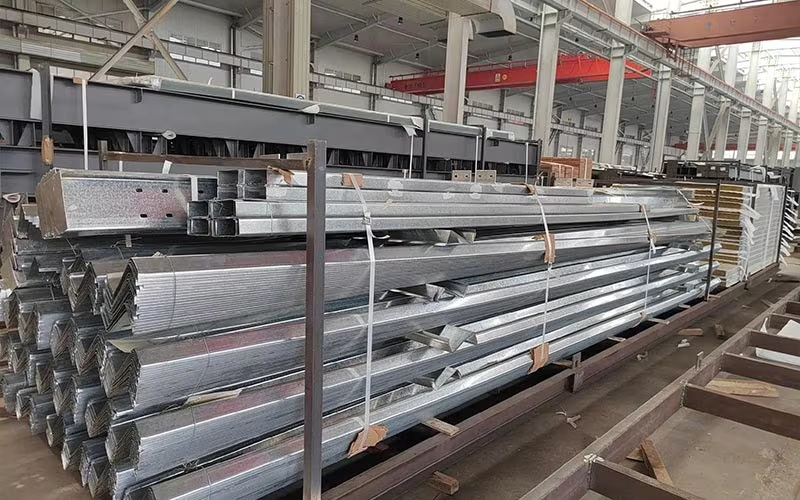
Сборное стальная конструкция должна быть спроектирована для реальных нагрузок, а не только для внешнего вида. В конструкции конструкции должны учитываться местные строительные нормы, погодные условия, эксплуатационные нагрузки и требования к эксплуатации.
Важные вводные данные проекта включают в себя:
- Смертельная нагрузка из самого здания
- Живой нагрузок от обслуживания и использования
- Ветровая нагрузка на местном климате
- Снежная нагрузка, где это при
- Сейсмические требования в зонах землетрясения
- Крановые нагрузки, если используется подъемное оборудование
- Нагрузки оборудования с платформ или подвесных систем
- Ограничения на отклонение крыши, стен, кранов и дверей
- Требования к противопожар
- Коррозионное воздействие химических веществ, влажности или прибрежного воздуха
Американский институт металлоконструкций предоставляет полезные технические ресурсы для проектирования конструкционной стали через AISC, пока Международный строительный код часто упоминается в обсуждениях строительного кодекса. Для металлостроительных систем МБМА проектные ресурсы также полезны для понимания соображений проектирования на уровне системы.
Для международных проектов окончательная базовая основа всегда должна быть подтверждена в соответствии с местоположением проекта, местными правилами, требованиями владельцев и проверкой инженера.
Тип кадра: портальная рама, ферма или пробел.
Не каждое сталеплавильное здание должно использовать одинаковую структурную форму. Выбор неправильного типа рамы может затруднить изготовление здания, его сложнее установить или менее эффективно для повседневных операций.
Портальная рама широко используется для промышленных складов, цехов и общепроизводственных объектов. Он предлагает практичный баланс прочности, пространства и эффективности изготовления.
Стальная конструкция фермы полезна, когда проект требует более длительных пролетов, более легкой поддержки крыши или более открытой архитектурной формы. Он может быть пригоден для больших промышленных крыш, транспортных средств, выставочных залов или зданий, где вес конструкции требует тщательного контроля.
Пространство часто выбирают для крыш с большими пролетами, стадионов, общественных зданий, терминалов и специальных архитектурных помещений. Его трехмерная передача силы может поддерживать широкие зоны покрытия с относительно легкой структурой.
| Тип структуры | Оптимальные приложения | главное преимущество |
| портальный каркас | Склады, мастерские, логистические здания | Эффективная планировка и быстрая сборка |
| тяжелая стальная рама | Многоэтажные промышленные или коммерческие здания | Сильная вертикальная и боковая нагрузка |
| стальной вертолет | Крыши, крыши, залы, промышленные крышки | Хорошая производительность пролета с оптимизированным использованием материалов |
| космический строй | Стадионы, терминалы, общественные здания | Сильная трехмерная стабильность и широкая пролетная способность |
Для проектов, связанных с многоэтажными офисами, коммерческими зданиями или многофункциональными помещениями, Shandong No.7 Construction также предоставляет коммерческая стальная конструкция Решения.
Системы крыш и стен имеют большее значение, чем многие покупатели ожидают
Основная стальная рама получает большую часть внимания, но системы крыш и стен сильно влияют на ежедневные характеристики строительства. Некачественная оболочка может привести к утечке воды, притоку тепла, конденсации, плохому освещению и повышению потребностей в техническом обслуживании.
При планировании системы крыш покупатели должны учитывать уклон крыши, направление дренажа, емкость водосточного желоба, изоляцию, размещение светового освещения и доступ для проверки. Если здание расположено в дождливой, снежной, жаркой или агрессивной среде, спецификацию крыши следует отрегулировать соответствующим образом.
Настенные системы должны выбираться в соответствии с функцией здания. Склад может отдавать предпочтение прочной облицовке и широким дверным проемам. В мастерской могут потребоваться вентиляционные жалюзи, выпускные отверстия и более прочные стеновые панели в зонах вилочного погрузчика. Коммерческое промышленное здание может потребовать более чистый внешний вид и лучшие тепловые характеристики.
Хорошая планировка крыши и стен может помочь уменьшить поздние проблемы, такие как:
- Накопление воды вблизи краев крыши
- Конденсат, капающий внутри здания
- Плохое естественное освещение
- Недостаточная вент
- Деформация панели вокруг больших отверстий
- Сложность технического обслуживания в водосточных желобах или кровельном оборудован
Для длительного использования детали корпуса должны быть обсуждены заранее, а не после того, как стальная рама уже была завершена.
Качество изготовления: что покупатели должны проверить перед заказом
Заводская обработка является одним из главных преимуществ сборного сталеплавильного здания. Однако это преимущество работает только тогда, когда поставщик имеет надлежащий контроль производства.
Покупатели должны обратить внимание на:
- Материалы прослеживаемость
- точность резки
- качество сварки
- Расположение отверстий
- Компонент прямолинейность
- Требования к пробной сборке, где это необходимо
- Обработка поверхности перед покраской
- Маркировка компонентов и упаковка
- Документация по и
- Согласованность рисования между дизайном и производством
Хороший поставщик должен не только производить стальные компоненты. Он также должен контролировать поток информации между проектированием, производством, логистикой и монтажом на площадке.
Shandong No.7 Construction Технологии и инновации Пейдж знакомит с технологией интеллектуального производства, технологией полной отрасли, зеленой разработкой и интегрированной поддержкой.
Условия фундамента и площадки не могут рассматриваться как запоздалые мысли
Даже лучшая стальная рама создаст проблемы, если условия фундамента и площадки не согласованы. Промышленные здания часто включают тяжелые нагрузки на пол, требования к дренажу, подъездные дороги, заглубленные коммунальные предприятия и фундамент оборудования.
Перед началом изготовления проектная группа должна подтвердить:
- несущая способность почвы
- Тип фундамента
- Схема анкерного болт
- Требования к нагрузке на
- наклон дренажа
- Местоположение ямы или траншеи
- Подземные трубопроводные маршруты
- Доступ к грузовику и крану для установки
- Временная зона хранения стальных компонентов
Особенно важна точность анкерного болта. Если анкерные болты неуместны, монтаж на площадке может быть задержан, а детали соединения могут потребовать исправления. Скоординированный план фундамента помогает избежать дорогостоящих корректировок площадки.
Для зарубежных проектов обязанности по фундаменту должны быть четко разделены между поставщиком стальной конструкции, гражданским подрядчиком, владельцем проекта и местным инженером. Это предотвращает пробелы между структурными чертежами и выполнением площадки.
Безопасность и планирование монтажа должны начинаться до доставки
Стальная эрекция – это не только монтажная задача. Это процесс безопасности строительства, который требует планирования последовательности, координации подъема, временной фиксации, защиты от падения и связи на площадке.
выше Оша стальной эрекция Страница темы является полезным справочником для понимания того, почему к безопасности эрекции стали следует относиться серьезно. Хотя требования варьируются в зависимости от страны и местонахождения проекта, принцип универсален: здание должно быть возведено безопасным, контролируемым и надлежащим образом секвенированным образом.
В практический план эрекции должны входить:
- Последовательность разгрузки компонентов
- Временная планировка хранилища
- Маршрут доступа крана
- Точки подъема и подъемный вес
- Последовательность монтажа болтов
- Временный метод крепления
- Высотная защита работы
- Погодные ограничения для снятия
- Осмотр перед монтажом крыши и стены
- Связь между командой по установке и менеджером проекта
Когда стальные компоненты четко маркированы и чертежи легко следовать, сборка площадки становится более эффективной. Вот почему качество рисования и контроль упаковки являются частью качества строительства, а не только документами.
Как выбрать поставщика для сборного стальной строения
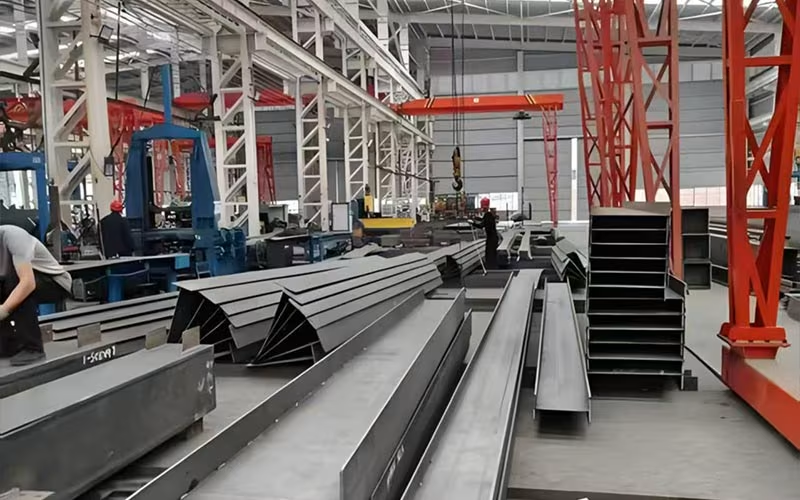
Выбор поставщика только по низкому первоначальному предложению может создать скрытые риски. Промышленным зданиям требуется инженерное суждение, контроль производства, планирование доставки и поддержка установки.
Перед выбором поставщика используйте следующий контрольный список:
| Зона оценки | Что спросить | Почему это важно |
| инженерные способности | Может ли поставщик поддерживать обзор и оптимизацию дизайна? | Снижает структурные и координационные риски |
| Производственная мощность | Есть ли на заводе подходящие возможности для резки, сварки и сборки? | Помогает поддерживать качество и стабильный график |
| Опыт проекта | Поставщик справился с подобными типами зданий? | Улучшает решение проблем при планировании |
| контроль качества | Имеются ли записи о проверках и материалы, связанные с материалами? | Поддерживает прослеживаемость и приемку |
| обработка поверхности | Какой антикоррозионный метод рекомендуется? | влияет на длительную стойкость |
| Планирование доставки | Как маркируются, упаковываются и отправляются компоненты? | Уменьшает путаницу на сайте |
| Поддержка установки | Может ли поставщик дать техническое руководство? | Помогает командам сайта следовать правильной последовательности |
| адаптация | Может ли дизайн адаптироваться к кранам, дверям, мезонинам и расширению? | Обеспечивает соответствие здания работе |
Shandong No.7 Construction предложения Универсальные услуги по стальной структуре Охватывает исследования и разработки, производство и производство, инженерное строительство, управление проектами, услуги по проекту за рубежом и послепродажное обслуживание.
Практический сценарий проекта: расширение логистического склада
Рассмотрим логистическую компанию, планирующую расширить свои возможности по распределению. Компании нужен новый склад, соединенный с существующей верфью. Здание должно обеспечивать погрузку грузовиков, циркуляцию вилочных погрузчиков, будущую корректировку стеллажей и возможное расширение после роста бизнеса.
Слабый план начался бы только с простого размера здания. Лучший план начинается с операционного потока.
Группа проекта сначала сопоставляет вход грузовика, направление загрузки, зоны хранения, маршруты пешеходов, доступ к пожару и будущие зоны расширения. Затем планируется стальная рама с подходящим расстоянием между колоннами, чтобы избежать помех при токарном станке вилочного погрузчика и компоновке стойки. Расположение дверей согласуется с движением грузовика. Дренаж крыши проектируется вдали от участков погрузки. На стенах планируются проемы для вентиляции и естественного освещения.
Поскольку склад может расшириться позже, одна сторона конструкции разработана с учетом будущих расширений. Расположение распорных станций расположено так, чтобы они не блокировали запланированные отверстия. Положения анкерных болтов, компоновка панели и детали кромки крыши перед изготовлением проверяются.
В этом сценарии сборное здание из стали не просто быстрый способ строительства. Он становится гибким логистическим платформой, которая поддерживает текущее использование и будущий рост.
Распространенные ошибки, которых следует избегать перед размещением заказа
Перед началом производства создается множество проблем в стальных строительных проектах. Покупатели могут избежать этих ошибок с помощью лучшего раннего планирования.
Первая ошибка — это только основное внимание в области строительства. Большую конструкцию не всегда лучше, если колонная решетка, планировка двери и четкая высота не соответствуют операции.
Вторая ошибка — игнорирование местных нагрузок. Перед окончательными ценообразованием и обработкой должны быть рассмотрены ветер, снег, сейсмические условия и местные кодексы.
Третья ошибка — это рассмотрение крыш и стеновых панелей как незначительных аксессуаров. В реальном использовании конверт влияет на комфорт, предотвращение утечек, энергоэффективность и обслуживание.
Четвертая ошибка — неспособность спланировать расширение. Если владелец ожидает будущего роста, здание должно быть спроектировано со съемными стенами, выдвижными рамами или зарезервированными зонами планировки, где это возможно.
Пятая ошибка заключается в том, что слишком много отделяет дизайн, изготовление и монтаж. Когда слишком много сторон работают без координации, более вероятными становятся конфликты с рисованием и задержки на сайтах.
Шестая ошибка не подтверждает защиту от коррозии. Промышленные среды могут включать в себя влажность, химические вещества, соленый воздух, пыль или высокие температуры. Обработка поверхности должна соответствовать операционной среде.
Когда сборное стальная конструкция не лучше всего подходит
Сборная стальная конструкция очень универсальна, но автоматически не является лучшим ответом для каждого проекта. Если здание требует чрезвычайно сложных архитектурных форм, специального пожаротушения, необычных акустических характеристик или интенсивной интеграции процессов, конструкция может потребовать более индивидуальный инженерный подход.
В некоторых случаях лучше, что гибридное решение может быть лучше. Например, в проекте может использоваться тяжелая стальная рама с бетонными сердечниками или стальная конструкция в сочетании со специализированными системами ограждений. Большие общественные здания могут потребовать космическую раму или фермы, а не стандартную портальную раму.
Правильный вопрос: “Подходит ли сталь?” Правильный вопрос: “Какая система стальной конструкции лучше всего соответствует функциям здания, нагрузке, коду, графику и долгосрочной эксплуатации?”
Зачем работать с подрядчиком по интегрированной стали?
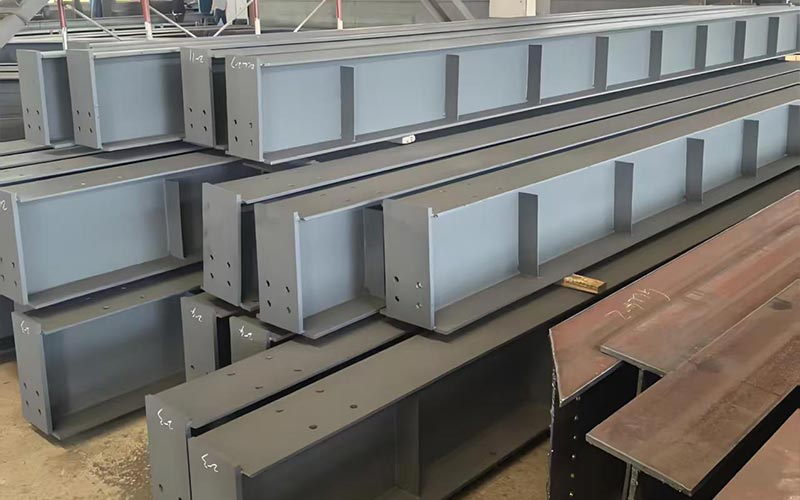
Сборное стальная конструкция включает в себя множество связанных решений. Дизайн влияет на изготовление. Изготовление влияет на доставку. Доставка влияет на эрекция. Эрекция влияет на график. Расписание влияет на способность владельца начать производство или эксплуатацию.
Именно поэтому интегрированный подрядчик может быть ценным для промышленных проектов. Вместо управления отключенными поставщиками покупатели могут работать с одной технической командой, которая понимает весь процесс.
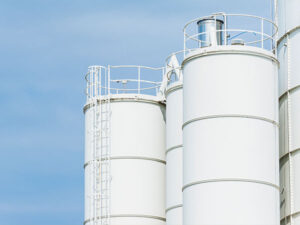
Shandong No.7 Construction предлагает изделия из стали, такие как легкая сталь, тяжелая сталь, космические фермы, трубные фермы, металлические панели крыши, настилы ферм, напольные покрытия CZ, резервуары для хранения и стальные силосы. Покупатели могут просмотреть полный ассортимент продукции через Продукция паж.
Для владельцев проектов, которым нужно специальное решение, наилучшим шагом будет подготовка базовой информации по проекту и связаться с командой инженеров через Свяжитесь с нами паж.
Полезная информация для подготовки включает в себя:
- Местонахождение здания
- предполагаемое использование
- Примерная длина, ширина и высота
- Требования к крану или оборудованию
- Требования к двери и окнам
- Местные ветер, снег или сейсмические условия, если они доступны
- Предпочтительная система крыши и стен
- Ожидаемый график строительства
- план расширения
- Любые доступные рисунки или фотографии сайта
Чем точнее ввод, тем практичнее будет предложение.
заключение
Сборное сталелитейное здание может помочь владельцам промышленности быстрее строить, более эффективно использовать пространство и готовиться к будущему расширению. Но результат зависит от раннего планирования. Покупатели должны выходить за рамки основных размеров и учитывать структурные нагрузки, использование здания, крышу и стены, координацию фундамента, безопасность возведения и возможности поставщиков.
Для складов, мастерских, логистических центров, производственных предприятий и больших пролетов наиболее прочным решением обычно не является самое простое. Это тот, который соответствует реальной работе проекта.
Shandong No.7 Construction поддерживает промышленных и коммерческих владельцев с интегрированными проектными, производственными и проектными услугами. Если вы планируете новое здание сборной стали, начните с операционных потребностей, а затем поработайте с технической командой, которая может превратить эти потребности в строительную конструкцию.
ЧАСТО ЗАДАВАЕМЫЕ ВОПРОСЫ
Что такое сборное здание из стали?
Сборная стальная конструкция представляет собой конструкцию, изготовленную из заводских стальных компонентов, которые поставляются на площадку и собираются в соответствии с утвержденными чертежами. Он обычно используется для складов, мастерских, промышленных зданий и логистических объектов.
Подходит ли сборное стальная сторожевая площадка для склада?
да. Он подходит для многих складских проектов, поскольку может обеспечить открытое пространство, гибкие расстояния между колоннами, широкие двери, высокую четкую высоту и возможности расширения в будущем.
Могут ли сборные стальные здания поддерживать верхние краны?
Да, но требования крана должны быть включены в конструкцию конструкции с самого начала. Емкость крана, пролет, высота подъема, рабочая рабочая тяга и детали взлетно-посадочной полосы должны быть подтверждены перед изготовлением.
Какая информация нужна перед запросом цитаты?
Основная информация должна включать размер здания, местоположение, предполагаемое использование, местные требования к нагрузке, планировку дверей и окон, потребности в кране, предпочтения в крыше и стене, а также любые доступные чертежи площадки.
Сколько длится сборное здание из стали?
Срок службы зависит от качества конструкции, выбора материала, защиты поверхности, местной среды и обслуживания. Правильная антикоррозионная обработка и регулярный осмотр могут помочь поддержать долгосрочную работу.
Можно ли расширить сборную стальную конструкцию?
Многие стальные здания могут быть спроектированы для будущего расширения. Если расширение вероятно, его следует обсуждать на начальном этапе проектирования, чтобы можно было правильно спланировать раму, распор, систему стен и компоновку площадки.
В чем разница между портальным кадром и пробелом?
Портальная рама обычно используется для складов и мастерских, а космическая рама представляет собой трехмерную структурную систему, часто используемую для крыш с большими пролетами, общественных зданий, стадионов и терминалов.
Почему стоит выбрать интегрированного подрядчика, а не отдельных поставщиков?
Комплексный подрядчик может более эффективно координировать проектирование, изготовление, поставку и монтажную поддержку. Это уменьшает пробелы в общении и помогает улучшить управление проектом от планирования до завершения.
Продолжить чтение
Shandong No.7 Construction Engineering Co., Ltd. - это крупномасштабное современное строительное предприятие, объединяющее НИОКР, проектирование, производство, строительство и генеральное заключение контрактов на стальные конструкции, бизнес которого охватывает как внутренний, так и международный рынки.