Руководство по покупке химического резервуара для хранения: как выбрать правильный резервуар для вашего объекта
Правильный выбор резервуара для химикатов — это не просто решение о покупке. Это решение о безопасности, решение об эффективности производства и долгосрочное решение о затратах. На промышленных предприятиях химикаты часто хранятся в больших объемах, регулярно обрабатываются и связаны с обработкой, дозированием, смешиванием, очисткой сточных вод или производственными системами. Если материал резервуара, емкость, структура или фитинги не подходят для хранимого химического вещества, результатом может быть утечка, коррозия, загрязнение, отказ оборудования или дорогостоящий простоя.
Для покупателей, инженеров, менеджеров заводов и групп закупок проблема очевидна: существует множество типов Химические резервуары для хранения В наличии, но не каждый бак подходит для каждого химиката. Резервуар, используемый для серной кислоты, может не подходить для гипохлорита натрия. Бак, используемый в помещении, может потребоваться, не такой, как у установленного на открытом воздухе. Небольшой дозирующий резервуар может иметь очень разные требования к конструкции, чем резервуар для хранения химикатов, используемый на химическом заводе.
Как производитель химических резервуаров для хранения, мы понимаем, что покупателям нужно больше, чем стандартный список продуктов. Им необходимо четкое руководство по выбору материала, конструкции резервуара, емкости, химической совместимости, характеристикам безопасности, условиям установки и возможностям настройки. В этом руководстве объясняются ключевые факторы, которые вы должны учитывать, прежде чем выбирать химический резервуар для вашего предприятия.
Что такое химический резервуар для хранения?
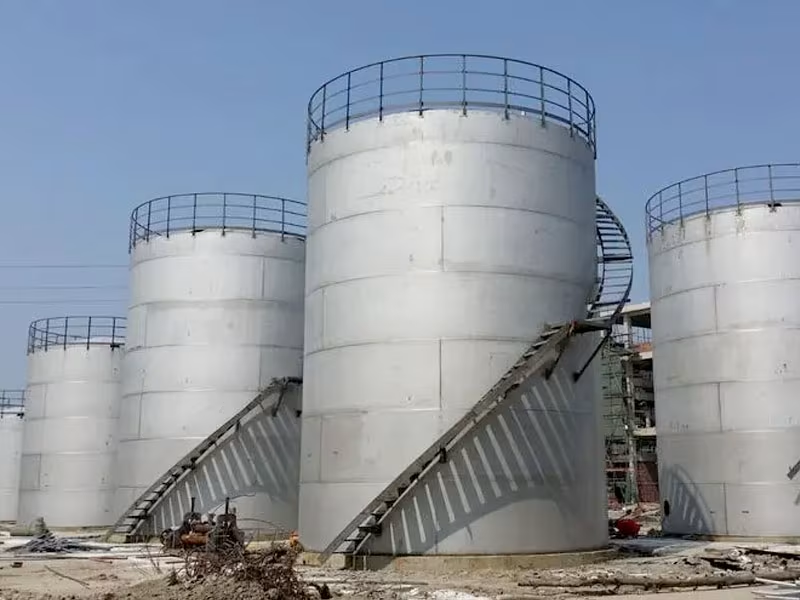
Химический резервуар - это специально разработанный контейнер, используемый для хранения промышленных химикатов, кислот, щелочей, растворителей, жидких удобрений, химикатов для очистки сточных вод и других жидких материалов. В отличие от обычных резервуаров для воды, резервуары для хранения химикатов должны быть выбраны в соответствии с химическими свойствами хранимой жидкости.
Бак должен быть способен противостоять коррозии, противостоять рискам химической реакции, поддерживать прочность конструкции и поддерживать безопасную работу в течение долгого времени. В зависимости от приложения, Химический резервуар для хранения Может быть изготовлен из полиэтилена, HDPE, FRP, нержавеющей стали, углеродистой стали или фасадной стали.
Химические резервуары для хранения обычно используются в:
- химические заводы
- водоочистные сооружения
- Системы очистки сточных вод
- Сельское хозяйство и хранение
- горные операции
- Нефтегазовые объекты
- пищевая промышленность
- фармацевтическое производство
- Гальваническое покрытие и обработка поверхности
- Промышленные производственные мощности
Хорошо спроектированный резервуар для хранения химикатов помогает защитить рабочих, оборудование, окружающие объекты и окружающую среду. Он также поддерживает стабильную продукцию, гарантируя, что химические вещества хранятся безопасно и эффективно поставляются при необходимости.
Почему так важно правильно выбрать химический резервуар для хранения
Многие покупатели сосредотачиваются в первую очередь на цену, но самый дешевый танк не всегда является самым экономичным выбором. Химический резервуар для хранения работает в условиях, требующих особого внимания. Он может столкнуться с коррозионными жидкостями, воздействием наружного УФ-излучения, изменениями температуры, изменениями давления, химическими парами и непрерывной работой.
Если бак не выбран должным образом, после установки могут возникнуть проблемы. Эти проблемы могут включать растрескивание, отечность, деформацию, протекание фитингов, коррозию, затрудненное очистку или сокращение срока службы. В серьезных случаях отказ резервуара может остановить производство и создать риски для безопасности.
Правильный резервуар для хранения химикатов должен соответствовать следующим условиям:
- Тип хранимого химиката
- химическая концентрация
- Температура хранения
- Удельный вес жидкости
- Необходимая ем
- Внутренняя или наружная установка
- Ограничения пространства
- Требования к соединению труб
- Вторичные потребности в сдерживании
- Требования к техническому обслуживанию и
- Местные требования безопасности и окружающей среды
Для промышленных покупателей надежный резервуар для хранения химикатов должен не только удовлетворять потребности в накопителях в наши дни, но и поддерживать длительную эксплуатацию при низких эксплуатационных расходах и стабильной производительности.
Основные виды химических резервуаров для хранения
Химические резервуары для хранения доступны в различных конструкциях и формах. Выбор правильного типа зависит от емкости хранения, расположения площадки, химических свойств и требований безопасности.
Вертикальный резервуар для хранения химика
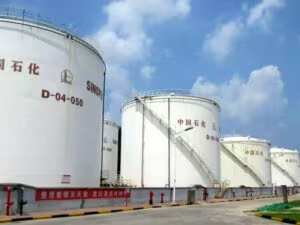
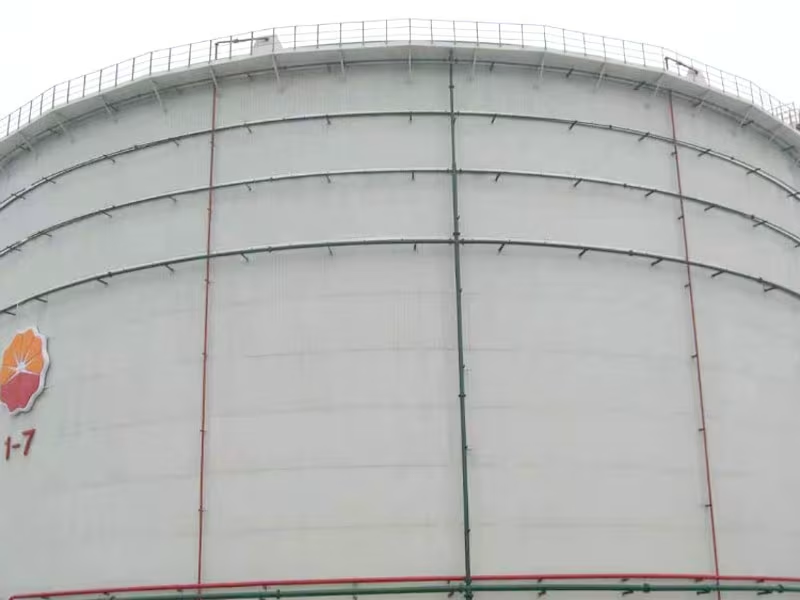
Вертикальный резервуар для хранения химикатов является одним из наиболее распространенных типов, используемых в промышленных предприятиях. Он имеет меньшую площадь и подходит для площадок, где площадь ограничена. Вертикальные резервуары часто используются для хранения большой емкости в водоочистных сооружениях, химических заводах, производстве удобрений и в промышленных системах дозирования.
Основное преимущество вертикального резервуара – эффективное использование пространства. Также проще расположить несколько резервуаров в производственной зоне. Для хранения химических веществ в большом объеме вертикальные резервуары часто являются практичным и экономичным решением.
Горизонтальный резервуар для хранения
Горизонтальный резервуар для хранения химикатов подходит для тех случаев, когда высота ограничена или когда резервуар должен быть установлен на скользящую раму, прицеп или опорную раму. Горизонтальные резервуары обеспечивают более низкий центр тяжести, что может быть полезно в некоторых установках.
Они обычно используются для транспортировки, временного хранения, химических систем дозирования и помещений с ограниченным вертикальным пространством. При выборе горизонтального резервуара покупатели должны обратить внимание на поддержку дизайна, размещения седла и компоновки трубопровода.
Одностенный резервуар для хранения химикатов
Одна стена Химический резервуар для хранения Имеет один корпус танка. Он часто используется для химикатов с более низким уровнем риска или в районах, где уже предусмотрена внешняя вторичная локализация.
Одностенные резервуары обычно более экономичны, чем двойные. Однако они требуют тщательного планирования площадки. Если требуется защита от утечки, резервуар должен быть установлен с емкостью, насыпью или другой защитной системой.
Двойная стенка химиката для хранения
Двойной химический резервуар для хранения химикатов имеет внутренний резервуар и наружный слой защиты. Эта конструкция обеспечивает дополнительную защиту в случае утечки внутренней стенки. Баки с двойными стенками часто выбираются для опасных химических веществ, агрессивных жидкостей или с применением строгих требований безопасности.
Для покупателей, которые хотят снизить риск утечки и повысить безопасность на площадке, двойной стеной химиката может быть хорошим вариантом. Это особенно полезно, когда внешняя оболочка трудно построить или когда химические вещества хранятся вблизи чувствительных областей.
Надземный химический резервуар для хранения
На поверхности установлен резервуар для хранения химикатов, что упрощает проверку, техническое обслуживание и соединение труб. Он широко используется в промышленных целях, потому что проблемы можно найти быстрее, чем с подземными резервуарами.
Надземные резервуары могут быть вертикальными, горизонтальными, одно- или двойными стенками. Для установки на открытом воздухе следует учитывать устойчивость к ультрафиолетовому излучению, защиту от атмосферных воздействий, дизайну фундамента и безопасному доступу.
Подземный химический резервуар для хранения
Подземный химический резервуар для хранения экономит поверхностное пространство и может защитить резервуар от некоторых внешних воздействий. Однако для этого также требуется более прочная антикоррозионная конструкция, обнаружение утечек и профессиональная установка.
Поскольку подземные резервуары сложнее осмотреть и отремонтировать, они обычно выбираются только тогда, когда условия на участке требуют подземного хранения. Покупатели должны тщательно оценивать доступ к техническому обслуживанию, условия почвы, риски подземных вод и требования безопасности.
Как правильно выбрать материал для хранения химикатов
Выбор материала является одним из наиболее важных решений при покупке химического резервуара для хранения. Различные материалы имеют различную химическую стойкость, температурную стойкость, прочность, стоимость и срок службы.
Полиэтиленовый химический бак для хранения
Резервуар для хранения химикатов из полиэтилена обычно используется для кислот, щелочей, химических веществ для очистки воды и многих промышленных жидкостей. Полиэтиленовые резервуары легкие, устойчивые к коррозии и относительно просты в установке.
Они подходят для многих общепринятых химических приложений, особенно там, где химическое вещество совместимо с полиэтиленом. Для наружного использования полиэтилен, стабилизированный по УФ, рекомендуется для повышения долговечности.
ХРПЭ химический резервуар
Химические резервуары из-под HDPE обладают хорошей ударостойкостью и химической стойкостью. HDPE часто используется для промышленного хранения, поскольку он хорошо работает во многих агрессивных средах.
Химический резервуар HDPE может быть практичным выбором для очистки воды, очистки сточных вод, химических доз, сельского хозяйства и производственных приложений. Покупатели должны подтвердить концентрацию и температуру химической среды перед окончательным выбором.
Резервуар для хранения химикатов FRP
Резервуар для хранения химикатов FRP изготовлен из пластика, армированного стекловолокном. Он предлагает хорошую прочность и коррозионную стойкость, особенно для больших резервуаров и требующихся промышленной среды.
Резервуары FRP могут быть индивидуальны по размеру, толщине, типу футеровки и конструкции. Они часто используются на химических заводах, очистке сточных вод, добыче и промышленной переработке. При выборе резервуара FRP тип смолы и внутренняя облицовка должны соответствовать хранимому химическому составу.
Резервуар для химических накопителей из нержавеющей
Химический резервуар из нержавеющей стали подходит для применения, требующих высоких механических характеристик, очищаемости и гигиенической конструкции. Он широко используется в пищевой, напитковой, фармацевтической и некоторых химических предприятиях.
Резервуары из нержавеющей стали долговечны, но не подходят для каждого химического вещества. Некоторые кислоты или хлорсодержащие химические вещества могут вызывать коррозию в зависимости от концентрации и температуры. Поэтому выбор марки нержавеющей стали очень важен.
Химический резервуар из углеродистой стали
Резервуары из углеродистой стали часто используются для некоррозионных или легкокоррозионных жидкостей. Для химического хранения углеродистая сталь обычно требует внутренней облицовки или покрытия, если жидкость может разрушить сталь.
Химический резервуар из углеродистой стали может быть экономически эффективным для хранения большого объема, когда химическое вещество подходит или когда нанесена надлежащая облицовка. Покупатели должны обращать внимание на качество покрытия, качество сварки и требования к техническому обслуживанию.
Наличие стального бака для хранения химикатов
Химическая емкость для хранения из стали объединяет прочность стали с коррозионной стойкостью внутренней облицовки. Общие материалы для подкладки могут включать резину, пластик или специальные покрытия.
Этот тип резервуара подходит для тех случаев, когда важна механическая прочность, но прямой химический контакт со сталью неприемлем. Материал подклада должен быть выбран в соответствии с хранимым химическим веществом.
Сравнение материалов для хранения химикатов
| материал для резервуаров | Основные преимущества | Общие приложения | Основные соображения |
|---|---|---|---|
| полиэтилен | Легкий, коррозионный, экономичный | Водоочистка, сельское хозяйство, системы дозирования | Проверить температуру и химическую совместимость |
| HDPE | Хорошая ударостойкость и химическая стойкость | Промышленное хранение химикатов, очистка ст | Подтвердите концентрацию химической среды и удельный вес |
| лопаря | Прочная, устойчивая к коррозии, настраиваемая | Химические заводы, горнодобывающая промышленность, большие резервуар | Смола и подкладка должны соответствовать химическому |
| нержавеющая с | Прочная, чистая, высокая механическая прочность | Пищевая, фармацевтическая, выбранная химия | Не подходит для всех кислот или хлоридных сред |
| углеродистая сталь | Прочный и подходит для большой мощности | Некоррозионные жидкости, системы хранения на футеровке | Может потребоваться внутреннее покрытие или подкладка |
| облицованная сталь | Прочная конструкция с защитой от коррозии | Коррозионные химические вещества, промышленная обработка | Качество подкладки и проверка имеют решающее значение |
Это сравнение может помочь покупателям сузить возможности материала, но окончательный выбор всегда должен основываться на конкретном химическом названии, концентрации, температуре и среде хранения.
Химическая совместимость на первом месте
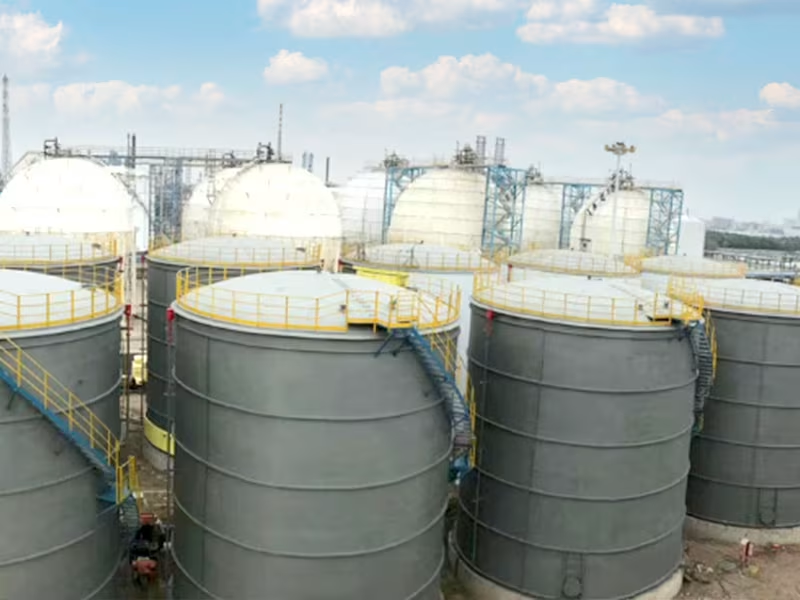
Прежде чем выбрать размер, форму или ценовой диапазон резервуара, покупатели должны сначала подтвердить химическую совместимость. равняется Химический резервуар для хранения Должно быть совместимо с жидкостью, которую она хранит. Даже высококачественный бак может выйти из строя, если материал не подходит для химиката.
Важные химические детали включают в себя:
- химическое название
- химическая концентрация
- Температура хранения
- удельный вес
- значение pH
- окислительные свойства
- воспламеняемость
- Внутреннее или наружное использование
- требуется ли смешивание или перемешивание
- Высвобождает ли химикаты газ или пар
Обычные химические вещества, хранящиеся в химических резервуарах, включают серную кислоту, соляную кислоту, гидроксид натрия, едкий натрий, гипохлорит натрия, фосфорную кислоту, жидкие удобрения, химикаты для очистки сточных вод, растворители и химические химикаты для очистки.
Например, резервуар для хранения гипохлорита натрия может потребовать внимания к защите от ультрафиолета и вентиляции. Накопитель серной кислоты может потребовать тщательной оценки концентрации, температуры и сопротивления материала. Каустическая сода требует совместимости материалов с щелочными химическими веществами.
Если покупатели не уверены в совместимости, они должны предоставить изготовителю подробную химическую информацию перед размещением заказа. Это позволяет производителю рекомендовать более безопасное и подходящий раствор для резервуара.
Как правильно выбрать емкость для хранения химикатов
Емкость резервуара влияет на стоимость, монтаж, поставку и эксплуатацию. Слишком малый резервуар может потребовать частой заправки и вызвать перебои в производстве. Слишком большой бак может увеличить стоимость покупки, занять ненужное место и создавать проблемы с обработкой.
При выборе емкости химического резервуара учитывайте:
- Ежедневное потребление химических веществ
- Частота доставки и заполнения
- Необходимый запас
- Ограничения места на сайте
- Планы расширения производства
- Химический срок хранения
- Потребности в чрезвы
- Местные требования безопасности
Для небольших применений дозирования может хватить компактного химического резервуара. Для водоочистных сооружений или химических объектов могут потребоваться резервуары большой емкости. Для сыпучих химических средств покупателям может потребоваться несколько резервуаров, соединенных с полной системой хранения и поставок.
Практический подход заключается в расчете среднесуточного использования, подтверждении частоты поставки, а затем в разумном резерве безопасности. Например, если в учреждении используется большое количество химикатов каждый день, а химические поставки доступны только еженедельно, может потребоваться более крупный резервуар.
Функции безопасности, которые следует учитывать
Безопасность является одной из самых больших проблем при хранении химических веществ. Химический резервуар должен быть спроектирован не только для удержания жидкости, но и для снижения операционных рисков.
вторичная локализация
Вторичная локализация используется для предотвращения распространения химических веществ в случае утечки. Этого можно добиться с помощью двойного емкости для хранения химикатов, резервуара для хранения, зоны складки или внешней системы защиты от разливов.
Для опасных или коррозионных химикатов особенно важно вторичное сдерживание. Он помогает защитить рабочих, оборудование, почву и близлежащие системы водоснабжения.
вентиляционная система
Некоторые химические вещества выделяют пары или газы во время хранения. Изменения температуры также могут вызывать изменения давления внутри резервуара. Правильная система вентиляции помогает снизить нарастание давления и поддерживает работу в безопасном баке.
Конструкция вентиляции должна соответствовать химическим свойствам и условиям эксплуатации. Для летучих или реактивных химикатов рекомендуется профессиональная рекомендация по дизайну.
Защита от переполнения
Переполнение может привести к разливам, загрязнению и рискам безопасности. В резервуарах для хранения химикатов могут использоваться индикаторы уровня, поплавковые выключатели, сигнализация, переливные соединения или системы автоматического отключения для предотвращения переполнения.
Для объектов с частыми химическими веществами, защита от переполнения является важной особенностью.
обнаружение утечки
Обнаружение утечек полезно для двойных цистерн и зон высокого риска. Это позволяет операторам выявлять проблемы на ранней стадии, прежде чем они станут более крупными.
УФ-защита
Наружные резервуары для химических накопителей подвергаются воздействию солнечного света, дождя, ветра и перепадов температуры. УФ-стойкие материалы или защитные покрытия могут помочь продлить срок службы и уменьшить старение.
коррозионная стой
Коррозионная стойкость необходима для химического хранения. Корпус резервуара, фитинги, клапаны, прокладки и трубные соединения должны быть совместимы с химическим веществом.
Корпус резервуара может быть химически стойким, но если фитинги не подходят, все равно может произойти утечка. Покупатели должны оценить всю систему хранения, а не только танковую оболочку.
Требования к установке химических резервуаров
Правильная установка так же важна, как и правильный выбор бака. Даже хорошо спроектированный резервуар для хранения химикатов может выйти из строя на ранней стадии при неправильном установке.
Подготовка сайта
Место установки должно быть ровным, стабильным и достаточно прочным, чтобы выдерживать полный вес резервуара. Помните, что вес хранимой жидкости может быть намного выше, чем вода, если химическое вещество имеет высокий удельный вес.
На площадке также должен обеспечиваться безопасный доступ для заполнения, технического обслуживания, проверки и экстренного обращения.
фундамент
Плоская и прочная фундамент помогает предотвратить концентрацию напряжений и деформацию резервуара. Бетонные фундаменты обычно используются для больших резервуаров. Для горизонтальных резервуаров важны правильно разработанные опорные седла.
Плохая конструкция фундамента может привести к неравномерному распределению нагрузки, что может привести к растрескиванию или разрушению конструкции со временем.
Внутренняя и наружная установка
Внутренние резервуары могут потребовать хорошей вентиляции, контроля разливов и доступа. Наружные резервуары могут потребовать устойчивости к ультрафиолетовому излучению, защиты от погодных условий, крепления и планирования дренажа.
Для наружных химических резервуаров для хранения химикатов, зона установки должна быть спроектирована таким образом, чтобы предотвратить накопление дождевой воды и обеспечить безопасную эксплуатацию в различных погодных условиях.
Соединения труб и фитинги
Фитинги резервуара должны быть тщательно подобраны. Обычные компоненты включают впуск резервуара, выпускной, сливной клапан, мануэй, фланцевое соединение, датчик уровня, вентиляционное соединение и переливное соединение.
Материал фитинга должен быть химически совместим с хранимой жидкостью. Неправильный выбор фитинга является частой причиной утечки.
Техническое обслуживание и осмотр
Регулярное техническое обслуживание помогает продлить срок службы резервуара для хранения химикатов и снижает риск непредвиденных сбоев. Техническое обслуживание должно планироваться на основе химического типа, материала резервуара, условий эксплуатации и среды установки.
В плане обычной проверки могут быть:
- Проверка состояния стены бака
- Ищу трещины, деформацию или отечность
- Проверка арматуры и клапанов
- Проверка на наличие утечек вокруг розеток и соединений
- Проверка фундамента
- Проверка признаков старения УФ
- Подтверждение состояния системы вентиляции
- Проверка оборудования уровня жидкости
- Проверка чистоты зоны содержания
- Проверка нагрузок и поддержки трубы
Очистка может потребоваться при замене химикатов, удалении остатков или подготовке к техническому обслуживанию. Процедуры очистки должны соответствовать химическим свойствам и требованиям безопасности. Операторы никогда не должны входить или чистить резервуар для хранения химикатов без надлежащих процедур и средств контроля безопасности.
Химический резервуар для хранения может потребовать ремонта или замены, если есть видимые трещины, повторная утечка, сильная коррозия, деформация, отказ фитинга или старение материала. Слишком долгое ожидание замены поврежденного бака может увеличить риск и стоимость.
Применение химических резервуаров для промышленности по промышленности
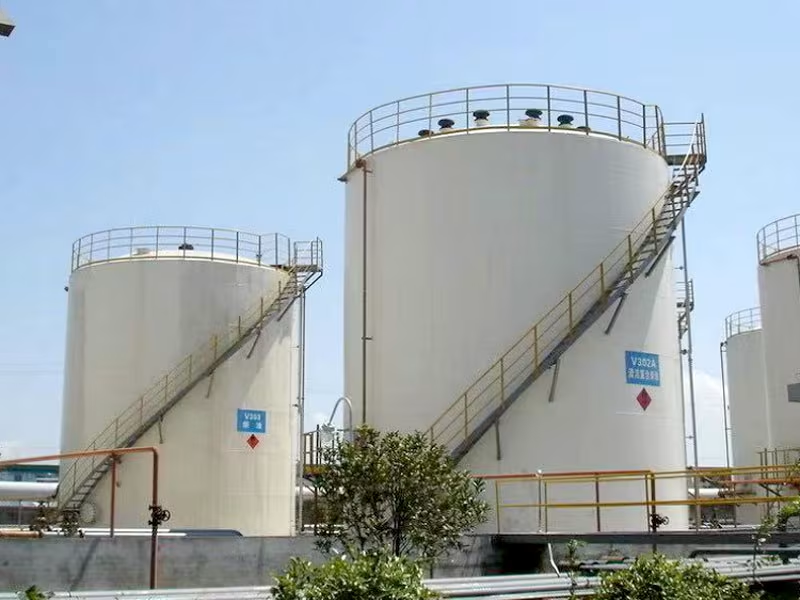
Разные отрасли используют Химические резервуары для хранения по-разному. Понимание приложения помогает покупателям выбрать правильную структуру, материал и аксессуары.
водоподготовка
Химический резервуар для хранения воды может хранить гипохлорит натрия, кислоту, щелочь, коагулянты, флокулянты или другие химические вещества. Эти резервуары часто связаны с дозирующими насосами и системами дозирования.
Ключевые требования включают коррозионную стойкость, точную подачу химикатов, безопасную заливку и простоту обслуживания.
очистка сточных вод
В очистных сооружениях часто используются химические резервуары для регулировки рН, очистки шламов, контроля запахов и химических осадков. Среда хранения может быть влажной и коррозионной, поэтому выбор материала важен.
химические заводы
Химические заводы обычно требуют резервуары для хранения большой емкости с высокой химической стойкостью, надежной арматурой и индивидуальной конструкцией. Возможно, потребуются такие функции, как вторичная защита, вентиляция, обнаружение утечек и защита от переполнения.
Сельское хозяйство и хранение
Сельскохозяйственные приложения могут включать жидкие удобрения, питательные вещества и сельскохозяйственные химикаты. Резервуары, используемые в этой отрасли, должны быть прочными, легко заполняющимися и пригодными для наружных условий.
горнодобывающая промышленно
В горнодобывающих предприятиях могут быть сохранены кислоты, щелочи, флотационные реагенты и химикаты для очистки воды. Резервуары, используемые в горнодобывающей среде, нуждаются в сильной коррозионной стойкости и долговечн.
Пищевая и фармацевтическая промышленность
Для пищевых и фармацевтических приложений могут потребоваться резервуары для хранения химикатов из нержавеющей стали или специально разработанные санитарные резервуары. Очищаемость, гладкие поверхности и безопасность материала являются важными факторами.
Индивидуальные решения для резервуаров для химических накопителей от производителя
Стандартные резервуары подходят для многих применений, но промышленные проекты часто требуют индивидуальных решений. Как производитель химических резервуаров, мы можем предоставить конструкции резервуаров, исходя из химических свойств, условий площадки, емкости хранения и требований процесса.
Варианты настройки могут включать:
- Емкость резервуара
- Диаметр и высота резервуара
- Вертикальная или горизонтальная структура
- Одностенная или двойная конструкция стены
- Выбор материала
- толщина стенки
- усиленная конструкция
- Пользовательские позиции впуска и выхода
- Размер фланца и тип соединения
- Дизайн манвеции
- градуировка
- сливной клапан
- вентиляционная система
- система смешивания
- отопление или изоляция
- УФ-защита
- Настройка цвета
- Стальная опорная рама
- Вторичный дизайн локализации
Настройка ценна, потому что у каждого объекта есть разные требования. Для проекта по обработке воды могут потребоваться дозирующие соединения. Химическому заводу могут потребоваться более крупные трубопроводы и специальная вентиляция. Для установки на открытом воздухе может потребоваться защита от ультрафиолета и крепление. Для химического высокого риска может потребоваться двойная конструкция стенки и обнаружение утечек.
Работа напрямую с производителем позволяет покупателям четко сообщать технические детали и получать решение для резервуаров, которое соответствует реальному проекту, вместо того, чтобы заставлять проект адаптироваться к стандартному резервуару.
Что влияет на стоимость бака для хранения химикатов?
Цена бака для хранения химикатов зависит от многих факторов. Покупатели часто запрашивают быструю цитату, но точная цена требует технических деталей.
Основные факторы стоимости включают в себя:
Тип материала
Полиэтилен, полиэтилен, ПЭ, ФРП, нержавеющая сталь, углеродистая и облицованная сталь имеют разные затраты на материалы. Лучший материал не всегда самый дорогой. Это тот, который соответствует химической и операционной среде.
Емкость резервуара
Большие резервуары требуют больше материала, более прочную структуру и более высокие транспортные расходы. Очень большие резервуары также могут потребовать специального подъема и планирования установки.
Толщина стенки и структура
Более толстая стена, усиленное тело, двойная конструкция стены или специальная подкладка увеличит стоимость. Однако эти функции могут быть необходимы для обеспечения безопасности и длительного срока службы.
Фурнитура и аксессуары
Клапаны, фланцы, мануары, датчики уровня, вентиляционные отверстия, смесители, системы отопления и специальные трубные соединения — все это влияет на окончательную цену.
индивидуальный дизайн
Индивидуальные размеры резервуара, нестандартные фитинги, специальные материалы или чертежи проекта могут усложнить производство.
Транспортировка и установка
Большим химическим резервуарам может потребоваться специальная упаковка, транспортировка, подъемное оборудование или поддержка установки площадки.
Самый дешевый танк не всегда лучший выбор. Недорогой резервуар, несовместимый с химическим веществом, может рано выйти из строя и создать более высокие затраты позже. Покупатели должны учитывать общую стоимость владения, включая срок службы, техническое обслуживание, риск замены и безопасность.
Как выбрать надежного производителя химикатов
Надежный производитель должен предложить больше, чем производственные мощности. Производитель должен понимать требования к хранению химических веществ и обеспечивать практическую техническую поддержку.
При оценке производителя химикатов для хранения необходимо учитывать следующие моменты:
опыт производства
Опытные производители понимают различные потребности отрасли и могут помочь покупателям избежать распространенных ошибок при выборе резервуаров.
Контроль качества материала
Качество сырья напрямую влияет на прочность резервуара, коррозионную стойкость и срок службы. Покупатели должны спросить о выборе материала и контроле качества.
Индивидуальные инженерные способности
Хороший производитель может предоставить индивидуальные чертежи, компоновки, рекомендации по толщине стены и конструкции резервуаров для конкретного проекта.
Производственная мощность
Для крупных заказов или закупок, основанных на проекте, важны производственные мощности и сроки поставки. Сильная фабрика может поддерживать пакетные заказы и стабильную поставку.
Процесс проверки
Проверка качества может включать проверку сырья, проверку размеров, проверку внешнего вида, проверку на утечку, проверку фитингов и проверку упаковки.
Техническая поддержка
Покупателям может понадобиться помощь в выборе материала, руководстве по установке, рекомендациям по техническому обслуживанию и настройке аксессуаров. Сильная техническая поддержка может снизить риск проекта.
Прямая поставка с завод
Работа непосредственно с фабрикой может повысить эффективность связи, снизить ненужные средние затраты и обеспечить более гибкую настройку.
Распространенные ошибки, которые покупатели должны избегать
покупка Химический резервуар для хранения Без достаточной технической оценки может привести к серьезным проблемам. Вот распространенные ошибки, которых покупатели должны избегать.
Выбор неправильного материала
Несовместимость материала является одной из наиболее распространенных причин поломки химических баков. Всегда подтверждайте название химического вещества, концентрацию и температуру перед выбором материала.
Игнорирование химической концентрации
Одно и то же химическое вещество может потребовать разных материалов для хранения в разных концентрациях. Резервуар, подходящий для разбавленной кислоты, может не подходить для концентрированной кислоты.
Не учитывая температуру
Температура может изменять химическую активность и производительность материала. Высокотемпературное хранение требует тщательного выбора материала.
Смотрю только по цене
Более дешевый бак может сэкономить деньги в начале, но позже, если он требует частого технического обслуживания или ранней замены.
Не смотря на условия установки
Перед производством следует учитывать размер резервуара, фундамент, трубопровод, доступ к площадке, вентиляцию и локализованные средства.
Забыть фурнитуру и аксессуары
Бак является частью системы хранения. Клапаны, фланцы, прокладки, вентиляционные отверстия и индикаторы уровня также должны быть совместимы с химическим веществом.
Покупка без консультации производителя
Профессиональная консультация может помочь покупателям выбрать правильный материал, структуру и аксессуары перед размещением заказа.
Рекомендуемый процесс выбора резервуара для хранения химика
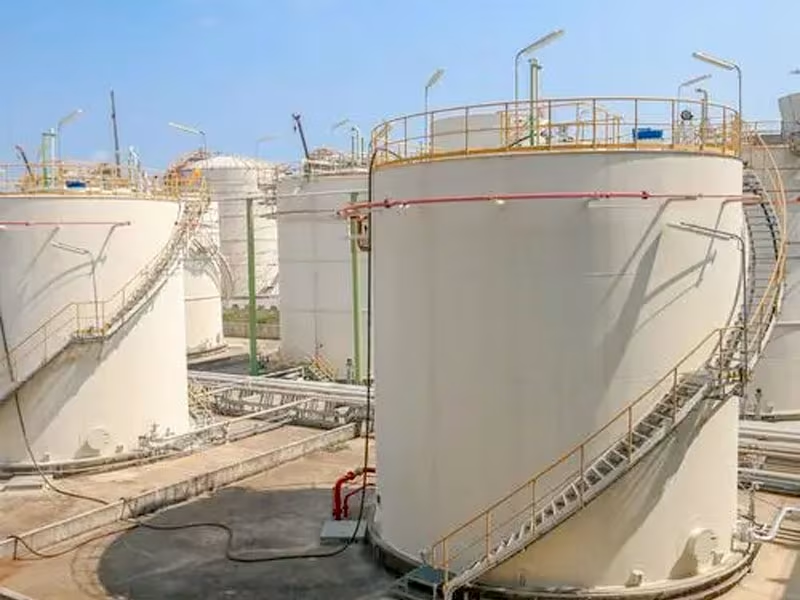
Четкий процесс отбора помогает покупателям принимать более взвешенные решения и избегать ненужных рисков.
Сначала подтвердите сохраненное химическое вещество. Укажите химическое название, концентрацию, температуру, плотность и объем хранения. Это основа выбора танка.
Во-вторых, выбирайте подходящий материал. На основе химической совместимости выбирайте полиэтилен, полиэтилена, HDPE, FRP, нержавеющую сталь, углеродистую или фасадную сталь.
В-третьих, определитесь со структурой танка. Выбирайте вертикальную, горизонтальную, однослойную, двойную стену, надземную или индивидуальную конструкцию в соответствии с местом установки и потребностями в безопасности.
В-четвертых, подтвердите емкость резервуара. Рассчитайте ежедневное потребление, цикл поставки, запасы и потребности в будущем расширении.
В-пятых, выберите функции безопасности. Рассмотрите вторичную защиту, вентиляцию, обнаружение утечек, защиту от переполнения, защиту от УФ-излучения и коррозионно-стойкие фитинги.
Шестое, обзорные чертежи и спецификации. Перед производством подтвердите размеры резервуара, положения фитингов, размеры соединений, аксессуары и требования к установке.
Наконец, работайте с профессионалом Химический резервуар для хранения производитель Производитель с возможностью инженерного и кастомизирующего оборудования может помочь вам снизить риск выбора и получить резервуар, который подходит для вашего объекта.
заключение
Правильный выбор резервуара для химических запасов необходим для безопасного, эффективного и экономичного хранения химических веществ. Правильный резервуар должен соответствовать хранимым химическим веществам, концентрации, температуре, емкости, требованиям к монтажу и безопасности. Покупатели не должны сосредотачиваться только на цене. Совместимость с материалами, структура резервуара, арматура, техническое обслуживание и долгосрочные характеристики не менее важны.
Для промышленных пользователей химическое вещество резервуар для хранения больше, чем контейнер. Это часть производственной и безопасности предприятия. Хорошо подобранный резервуар может снизить риск утечки, повысить эффективность работы, продлить срок службы и снизить затраты на техническое обслуживание.
Как профессиональный производитель химических резервуаров, мы можем предоставить стандартные и индивидуальные решения для очистки воды, очистки сточных вод, химической обработки, сельского хозяйства, добычи полезных ископаемых, пищевой промышленности, фармацевтической продукции и других промышленных применений. Если вам нужен полиэтиленовый бак для хранения химикатов, резервуар для хранения химикатов из нержавеющей стали, резервуар для хранения химикатов из нержавеющей стали, резервуар для хранения химикатов с двойной стенкой или полностью индивидуальный хранение, работа с опытным производителем поможет вам выбрать правильный продукт для вашего проекта.
При планировании следующего проекта по хранению химикатов начните с химических свойств, подтвердите правильный материал, ознакомьтесь с условиями монтажа и выберите производителя, который может обеспечить как надежную продукцию, так и техническую поддержку. Это лучший способ построить более безопасную и долговечную систему хранения химических веществ.
ЧАСТО ЗАДАВАЕМЫЕ ВОПРОСЫ
Для чего используется химический резервуар для хранения?
Химический резервуар используется для безопасного хранения промышленных химикатов, таких как кислоты, щелочи, растворители, жидкие удобрения, химикаты для очистки сточных вод и другие жидкие материалы. Он широко используется на химических заводах, в системах очистки воды, в сельском хозяйстве, в горнодобывающей промышленности, в пищевой промышленности и на производственных предприятиях.
Какой материал лучше всего подходит для химического резервуара?
Лучший материал зависит от хранимой химии, концентрации, температуры, удельной массы и установки. Общие материалы включают полиэтилен, полиэтилен, полиэтилен, FRP, нержавеющую сталь, углеродистую и фасадную сталь. Химическая совместимость всегда должна быть подтверждена до выбора.
Нужен ли двойной цистерна для хранения химикатов?
двойная стенка химиката резервуар для хранения Рекомендуется при хранении опасных, коррозионных или опасных химических веществ. Он обеспечивает дополнительную защиту от сдерживания и может помочь снизить риск утечки. Для некоторых проектов также может потребоваться внешнее вторичное сдерживание.
Сколько держится химический бак для хранения?
Срок службы зависит от материала резервуара, химической совместимости, условий эксплуатации, воздействия УФ-излучения, качества установки и обслуживания. Правильно подобранный и поддерживаемый химический резервуар может обеспечить стабильную длительную работу.
Как запросить предложение химического резервуара для хранения?
Чтобы запросить точную цитату, укажите химическое название, концентрацию, температуру, требуемую емкость, предпочтения в резервуаре, среду установки, требования к монтажу и любые индивидуальные потребности в проектировании. Чем больше деталей вы предоставите, тем точнее будет котировка.
Продолжить чтение
Shandong No.7 Construction Engineering Co., Ltd. - это крупномасштабное современное строительное предприятие, объединяющее НИОКР, проектирование, производство, строительство и генеральное заключение контрактов на стальные конструкции, бизнес которого охватывает как внутренний, так и международный рынки.