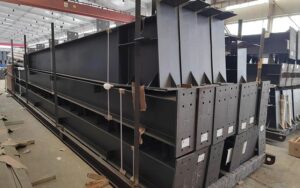
Steel Structure Quality Control: From Materials to Site Handover
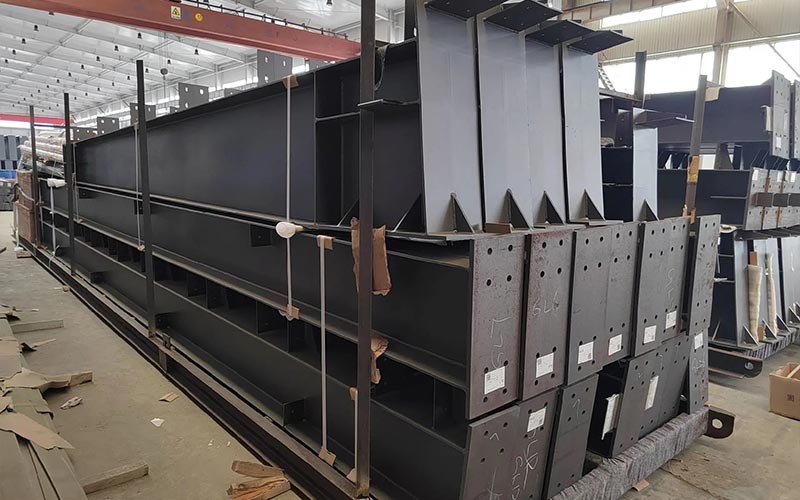
steel structure quality control requires more than a product choice or isolated calculation. Industrial owners need a coordinated process that connects operating requirements, structural behavior, building-envelope performance, construction access, inspection evidence, and long-term maintenance. Missing one of these interfaces can shift risk into fabrication or site work.
This practical guide explains how to plan steel structure quality control for a real industrial project. It provides decision criteria and coordination questions without inventing project data. Final design, safety controls, acceptance criteria, and regulatory compliance must be established by qualified professionals under the adopted local requirements.
Create the Inspection and Test Plan
For steel structure quality control, this stage should address Map specifications, codes, responsibilities, hold points, witness points, acceptance criteria, records, and release authority before production. Treat every assumption as a controlled input: name its source, responsible reviewer, units, revision, and effect on adjacent disciplines. The team should distinguish confirmed requirements from preliminary allowances so procurement and construction decisions are not based on silent guesses.
A useful review asks what can fail, how the condition will be measured, and who can approve a deviation. Apply the governing project documents and consult AISC structural steel standards where relevant. Connect the result to the site's Soluciones de estructura de acero. This makes steel structure quality control practical, traceable, and easier to maintain after handover.
Control Documents and Revisions
For steel structure quality control, this stage should address Use approved drawings, procedures, material lists, weld maps, bolt schedules, coating systems, requests for information, and revision distribution. Treat every assumption as a controlled input: name its source, responsible reviewer, units, revision, and effect on adjacent disciplines. The team should distinguish confirmed requirements from preliminary allowances so procurement and construction decisions are not based on silent guesses.
A useful review asks what can fail, how the condition will be measured, and who can approve a deviation. Apply the governing project documents and consult ASCE/SEI 7 load information where relevant. Connect the result to the site's steel building foundation design guide. This makes steel structure quality control practical, traceable, and easier to maintain after handover.
Verify Materials and Traceability
For steel structure quality control, this stage should address Check certificates, grades, sizes, heat identification where required, condition, storage, substitutions, consumables, bolts, and protective materials. Treat every assumption as a controlled input: name its source, responsible reviewer, units, revision, and effect on adjacent disciplines. The team should distinguish confirmed requirements from preliminary allowances so procurement and construction decisions are not based on silent guesses.
A useful review asks what can fail, how the condition will be measured, and who can approve a deviation. Apply the governing project documents and consult OSHA steel-erection guidance where relevant. Connect the result to the site's steel structure erection checklist. This makes steel structure quality control practical, traceable, and easier to maintain after handover.
Control Cutting Forming and Assembly
For steel structure quality control, this stage should address Inspect identification, orientation, dimensions, holes, edges, camber, fit-up, temporary attachments, distortion, and preparation before welding. Treat every assumption as a controlled input: name its source, responsible reviewer, units, revision, and effect on adjacent disciplines. The team should distinguish confirmed requirements from preliminary allowances so procurement and construction decisions are not based on silent guesses.
A useful review asks what can fail, how the condition will be measured, and who can approve a deviation. Apply the governing project documents and consult Whole Building Design Guide where relevant. Connect the result to the site's steel corrosion protection guide. This makes steel structure quality control practical, traceable, and easier to maintain after handover.
Manage Welding and Bolting
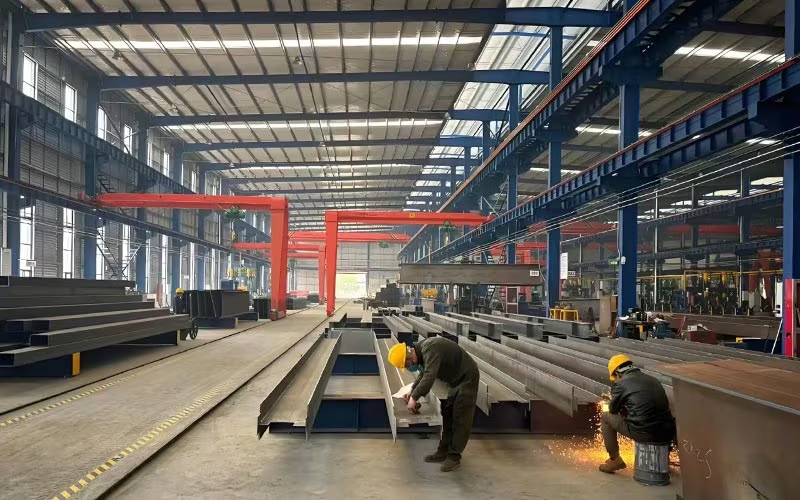
For steel structure quality control, this stage should address Confirm procedures, qualifications, consumables, preheat, environment, inspection, bolt assemblies, storage, installation method, tightening, and records. Treat every assumption as a controlled input: name its source, responsible reviewer, units, revision, and effect on adjacent disciplines. The team should distinguish confirmed requirements from preliminary allowances so procurement and construction decisions are not based on silent guesses.
A useful review asks what can fail, how the condition will be measured, and who can approve a deviation. Apply the governing project documents and consult AISC structural steel standards where relevant. Connect the result to the site's contact the project team. This makes steel structure quality control practical, traceable, and easier to maintain after handover.
Inspect Coatings and Fire Protection
For steel structure quality control, this stage should address Verify surface preparation, cleanliness, environmental conditions, thickness, curing, adhesion where required, damage repair, compatibility, and member identification. Treat every assumption as a controlled input: name its source, responsible reviewer, units, revision, and effect on adjacent disciplines. The team should distinguish confirmed requirements from preliminary allowances so procurement and construction decisions are not based on silent guesses.
A useful review asks what can fail, how the condition will be measured, and who can approve a deviation. Apply the governing project documents and consult ASCE/SEI 7 load information where relevant. Connect the result to the site's Soluciones de estructura de acero. This makes steel structure quality control practical, traceable, and easier to maintain after handover.
Control Erection and Geometry
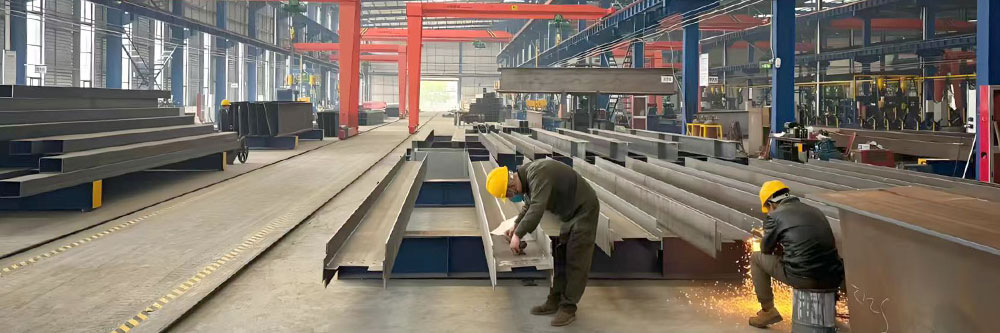
For steel structure quality control, this stage should address Review foundations, anchors, member condition, lifting damage, temporary stability, connections, alignment, surveys, field modifications, and touch-up. Treat every assumption as a controlled input: name its source, responsible reviewer, units, revision, and effect on adjacent disciplines. The team should distinguish confirmed requirements from preliminary allowances so procurement and construction decisions are not based on silent guesses.
A useful review asks what can fail, how the condition will be measured, and who can approve a deviation. Apply the governing project documents and consult OSHA steel-erection guidance where relevant. Connect the result to the site's steel building foundation design guide. This makes steel structure quality control practical, traceable, and easier to maintain after handover.
Close Nonconformities and Handover
For steel structure quality control, this stage should address Identify defects, contain affected work, obtain technical disposition, verify repair, preserve evidence, compile as-built records, and release completed scope. Treat every assumption as a controlled input: name its source, responsible reviewer, units, revision, and effect on adjacent disciplines. The team should distinguish confirmed requirements from preliminary allowances so procurement and construction decisions are not based on silent guesses.
A useful review asks what can fail, how the condition will be measured, and who can approve a deviation. Apply the governing project documents and consult Whole Building Design Guide where relevant. Connect the result to the site's steel structure erection checklist. This makes steel structure quality control practical, traceable, and easier to maintain after handover.
Decision Table
Use the following table to turn steel structure quality control into reviewable decisions rather than broad intentions.
| Decision area | Inputs to confirm | Evidence to retain |
|---|---|---|
| Create the Inspection and Test Plan | Map specifications, codes, responsibilities, hold points, witness points, acceptance criteria, records, and release authority before production. | Approved criteria, marked drawings, calculations or inspection records |
| Control Documents and Revisions | Use approved drawings, procedures, material lists, weld maps, bolt schedules, coating systems, requests for information, and revision distribution. | Approved criteria, marked drawings, calculations or inspection records |
| Verify Materials and Traceability | Check certificates, grades, sizes, heat identification where required, condition, storage, substitutions, consumables, bolts, and protective materials. | Approved criteria, marked drawings, calculations or inspection records |
| Control Cutting Forming and Assembly | Inspect identification, orientation, dimensions, holes, edges, camber, fit-up, temporary attachments, distortion, and preparation before welding. | Approved criteria, marked drawings, calculations or inspection records |
Frequently Asked Questions
What should be confirmed before work begins?
Confirm the approved scope, responsible parties, site and operating data, governing documents, interfaces, inspection points, and change process. steel structure quality control should not proceed from an unapproved verbal assumption.
Who should approve technical changes?
The contract and local rules should identify the qualified designer or responsible authority. Record the reason, technical assessment, approval, affected drawings, and verification within the steel structure quality control file.
How can buyers compare supplier proposals?
Issue the same criteria and require a compliance schedule covering inclusions, exclusions, assumptions, performance, documentation, delivery, inspection, and maintenance. Compare the full steel structure quality control scope rather than one quantity.
What records should be kept at handover?
Retain approved drawings, material and product data, inspection and test records, deviations, repairs, photographs, as-built information, operating restrictions, and maintenance instructions for steel structure quality control.
When should the plan be reviewed again?
Review after a design revision, operational change, damage, abnormal weather, new equipment, altered loading, material substitution, or unexpected site condition. Update steel structure quality control before affected work continues.
Turn the Plan Into a Controlled Project
Effective steel structure quality control links requirements, calculations, drawings, procurement, workmanship, inspections, deviations, and maintenance. Keep those decisions visible from design through handover, and update them when the building or its operations change.
Shandong No. 7 Construction can discuss structural-steel fabrication and project interfaces for industrial buildings. Review its Soluciones de estructura de acero and contact the project team with confirmed site data, drawings, performance requirements, and documentation expectations for steel structure quality control.
Continuar leyendo


Shandong No.7 Construction Engineering Co., Ltd. es una empresa de construcción moderna a gran escala que integra I+D, diseño, producción, construcción y contratación general de estructuras de acero, con negocios que cubren los mercados nacionales e internacionales.